
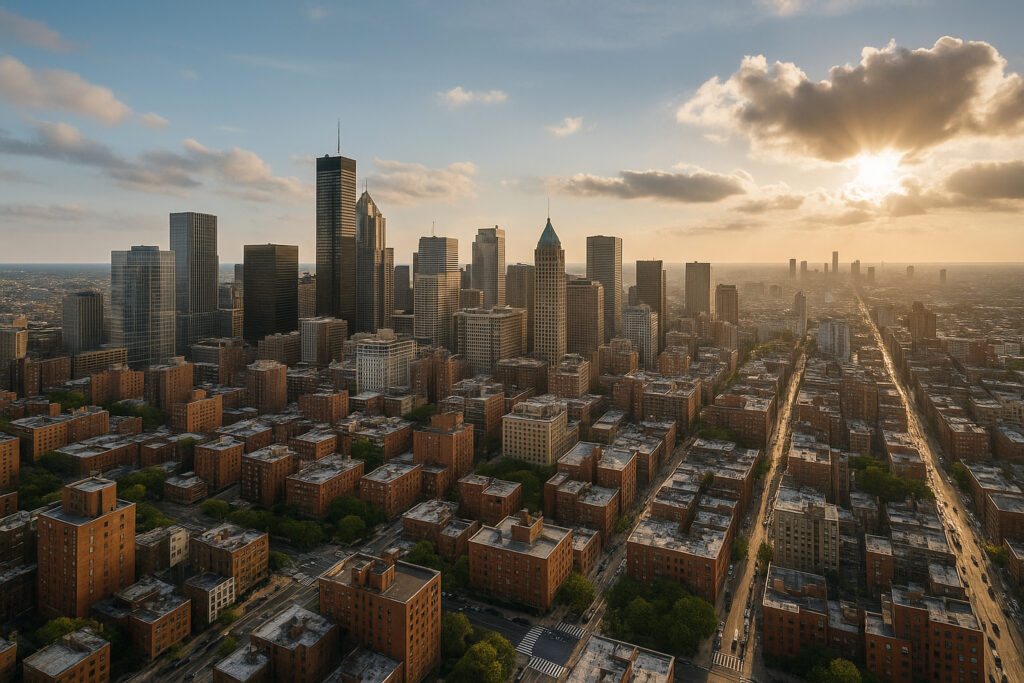
Cities have always been at the heart of human progress, serving as centers of trade, culture, innovation, and community. The journey from early settlements to the complex urban environments we see today reflects how societies have adapted to changing needs, technologies, and opportunities. Urbanization didn’t happen overnight—it evolved over thousands of years, shaping the way people live, work, and connect with one another. Exploring this evolution reveals the influence cities have had on civilization itself.
Early Settlements and the Birth of Community
The origins of cities can be traced back to early agricultural societies, where people first began settling in one place. As farming advanced, communities grew larger, and small villages slowly transformed into organized towns. These early centers allowed people to exchange goods, share ideas, and form social structures that created the foundation of urban life. The development of writing, trade routes, and shared governance often began in these early hubs.
Cities as Centers of Power and Culture
As civilizations expanded, cities became symbols of power and innovation. Ancient urban centers like Babylon, Rome, and Athens thrived as political, cultural, and economic capitals. They introduced concepts such as structured governance, marketplaces, and public infrastructure—ideas that continue to influence modern cities. Urban life encouraged creativity, leading to advancements in art, architecture, education, and technology. These achievements made cities essential to the growth of societies around the world.
Industrialization and Rapid Urban Growth
The Industrial Revolution dramatically changed the pace of urbanization. Factories, transportation systems, and new technologies drew people from rural areas into rapidly growing cities. This period marked a shift toward economic opportunity and mass production, reshaping how people lived and worked. While cities expanded quickly, they also faced challenges such as overcrowding, pollution, and infrastructure shortages. These issues pushed governments and planners to rethink design and improve living conditions.
Modern Urbanization and the Future of Cities
Today, cities are more interconnected and technologically advanced than ever before. Urban areas drive economic growth, foster innovation, and serve as cultural melting pots. Smart technology, improved transportation, and sustainable design are transforming cities into more efficient and livable spaces. As populations continue shifting toward urban life, modern cities must balance growth with environmental responsibility, community needs, and long-term planning.
Conclusion
The rise of cities is a story of human ingenuity and adaptation. From small settlements to global megacities, urbanization has shaped how societies evolve, interact, and thrive. As cities continue to innovate and confront new challenges, they will remain essential to building a connected and forward-looking future.