
Introduction
He practiced a form of public service that favored steady collaboration over spectacle. His work connected neighborhoods, municipal agencies, and informal networks in practical ways. Over decades he developed methods that prioritized durable relationships and practical tools. This piece examines how that approach shaped local institutions and everyday civic life.
Early life and influences
Born in modest circumstances, he learned the value of repair and incremental improvement from family workshops and community projects. Education and early apprenticeships exposed him to technical skills alongside civic philosophy. He absorbed ideas from local organizers and public servants, not from headline-making thinkers. Those early influences formed a pragmatic ethic: fix what is broken and teach others to keep it running.
He remained rooted in his neighborhood while building networks beyond it. That balance between local knowledge and outward connection became a hallmark of his career.
Public projects and methods
He favored small-scale interventions that multiplied through training and simple documentation. Projects often began with listening sessions, quick prototypes, and modest budget allocations. He insisted on transparency in process and on tools that could be maintained without specialized contractors. Over time these methods reduced waste, extended the life of infrastructure, and empowered residents to take stewardship roles.
Colleagues often noted his patience and attention to craft. The simplicity of his approach made adoption easier across departments and groups.
Community partnerships and mentorship
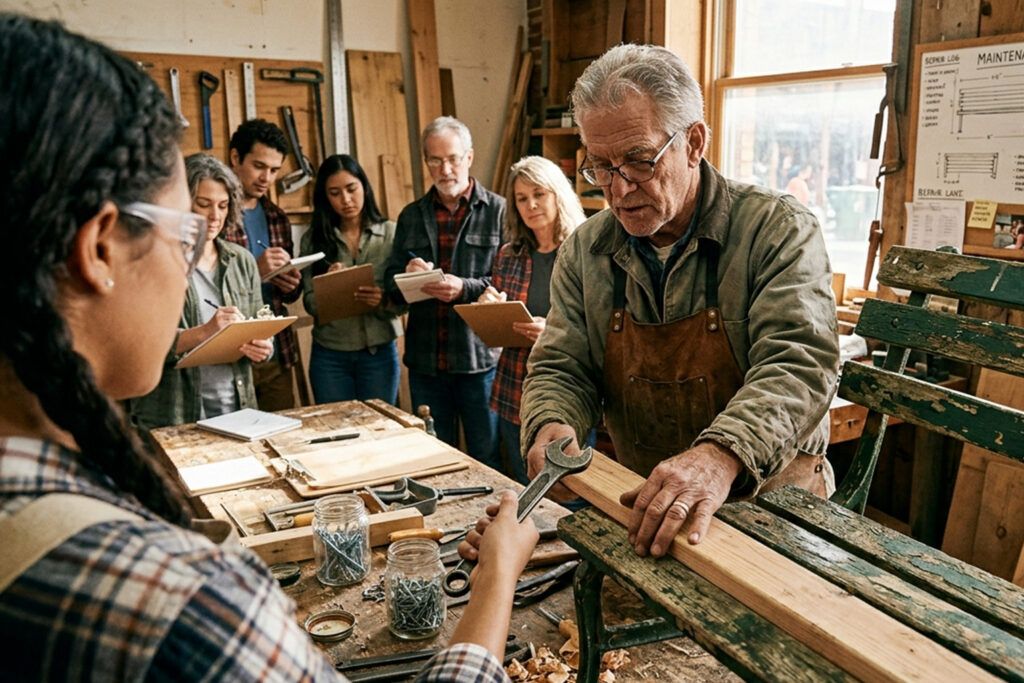
He built partnerships with schools, libraries, and small businesses to create shared maintenance practices. Mentorship was literal: apprentices learned tool repair, record-keeping, and negotiation at his side. He treated networks as infrastructure, nurturing routines that outlived individual projects. These efforts created a dense web of mutual aid and professionalized informal skills.
Communities gained practical capacity and a shared language for upkeep. His mentorship seeded future leaders who continued the work in different roles.
Legacy and lessons
Measuring his legacy requires looking beyond headline metrics to sustained civic routines. The improved longevity of public assets and the presence of local expertise are tangible signs of success. Equally important are the norms he established: cooperation, incrementalism, and transparency. These lessons offer a counterpoint to fast-moving reform agendas that prioritize scale over durability.
Historians and practitioners can learn from his attention to maintenance and relationships. His example reminds us that small, sustained acts can reshape institutions over decades.
Conclusion
His career is a study in pragmatic civic repair that prioritized people and process. The techniques he developed are adaptable, low-cost, and durable when communities embrace them. Recognizing and replicating such models could yield better outcomes for public life.