
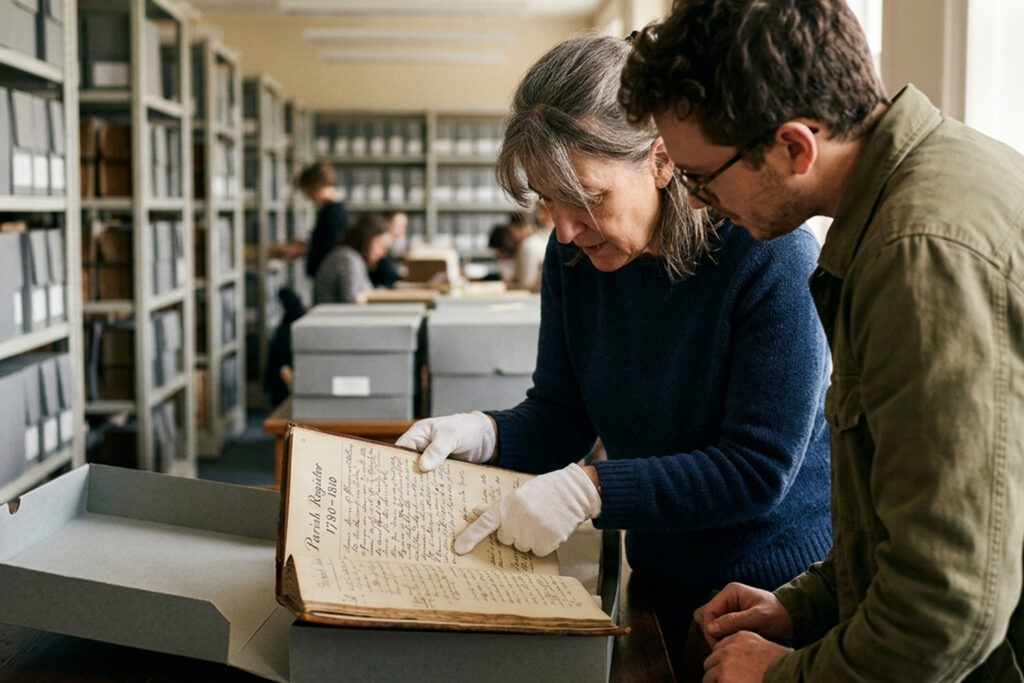
The life of this overlooked scholar charts how careful stewardship of records can reshape collective memory and institutional practice. Born into modest circumstances, they developed an early fascination with documents, catalogues, and the stories those items could tell beyond official narratives. Their work combined meticulous archival practice with a commitment to access, arguing that transparency alters how societies remember. This introduction outlines the arc of a career that turned preservation into a form of public service.
Across a long career they bridged scholarly rigour and civic responsibility. The following sections trace formative influences, professional milestones, intellectual methods, and enduring impact.
Early Life and Formative Years
Raised in a community where local history was preserved largely by families and informal custodians, the scholar learned that archives are as much social as material. Early apprenticeships in regional repositories taught practical skills—conservation, cataloguing, and the ethics of handling sensitive materials. These experiences instilled a belief that records should serve the living public as well as researchers. Mentors encouraged a synthesis of historical curiosity with public-minded work.
Those years shaped a durable conviction: that access transforms memory into shared heritage. This foundational period informed choices made during later institutional roles.
Public Career and Institutional Reform
Entering public service, the scholar prioritized modernizing collections and broadening access without compromising preservation. They advocated digitization, community outreach, and partnerships between repositories and civic organizations to make records meaningful beyond academic circles. Their tenure featured practical reforms that balanced conservation with usability. Colleagues recall an insistence on clear policies and thoughtful resource allocation.
- Implemented standardized cataloguing to improve discoverability.
- Established public reading rooms and community programs.
- Pioneered cooperative agreements between local archives and schools.
These initiatives demonstrably increased public engagement with the past. They also set precedents adopted by other institutions seeking similar balances.
Method and Intellectual Contributions
Methodologically, the scholar combined close reading of documents with attention to provenance and context, emphasizing what records reveal about power, everyday life, and institutional decision-making. Their writings argued for interpretive humility: archives hold partial truths that require careful framing and community dialogue. They advanced techniques for inclusive description, ensuring marginalized voices could be identified through cataloguing practices. Their approach influenced training programs and professional standards.
By reframing archival work as interpretive and civic rather than merely preservational, they helped reshape professional discourse. This intellectual stance underlies much of their lasting influence.
Legacy and Commemoration
The scholar’s influence persists in the networks of repositories that adopted their policies and in a generation of professionals trained under their guidance. Exhibitions, digital collections, and community partnerships continue to reflect priorities they championed: accessibility, context, and shared stewardship. Institutions remember them through named fellowships and ongoing curricular changes in archival education. Their legacy is alive in practices that make history visible and usable.
Recognition has been gradual but substantive, rooted in practical improvements and cultural shifts. Their career offers a model for how technical expertise can serve broader democratic aims.
Conclusion
The scholar transformed archival practice into an act of public service through practical reforms and thoughtful interpretation. Their work reminds us that how records are curated affects collective memory and civic life. Sustained attention to access, context, and collaboration remains their most important lesson.