
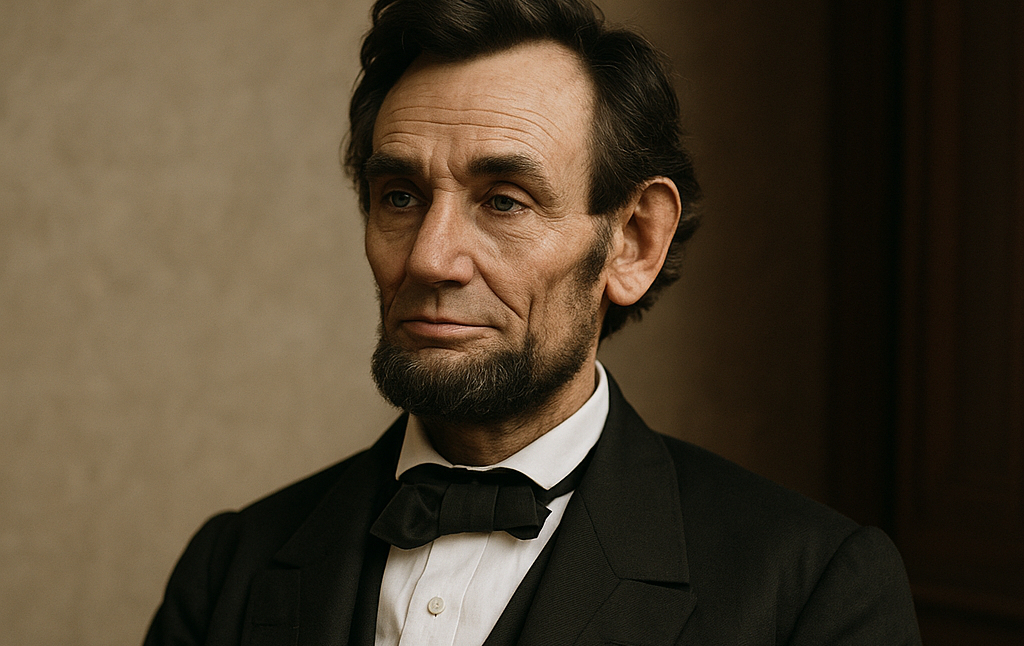
Abraham Lincoln remains one of the most respected leaders in history, remembered not only for guiding a nation through civil war but for doing so with integrity, humility, and unwavering purpose. His leadership continues to inspire modern thinkers, professionals, and public servants because it reflects qualities that remain essential in today’s complex world. Lincoln showed that true leadership is not about power — it’s about character, clarity, and compassion.
From humble beginnings to the presidency, Lincoln demonstrated how resilience and vision can shape a leader’s journey. His ability to stay grounded while making monumental decisions has made his legacy a lasting blueprint for effective leadership.
Leading Through Crisis With Resolve
Lincoln’s presidency was marked by one of the most turbulent periods in American history. His calm but firm resolve helped preserve the nation during its deepest division. One of Lincoln’s greatest lessons is the importance of steady leadership during uncertainty. He made tough decisions while maintaining focus on long-term unity rather than short-term approval.
Commitment to Moral Principles
Lincoln believed deeply in justice, equality, and human dignity. His leadership emphasized doing what was right, even when the path was difficult. The Emancipation Proclamation symbolized not only political strategy but a moral stance. Modern leaders can learn from Lincoln’s example of aligning actions with values — allowing principles to guide decisions rather than convenience.
Humility Paired With Strength
Despite holding immense responsibility, Lincoln remained humble and approachable. He openly sought advice, welcomed differing viewpoints, and admitted when he was wrong. This blend of humility and strength helped him build trust among allies and even opponents. Today, this lesson highlights the value of listening, openness, and emotional intelligence in leadership.
The Power of Communication
Lincoln’s speeches are remembered not just for their eloquence but for their clarity and emotional depth. From the Gettysburg Address to his letters and public messages, he communicated vision in a way that inspired unity and purpose. Strong communication remains a cornerstone of leadership — the ability to articulate ideas that motivate and guide others.
Perseverance Against All Odds
Lincoln faced repeated setbacks throughout his life — personal losses, political defeats, and national crisis. Yet he persevered through each challenge with determination. His story reminds leaders that resilience is not about avoiding obstacles but confronting them with courage and consistency.
Conclusion
Abraham Lincoln’s legacy offers timeless lessons in leadership. His moral clarity, resilience, humility, and powerful communication shaped a nation and continue to influence leaders worldwide. His example shows that true leadership is measured not by authority, but by character and the positive impact one leaves behind.