
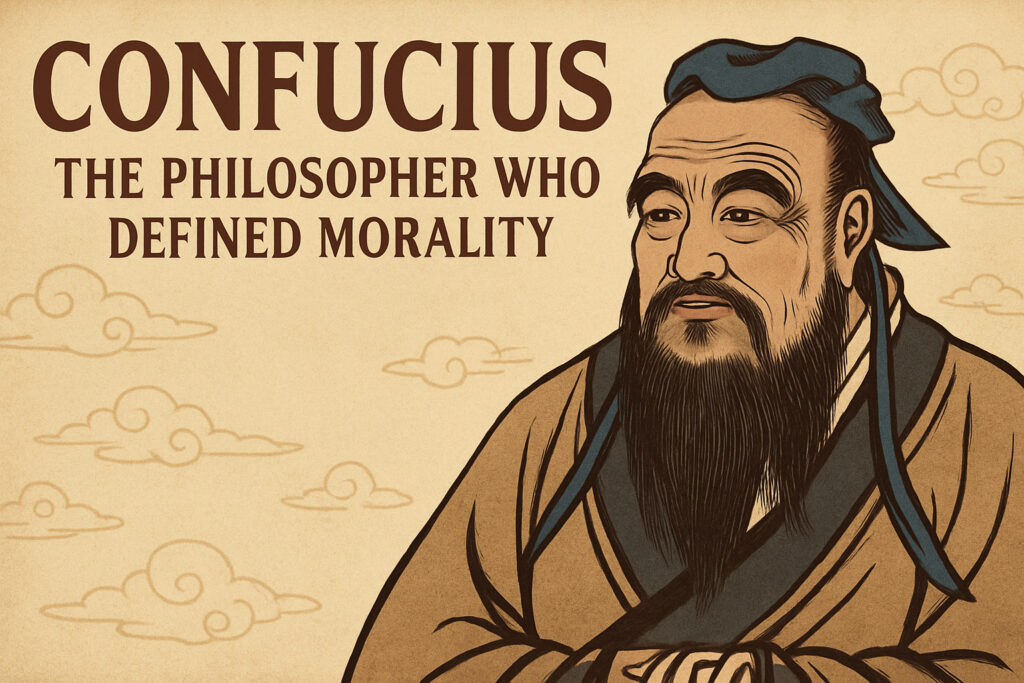
Confucius remains one of history’s most influential thinkers, a philosopher whose teachings shaped cultures, ethics, and governance for thousands of years. His wisdom continues to resonate today because it explores universal human values—respect, responsibility, empathy, discipline, and harmony. In a world that constantly evolves, the moral framework he built still offers timeless guidance on how people can live meaningful, ethical, and balanced lives.
The Life and Legacy of a Moral Visionary
Confucius was born in 551 BCE in what is now China’s Shandong province. Raised in modest circumstances, he dedicated his life to learning, teaching, and serving society. He believed that moral behavior—not wealth, status, or power—defined a truly great person. His teachings stressed that individuals shape the world around them through their actions, attitudes, and self-discipline. After his death, his students compiled his words into The Analects, a foundational text of Confucian thought that continues to inspire millions.
The Core Principles That Shaped Civilizations
At the heart of Confucius’s philosophy is the idea of ren, often translated as “humaneness” or “benevolence.” He believed that society thrives when people treat each other with kindness, empathy, and respect. Another key concept is li, the practice of proper conduct—behaving with dignity, honoring traditions, and fulfilling one’s responsibilities.
His teachings also emphasized filial piety, or the respect children owe to parents and elders. This wasn’t just about obedience but about preserving family harmony and building strong moral character. Confucius believed that a virtuous society begins with a virtuous family, making his ideas especially influential in cultures where family bonds remain deeply valued.
Confucius’s Impact on Leadership and Governance
Confucius didn’t only focus on personal morality; he also transformed political philosophy. He argued that good leaders rule through virtue rather than force. A leader, he said, should inspire trust, act with fairness, and be committed to serving the people—not controlling them. This concept of ethical leadership influenced governments and educational systems across Asia and still shapes modern leadership models around the world.
His belief that education can elevate individuals and societies also set a foundation for merit-based advancement. Rather than inheriting power, individuals should earn it through knowledge, integrity, and service.
Why Confucius Still Matters Today
In our fast-paced, technology-driven world, Confucius’s teachings offer something deeply needed—clarity and grounding. His philosophy reminds us of that emotional intelligence, respect, empathy, and discipline are core elements of a healthy society. Whether applied in families, workplaces, or communities, his principles provide a framework for better decision-making and more meaningful relationships.
Conclusion
Confucius wasn’t just a philosopher; he was a moral architect whose ideas helped define what it means to live a good life. His teachings continue to inspire people seeking purpose, wisdom, and harmony in a world that often feels fragmented. More than 2,500 years later, Confucius remains a guiding light for anyone striving to build a more compassionate and principled life.