
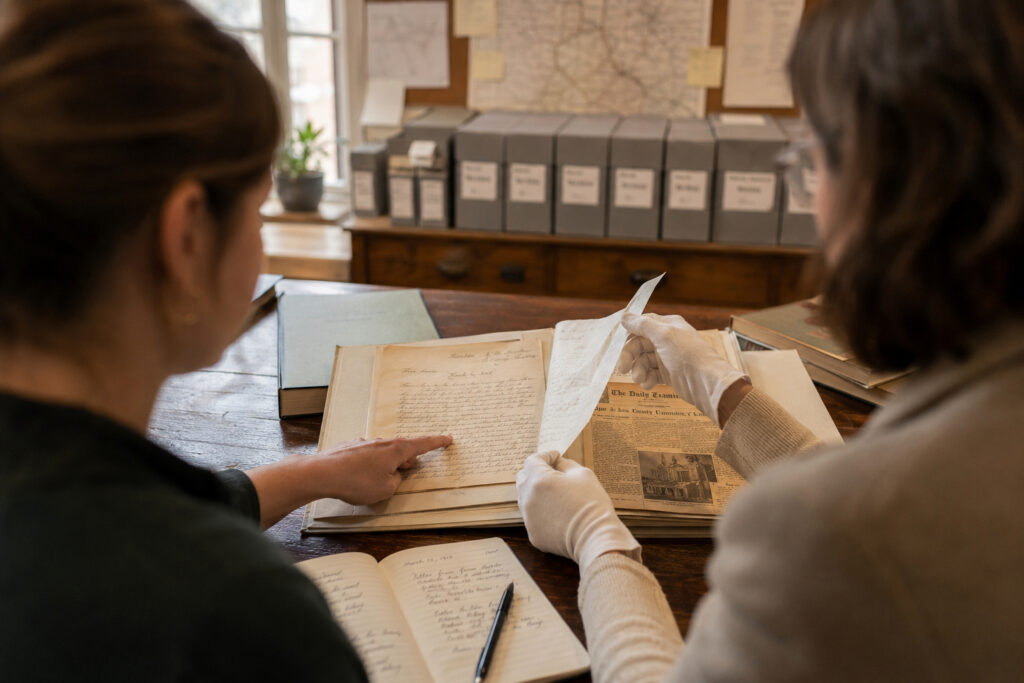
Biography is a craft that moves between fragments and interpretation.
Every document, letter, or record is a doorway to someone’s choices and constraints.
This guide offers practical steps for turning sparse materials into nuanced short biographies.
It emphasizes ethical sourcing, contextual reading, and transparent storytelling.
Assessing Sources and Gaps
Start by mapping the available sources: official records, personal papers, newspapers, and oral accounts. Note provenance, date, and the circumstances of creation to assess reliability and perspective. Record what is absent as carefully as what is present, because gaps shape the questions you ask. Treat each source as both evidence and a voice to be situated within a broader context.
A clear inventory prevents overclaiming and highlights where interpretive caution is needed. It also guides targeted research to fill crucial lacunae.
Contextualizing a Life
Context turns isolated facts into meaningful actions by connecting a person’s choices to the social, economic, and cultural structures of their time. Look for patterns in employment, family networks, mobility, and affiliations that link an individual to larger processes. Use secondary literature to frame likely pressures and opportunities without importing anachronistic assumptions. Where possible, trace contemporaries’ experiences to test whether a detail was typical or exceptional.
Contextualization deepens empathy while limiting conjecture. It also helps readers grasp why particular decisions mattered.
Balancing Narrative and Evidence
Crafting a narrative requires restraint: prioritize evidence-backed arcs over tidy moral lines. Let episodes illustrate recurring themes rather than forcing causality where none is documented. When speculation is necessary, label it clearly and offer alternative readings. Use direct quotes or documented incidents to anchor subjective assessments. Maintain a balance between readable prose and scholarly rigor.
These choices preserve credibility and keep the subject’s complexity visible. They also respect the reader’s ability to engage with uncertainty.
Working with Oral Histories and Memory
Oral histories and memory sources bring invaluable perspective but require careful handling. Treat interviews as interpretive testimonies shaped by time, emotion, and audience, and corroborate details when possible. Pay attention to silences and inconsistencies as clues rather than flaws, and record the interview context, consent, and methods. Transcribe accurately, note paralinguistic features when relevant, and preserve originals to support future re-examination. Integrating memory responsibly can humanize a portrait while acknowledging the limits of recall.
Use quotations sparingly and provide summaries where reliability is uncertain. Clear documentation preserves ethical standards and supports future researchers.
Conclusion
Summing up, careful biography combines meticulous sourcing with measured storytelling.
By mapping evidence, situating lives, and flagging uncertainty, writers produce trustworthy portraits.
The result is brief lives that feel both credible and human.