
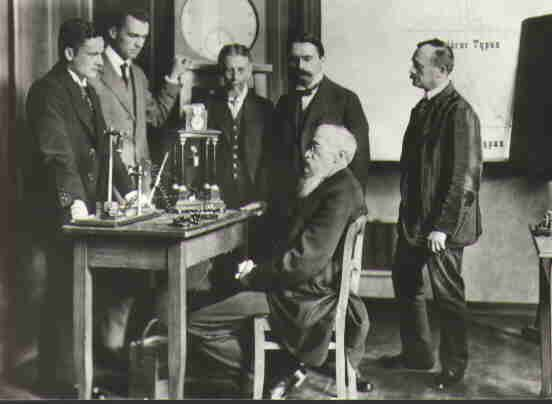
Sigmund Freud remains one of the most influential and controversial figures in the history of psychology. At a time when the human mind was largely unexplored territory, Freud dared to suggest that much of our behavior is driven by hidden forces beneath conscious awareness. His ideas reshaped how people think about personality, memory, dreams, and emotional conflict. Whether praised or challenged, Freud’s work permanently changed conversations about mental life. He mapped the mind not as a simple structure, but as a complex, layered system shaped by desire, fear, and experience.
The Birth of Psychoanalysis
Freud introduced psychoanalysis as both a theory of the mind and a method of treatment. He believed that unresolved conflicts, often rooted in early childhood, could influence adult behavior and emotional distress. By encouraging patients to speak freely, Freud aimed to uncover unconscious thoughts that shaped symptoms such as anxiety or depression. This approach was revolutionary, shifting focus from purely physical explanations of illness to psychological causes. It laid the foundation for modern talk therapy.
The Unconscious Mind and Inner Conflict
One of Freud’s most enduring contributions was the idea of the unconscious mind. He proposed that thoughts, urges, and memories outside conscious awareness still influence actions and decisions. To explain this dynamic, Freud introduced the structural model of the mind: the id, ego, and superego. These elements represent instinctual desire, rational control, and moral judgment, constantly negotiating with one another. This framework helped explain inner conflict as a normal part of being human.
Dreams, Symbols, and Meaning
Freud viewed dreams as a window into the unconscious. He argued that dreams express hidden wishes and unresolved tensions through symbolic imagery. While many of his interpretations have been debated, the idea that dreams carry psychological meaning captured public imagination. Freud’s work encouraged people to look beyond surface behavior and consider deeper emotional narratives shaping their inner lives.
Influence Beyond Psychology
Freud’s ideas extended far beyond clinical psychology. Literature, art, film, and cultural theory all absorbed psychoanalytic concepts, influencing how stories explore motivation, identity, and trauma. Even critics of Freud acknowledge that he expanded how society talks about the self. His theories sparked debate, refinement, and alternative approaches that continue to shape mental health fields today.
Conclusion
Sigmund Freud mapped the mind by revealing its hidden depths and contradictions. While his theories remain debated, his impact is undeniable. By bringing the unconscious into public awareness, Freud transformed how humanity understands thought, behavior, and emotion.