
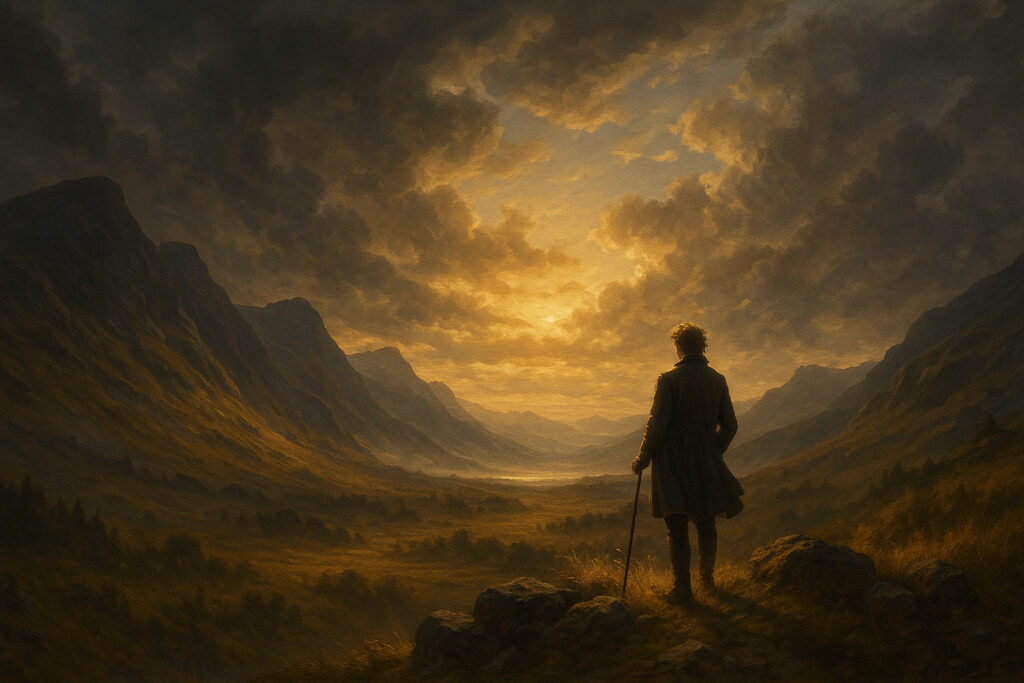
The Romantic Era marked a dramatic shift in the way artists, writers, and thinkers understood the world. Instead of relying on logic, structure, and rational analysis, Romanticism celebrated emotion, imagination, and the power of the human spirit. It emerged as a response to the rigid rules of the Enlightenment, offering a passionate countermovement that valued individuality, intuition, and the beauty of nature. This period reshaped creative expression and left a lasting impact on literature, music, and art.
Romantics believed that true understanding came from feeling rather than calculation. This passionate worldview encouraged people to explore their inner lives and see the world through a more personal, soulful lens.
Emotion as the Window to Truth
Where Enlightenment thinkers prized logic, Romantics saw emotion as a vital source of truth. Feelings such as love, longing, awe, and melancholy were viewed as powerful forces that shaped human experience. Writers and artists expressed these emotions boldly, helping audiences connect deeply with their own inner landscapes.
The Power of Imagination
Imagination became a hallmark of Romanticism. Instead of depicting life exactly as it was, artists reimagined it in symbolic, dramatic, and dreamlike ways. This creative freedom allowed them to explore fantasy, mythology, and the mysterious elements of life. Imagination had not escaped — it was insight.
Nature as Inspiration
Romantics saw nature as a reflection of human emotion — wild, beautiful, and untamed. Mountains, storms, forests, and rivers appeared throughout Romantic works, symbolizing both inner turmoil and peace. Nature became a spiritual guide, offering inspiration and reminding people of their connection to something greater.
Individuality and Rebellion
The Romantic Era celebrated the individual voice. Artists rejected strict rules and conventions, choosing instead to explore personal expression and creative independence. This spirit of rebellion helped shape modern ideas of artistic freedom, encouraging people to trust their instincts and embrace authenticity.
Conclusion
The Romantic Era forever changed the way people viewed creativity and humanity. By elevating emotion over reason, it encouraged deeper self-reflection, artistic exploration, and a renewed appreciation for the natural world. Its legacy lives on today, reminding us that logic explains the world — but emotion helps us truly feel it.