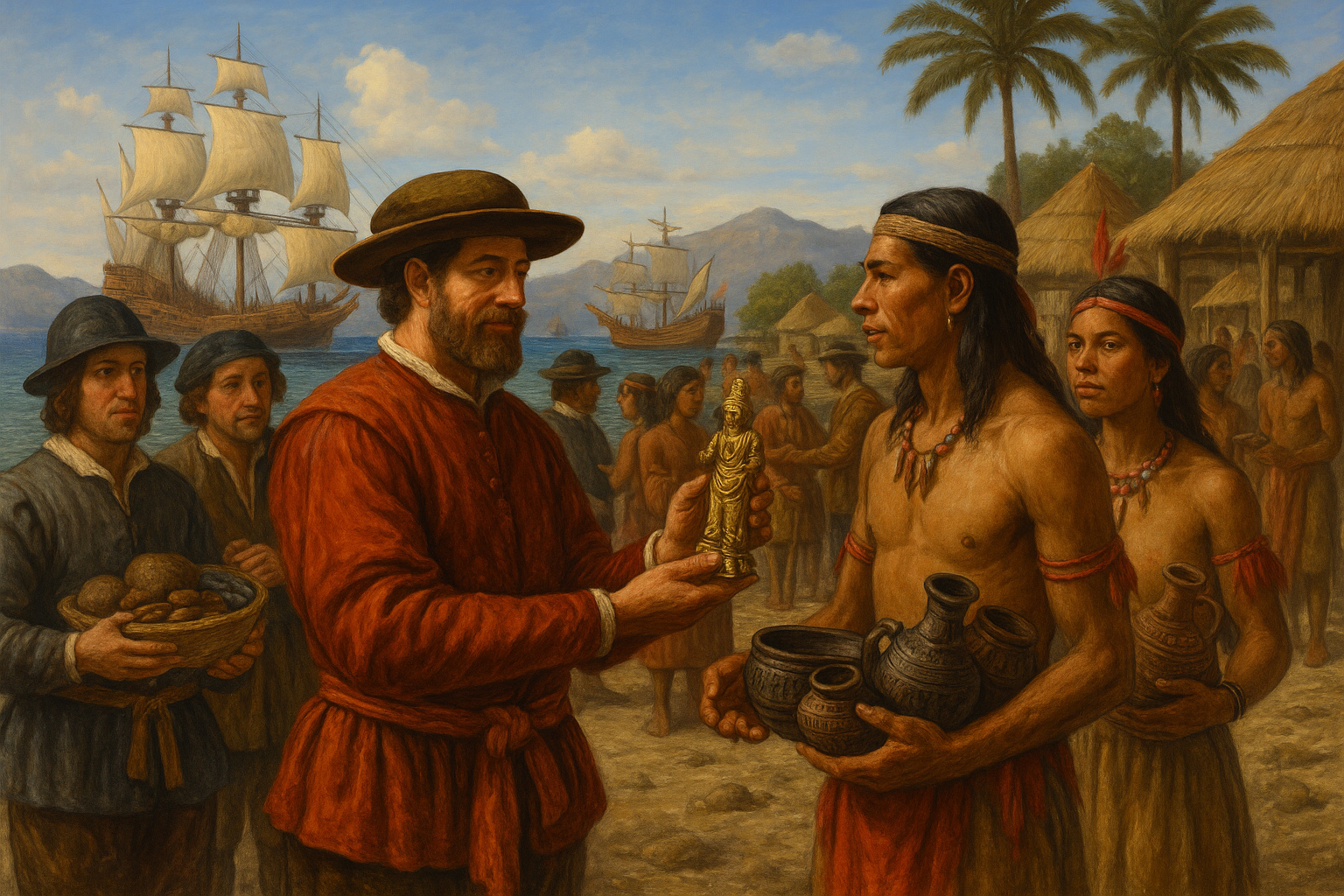
The Age of Colonization was one of the most transformative—and complex—periods in global history. Spanning roughly from the 15th to the 19th century, this era saw European powers explore new territories, establish overseas colonies, and reshape global interactions. While colonization often brought exploitation, conflict, and cultural disruption, it also created channels for widespread cultural exchange, technological transfer, and the blending of traditions across continents. The legacy of this period remains deeply woven into modern societies.
A New Era of Global Exploration
The Age of Colonization began with ambitious voyages by explorers seeking new trade routes and resources. Advances in navigation, shipbuilding, and cartography made long-distance travel possible, connecting continents that had rarely interacted before. These early expeditions laid the groundwork for global trade networks that introduced new goods, ideas, and technologies to distant lands.
The movement of people—explorers, traders, settlers, and enslaved individuals—reshaped population patterns. Ports became centers of cultural variety, where languages mixed and new communities emerged.
Cultural Exchange: A Two-Way Impact
Despite the unequal power dynamics of colonization, cultural exchange flowed in multiple directions. Foods such as tomatoes, potatoes, maize, chocolate, spices, and coffee moved across continents, permanently altering global diets. Clothing styles, artistic traditions, and architectural influences crossed borders, leaving lasting imprints on both colonizers and the colonized.
Religious ideas spread widely, sometimes through peaceful conversion and sometimes through force. Missionaries carried beliefs to new regions, while indigenous cultures influenced spiritual practices brought from Europe. Language exchange also played a major role, with European languages becoming dominant in many areas, while native words and expressions entered global vocabularies.
The Cost of Expansion
Alongside exchange came devastating consequences. Colonization resulted in the displacement of indigenous communities, suppression of cultures, and widespread exploitation of natural resources and labor. The transatlantic slave trade remains one of the darkest chapters of this period, shaping economic systems while inflicting deep human suffering.
The introduction of foreign diseases had catastrophic effects on populations with no immunity, altering demographic landscapes. These impacts still influence global inequalities, political borders, and cultural identities today.
A Legacy That Still Shapes the World
The Age of Colonization set the stage for globalization, connecting the world through trade, communication, and shared cultural practices. Modern cuisine, language, clothing, and technology all reflect centuries of cultural blending sparked during this era.
At the same time, movements for independence, social justice, and cultural restoration continue to respond to the inequalities created during colonization. Understanding both the exchanges and the consequences helps us see how interconnected—and how historically shaped—the modern world truly is.
Conclusion
The Age of Colonization and Cultural Exchange was a period of profound transformation. It brought new connections, global trade, and cultural blending, but also conflict, inequality, and loss. Its influence continues to shape today’s societies, reminding us that history is a combination of shared experiences, enduring legacies, and lessons that guide us toward a more thoughtful and inclusive future.