
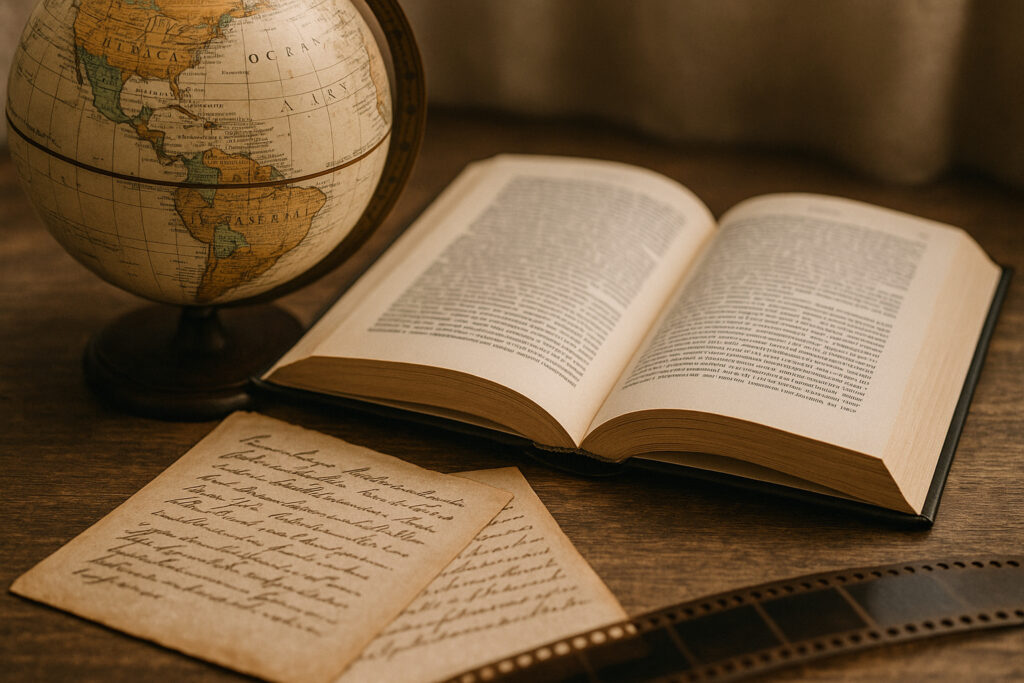
Language is one of humanity’s greatest creations—a living, changing system that reflects who we are and how we have evolved. As societies grow, migrate, innovate, and interact, their languages transform alongside them. Each shift in vocabulary, grammar, and expression tells a story about culture, technology, conflict, and connection. By tracing how language evolves, we gain a deeper understanding of human history itself.
The journey of language is the journey of people—shaped by survival, creativity, and the desire to communicate across generations.
Language as a Record of Migration and Cultural Exchange
When groups move, trade, or blend cultures, their languages absorb new words and structures. This is why modern languages are rich mosaics shaped by interactions across borders. Borrowed words, blended dialects, and shared expressions reveal centuries of migration and cultural contact. Through these linguistic traces, we can map ancient travel routes, trade networks, and the blending of civilizations.
How Technology Accelerates Linguistic Change
Every major technological shift triggers a wave of new language. The invention of writing preserved early human stories, allowing cultures to record knowledge and build shared identities. The printing press standardized spelling and grammar, creating unified languages across regions. Today, digital communication reshapes how we write, speak, and even form new words. Emojis, abbreviations, and internet slang represent another chapter in how technology pushes language forward.
Conflict, Power, and the Shaping of Speech
Empires, colonization, and political movements have all influenced which languages spread, which faded, and which adapted to survive. When nations rise and fall, their languages shift accordingly. Some languages gained global influence, while others maintained local identity or reemerged through cultural revival. These patterns reflect human struggles, resilience, and the power dynamics that shaped world history.
Language as a Mirror of Social Change
As societies evolve, their values and social norms shape the words they use. New terms emerge to reflect changing attitudes toward identity, culture, technology, and community. Inclusive language, evolving definitions, and shifts in tone all reveal how people rethink their relationships with one another. Language adapts to express new ideas as humans broaden their understanding of the world.
Conclusion
The evolution of language is inseparable from the evolution of humanity. Each transformation—whether born from migration, technology, conflict, or cultural growth—reveals a chapter of our collective story. By studying how language changes, we learn how people lived, connected, and imagined their world across centuries.