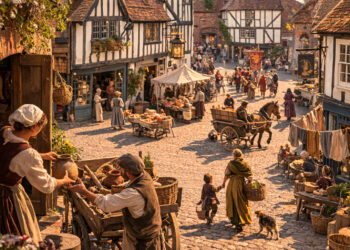
Seasonal festivals have long structured the economic and social lives of small towns, marking times of abundance, scarcity, and exchange.
These events knit together producers, merchants, and residents into predictable rhythms that shaped trade, labor, and consumption.
Beyond spectacle, festival calendars often timed fairs, harvest markets, and craft sales that sustained local economies across the year.
Understanding these rhythms reveals how communities coordinated work, leisure, and civic identity over generations.
Festival Calendars and Market Cycles
Communities organized annual cycles around agricultural milestones and religious observances, and these calendars created reliable spikes in demand that merchants anticipated. Farmers timed preservation, slaughtering, and transport so that goods arrived at fairs when buyers congregated, while itinerant traders planned routes around known festival dates. Seasonal labor also followed these rhythms: extra hands were hired for harvest and for setting up large market events, shifting local employment patterns. The predictability of festivals reduced uncertainty for producers and buyers and allowed for short-term credit arrangements based on expected sales.
The economic logic of the calendar encouraged specialization and temporary migration.
Skilled artisans, performers, and food vendors often followed festival circuits, bringing rare goods and new techniques to smaller settlements.
These interactions increased variety in local markets and spread innovations beyond urban centers.
Public Space, Ritual, and Commerce
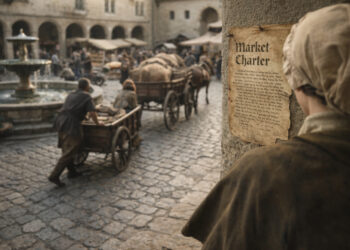
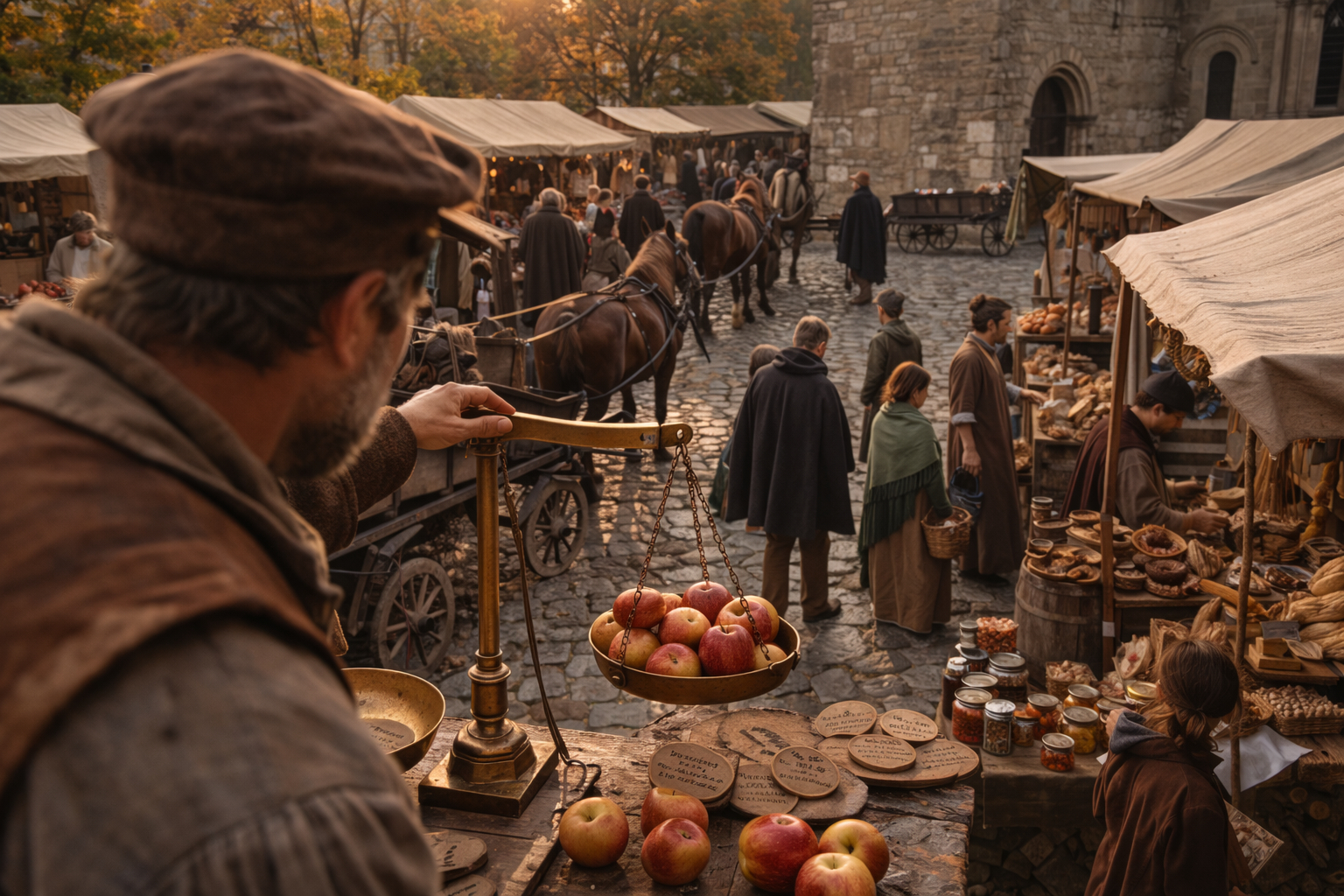
Festivals transformed streets, squares, and commons into dense marketplaces where commerce and ritual overlapped, and these spatial shifts mattered for pricing and access. Temporary infrastructures—stalls, weighhouses, and licensing points—regulated transactions and created visible markers of legitimacy for traders. Social rituals that accompanied markets, such as processions or communal meals, also reinforced trust and reputations essential for credit and repeat business. As a result, the design and management of public space played a direct role in the efficiency and fairness of local exchange.
Authorities exploited festival moments to collect dues, enforce standards, and advertise civic status.
At the same time, informal networks operated alongside official structures, enabling exchange where regulation was weak or absent.
These layered systems made festival markets both vibrant and resilient.
Long-term Economic Impacts and Adaptations
Over decades, recurring festivals influenced settlement patterns by concentrating wealth and services near frequent market sites, encouraging infrastructure investments like roads and storage. Towns that maintained attractive festival traditions could draw regional traffic and sustain specialized trades, while others adapted by shifting dates or adding attractions to remain competitive. Periods of disruption—poor harvests, conflict, or disease—forced innovations such as credit pooling, diversified production, and seasonal migration to new work. These adaptive strategies often became embedded in local institutions, shaping economic behavior long after a particular festival declined.
Studying these adaptations highlights how culture and economy co-evolve within communities.
It also shows that festival economies were not mere curiosities but central mechanisms for survival and growth.
Their legacies can be traced in town layouts, guild records, and oral traditions.
Conclusion
Seasonal festivals anchored the timing of trade, labor, and social life, creating repeatable economic opportunities.
They shaped public spaces and fostered networks of trust and credit that extended beyond single events.
Recognizing these rhythms deepens our understanding of how small towns managed risk, innovation, and community cohesion over time.