

Uncover History’s Secrets with Daily Updates!
Daily News Entertainment
  • Home
  • History
  • Biographies
  • Eras
  • Regions
  • Timeline
No Result
View All Result
History Ours
  • Home
  • History
  • Biographies
  • Eras
  • Regions
  • Timeline
No Result
View All Result
History Ours
No Result
View All Result

Bahis vergilendirmesi Türkiye’de devlet kontrolündedir, ancak yeni açılan casino siteleri gibi uluslararası sitelerde oyuncular kendi kazançlarını yönetir.

Spor tutkunları için yüksek oranlar Bettilt giriş kısmında bulunuyor.

Kullanıcı yorumlarında pozitif değerlendirmeler alan pin co güvenilirliğini kanıtladı.

Home History

Taxation and Toll Networks That Funded Empires

in History
Taxation and Toll Networks That Funded Empires

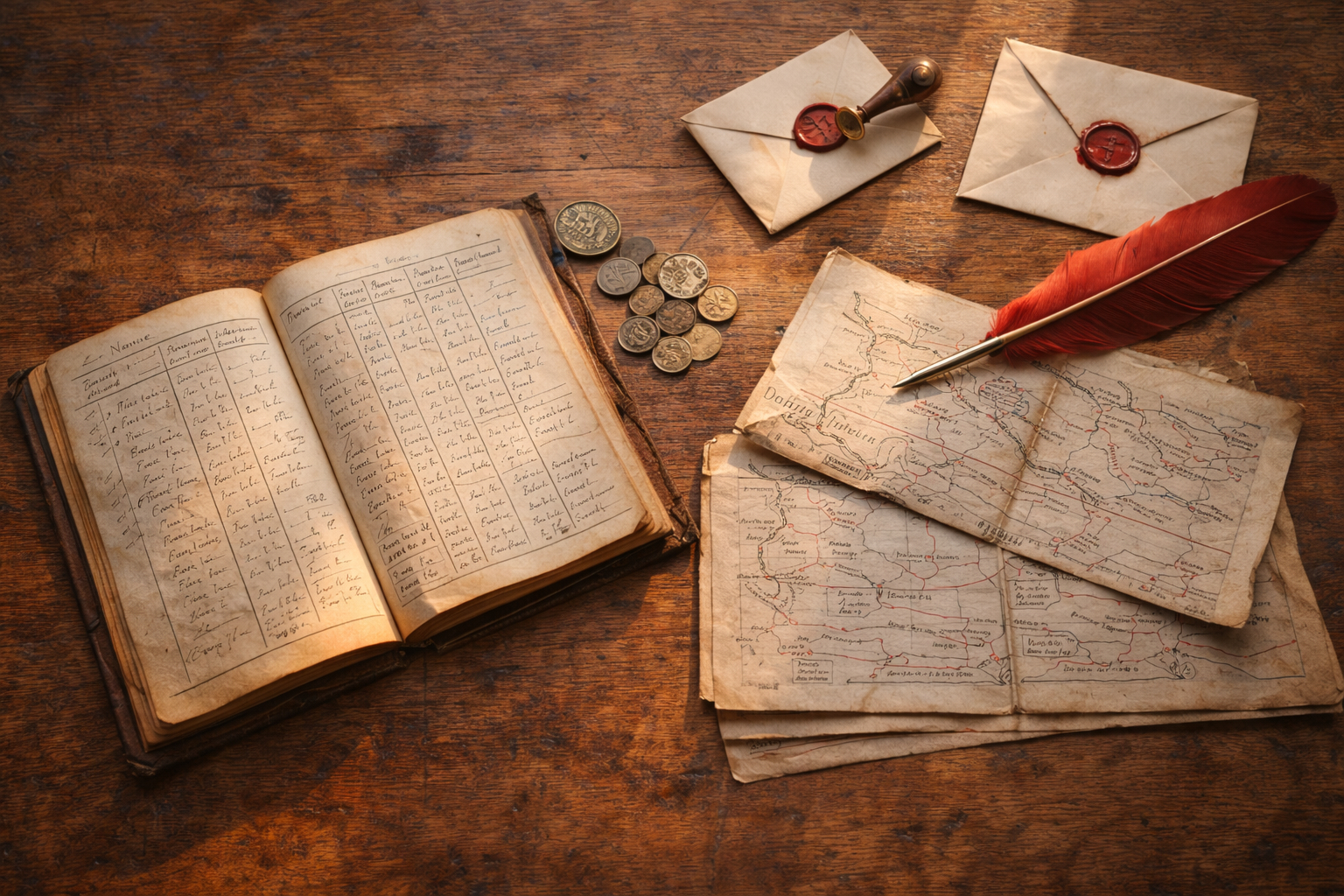
Taxation and toll networks have been central to the rise and maintenance of premodern states.
From road levies to market duties, rulers used fees to finance armies, public works, and bureaucracies.
These fiscal systems shaped patterns of trade, urban growth, and political authority in ways that are often underappreciated.
Understanding how these mechanisms worked reveals the practical foundations of many historical empires and polities.

Origins and administrative logic
Early fiscal systems grew out of practical needs: moving troops, repairing roads, and provisioning courts. Administrations developed registers, checkpoints, and legal codes to standardize collections and reduce evasion. Toll points along rivers, bridges, and major roads became nodes of state presence, where officials gathered information as well as revenue. Over time, such systems professionalized into dedicated tax offices that linked local economies to central authorities.

Tolls, taxes and infrastructure
Tolls and taxes were not only instruments of extraction but also incentives for infrastructure investment. States often contracted with private agents or local elites to maintain roads, ferries, and marketplaces in exchange for collection rights. This pragmatic arrangement created a feedback loop: better infrastructure increased traffic and taxable income, which in turn justified further works.
– Market dues regulated commercial activity and supported urban services.
– Road and bridge tolls directly funded maintenance and improved connectivity.
– Transit fees on riverways shaped shipping routes and seasonal flows.
These arrangements could be both stabilizing and exploitative; where oversight was weak, toll farms and corrupt collectors reduced public benefit and increased local grievances.

Economic and social effects
Fiscal networks redistributed resources across regions, encouraging some towns to specialize and decline in others. Merchants adjusted routes to avoid excessive levies, prompting states to negotiate, standardize, or abolish certain duties to keep trade flowing. The presence of tax infrastructure also affected social relations: toll stations were places of cultural exchange, legal dispute, and occasionally violent resistance. In many cases, taxation practices helped define citizenship and obligations, tying communities into broader political identities.

Conclusion
Examining taxation and tolls reveals the everyday mechanics behind state power and economic life.
These systems shaped physical landscapes, commercial decisions, and political relationships across time.
A focus on fiscal networks brings fresh insight into how historical societies organized resources and authority.

Previous Post

How Messages Traveled: A Timeline of Changing Practices

Next Post

The Infrastructure of Preindustrial Supply and Movement

Related Posts

The Infrastructure of Preindustrial Supply and Movement
History

The Infrastructure of Preindustrial Supply and Movement

February 6, 2026
Seasonal Rhythms: How Agricultural Cycles Directed Preindustrial Trade
History

Seasonal Rhythms: How Agricultural Cycles Directed Preindustrial Trade

February 1, 2026
Signals, Scripts, and Messengers: Preindustrial Communication Systems
History

Signals, Scripts, and Messengers: Preindustrial Communication Systems

February 1, 2026
Practices of Message Delivery Before Modern Postal Systems
History

Practices of Message Delivery Before Modern Postal Systems

January 27, 2026
Next Post
The Infrastructure of Preindustrial Supply and Movement

The Infrastructure of Preindustrial Supply and Movement

Search..

No Result
View All Result

Recent Articles

Mr Mobi Geen Stortingsbonuscodes • Europese Unie Collect Bonus

February 6, 2026

Vinnande Casinoroulette System — Skandinavien Spin to Win

February 6, 2026

Învață Cele Mai Sigure Virtual Site-Uri De Pariuri — teritoriul românesc Join Now

February 6, 2026

Îmbunătățiți Șansele Dvs. De Câștiguri În Ruleta Digitală Jocul De Ruletă — piața românească Register & Win

February 6, 2026
The Infrastructure of Preindustrial Supply and Movement

The Infrastructure of Preindustrial Supply and Movement

February 6, 2026

Subscribe Us

By clicking submit, I authorize History Ours and its affiliated companies to: (1) use, sell, and share my information for marketing purposes, including cross-context behavioral advertising, as described in our Terms of Service and Privacy Policy, (2) supplement the information that I provide with additional information lawfully obtained from other sources, like demographic data from public sources, interests inferred from web page views, or other data relevant to what might interest me, like past purchase or location data, (3) contact me or enable others to contact me by email with offers for goods and services from any category at the email address provided, and (4) retain my information while I am engaging with marketing messages that I receive and for a reasonable amount of time thereafter. I understand I can opt out at any time through an email that I receive, or by clicking here

Subscribe To Our Newsletter

By clicking submit, I authorize History Ours and its affiliated companies to: (1) use, sell, and share my information for marketing purposes, including cross-context behavioral advertising, as described in our Terms of Service and Privacy Policy, (2) supplement the information that I provide with additional information lawfully obtained from other sources, like demographic data from public sources, interests inferred from web page views, or other data relevant to what might interest me, like past purchase or location data, (3) contact me or enable others to contact me by email with offers for goods and services from any category at the email address provided, and (4) retain my information while I am engaging with marketing messages that I receive and for a reasonable amount of time thereafter. I understand I can opt out at any time through an email that I receive, or by clicking here.

© 2026 History Ours | All Rights Reserved

  • Contact Us
  • Privacy Policy
  • Terms of Service
  • Unsubscribe
  • Privacy Choices
  • Contact Us
  • Privacy Policy
  • Terms of Service
  • Unsubscribe
  • Privacy Choices

© 2026 History Ours | All Rights Reserved

No Result
View All Result
  • Home
  • History
  • Biographies
  • Eras
  • Regions
  • Timeline

© 2026 History Ours | All Rights Reserved

Skip to content
Open toolbar Accessibility Tools

Accessibility Tools

  • Increase TextIncrease Text
  • Decrease TextDecrease Text
  • GrayscaleGrayscale
  • High ContrastHigh Contrast
  • Negative ContrastNegative Contrast
  • Light BackgroundLight Background
  • Links UnderlineLinks Underline
  • Readable FontReadable Font
  • Reset Reset