
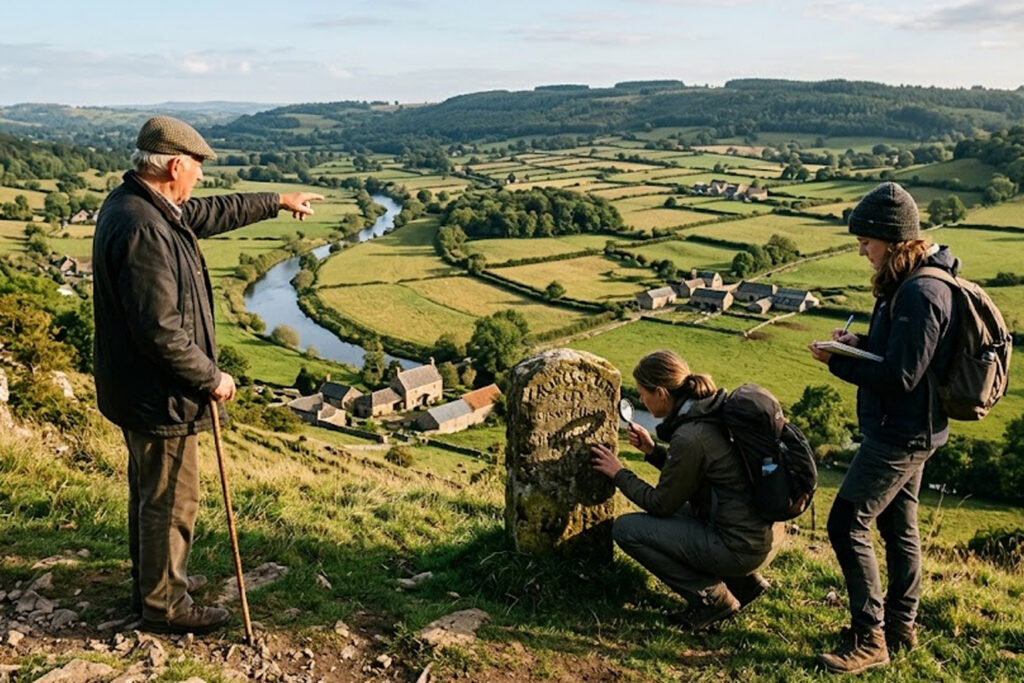
Introduction
Historical regions offer more than administrative boundaries; they reflect patterns of settlement, commerce, and memory.
Over centuries, those regions acquire distinctive languages, customs, and economic roles that persist in local practices.
Understanding these layered identities helps explain why places change unevenly and why some landscapes retain ancestral features.
This article explores how historic regions form, evolve, and continue to shape contemporary culture and policy.
Historical Boundaries and Identity
Boundaries that define historical regions are often porous and contested rather than fixed. Natural features like rivers and mountains, combined with trade routes and political arrangements, once guided how people grouped themselves. Administrative reforms and modern mapping sometimes flatten those contours, but local identities frequently endure through oral histories and place names. Archaeology and archival research reveal the gradual processes that produced recognizable regional characters.
Recognizing the contingency of boundaries invites a more flexible approach to regional history. It also helps planners respect local attachments when designing initiatives.
Cultural Landscapes and Economic Roles
Cultural landscapes encapsulate how communities adapted economies to local resources such as fertile plains or mineral deposits. Festivals, craft traditions, and culinary practices often signal long-standing economic arrangements and social networks. Migration flows and market connections can reshape those practices, creating hybrid forms that remain regionally recognizable. Heritage sites and vernacular architecture provide tangible evidence of those sustained interactions.
- Agricultural patterns that shaped settlement layouts.
- Mining and craft centers that created lasting trade ties.
- River and coastal routes that anchored regional exchange.
Integrating economic history with cultural analysis yields a fuller picture of a region’s past. That perspective supports more resilient strategies for local development.
Preserving and Reinterpreting Regional Heritage
Preservation efforts balance protecting physical artifacts with sustaining living traditions. Scholars and communities often disagree about what counts as authentic or worth conserving. Digital archives and community-driven projects now enable broader participation in how regions tell their stories. Responsible interpretation acknowledges change and avoids freezing regions into romanticized snapshots.
Policies that involve local stakeholders tend to produce more meaningful and durable outcomes. Education programs that foreground regional diversity can foster informed stewardship across generations.
Conclusion
Historical regions are living constructs shaped by environment, economy, and memory.
Attentive study and inclusive preservation reveal how past arrangements inform present choices.
Embracing regional complexity strengthens cultural resilience and policy decisions.