Introduction
Historical regions are more than drawn lines; they are overlapping layers of human activity, memory, and governance that persist across time. Recognizing these regions explains shared practices, settlement patterns, and cultural landscapes that formal borders do not always capture. While political boundaries change, regional affinities often follow trade routes, dialects, and institutional histories. This article outlines how historical regions form, why they matter, and how they continue to influence contemporary life.
How Historical Regions Are Defined
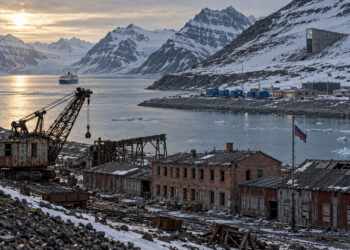
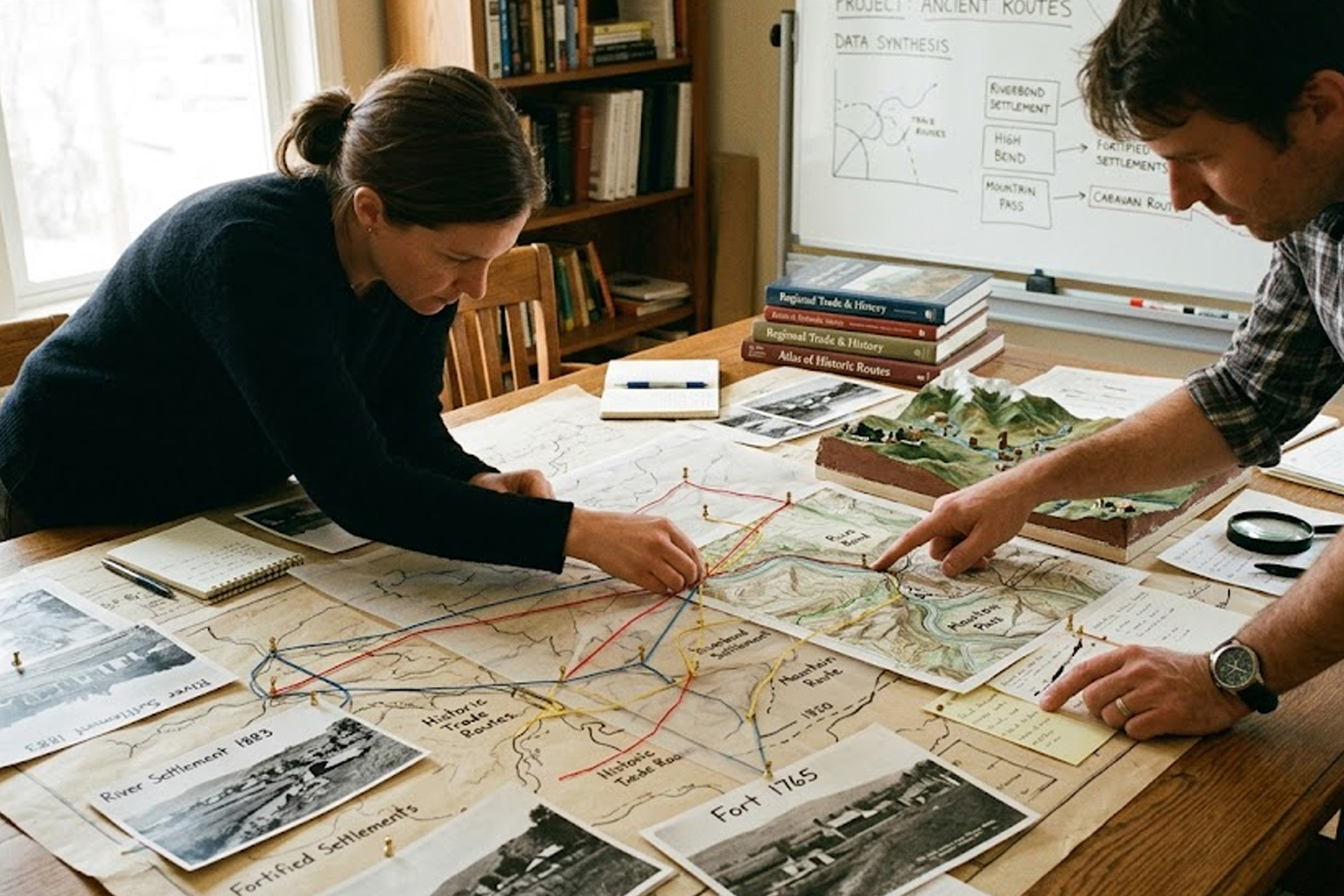
Historical regions emerge from a combination of natural features, economic networks, and social practices that accumulate over generations. Rivers, mountain passes, and coastlines direct movement and commerce, while markets and craft specializations bind communities together. Administrative acts sometimes attempt to impose new borders, yet the lived geography of language, law, and custom often tells a different story. Researchers draw on maps, archival sources, and material culture to reveal these durable regional shapes.
Identifying defining characteristics helps differentiate regions that look similar on modern maps. This approach clarifies why some areas share legal traditions or agricultural methods despite political separation.
Cultural and Economic Threads
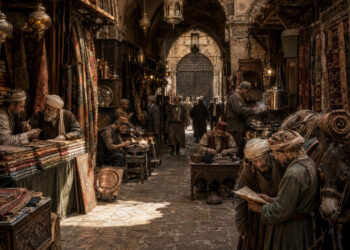
Cultural expression and economic exchange are central threads weaving historical regions into coherent wholes. Shared festivals, architectural styles, and religious practices reinforce group identity, while trade links distribute goods, skills, and ideas across a territory. Migration patterns and intermarriage can extend cultural influence beyond administrative limits, creating zones of hybrid identity. Over time these interactions form recognizable regional profiles that inform local governance and community memory.
Mapping those threads reveals connections that support tourism, education, and sustainable local economies. It also highlights vulnerabilities where economic shifts may disrupt long-standing regional networks.
Preservation, Change, and Modern Governance
Efforts to preserve regional heritage must balance conservation with contemporary needs and development pressures. Policy choices, infrastructure projects, and economic restructuring can either reinforce regional coherence or erode it by redirecting trade and employment. At the same time, local initiatives, museums, and cultural programs can revitalize regional narratives and support identity-driven planning. Recognizing historical regions in governance encourages policies sensitive to place-based strengths and histories.
Collaboration between scholars, planners, and communities produces more resilient and meaningful regional strategies. This cooperation ensures that past legacies inform rather than restrict future possibilities.
Conclusion
Historical regions are living frameworks that link past processes to present realities. Paying attention to their layers improves planning, interpretation, and cultural stewardship. A regional perspective helps communities make informed choices grounded in long-term patterns.