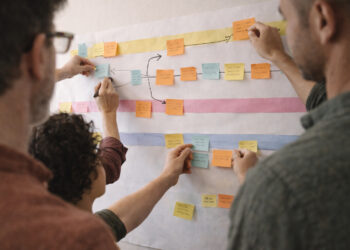
Timelines translate sequences of events into readable narratives that reveal change over time and causal connections. A well-crafted timeline guides readers through context, significance, and patterns rather than just listing dates. This article outlines practical steps to plan, research, and design timelines that serve public audiences and researchers alike. Follow these principles to create timelines that are accurate, engaging, and clear.
Defining Purpose and Audience
Begin by clarifying why the timeline exists and whom it should serve. Is the goal to summarize complex research, orient visitors in an exhibit, or support classroom learning? Knowing the audience determines tone, depth, and the kinds of explanations or primary sources you include. A focused purpose prevents scope creep and keeps the timeline useful.
Establish measurable goals such as guiding readers to key turning points or supporting further inquiry. Use these goals to evaluate design choices as the project develops.
Choosing Time Scale and Granularity
Selecting an appropriate time scale is crucial: too broad and you lose nuance, too narrow and you overwhelm viewers. Decide whether decades, years, seasons, or days best represent the story you want to tell, and be consistent about intervals. Consider multiple layers of granularity for complex subjects so readers can switch between overview and detail. Planning scale early helps organize research and design assets efficiently.
- Macro scale: long trends and eras.
- Meso scale: decade- or year-level developments.
- Micro scale: specific days or moments.
Offer clear labels and legends so users understand the scale choices you made and can interpret event spacing correctly.
Organizing Content and Sources
Gather primary and secondary sources and record citations as you go to support every entry. Create categories or lanes (political, cultural, technological) to group related events and make patterns visible. Prioritize entries that illuminate causal relationships or recurring themes rather than attempting exhaustive coverage. Maintain a research log that links events to sources to ensure accuracy and facilitate future updates.
- Primary documents, images, and dates.
- Scholarly interpretations and contextual notes.
An organized content repository streamlines editing and helps collaborators contribute reliably.
Designing for Readability and Context
Visual hierarchy and clear labeling make timelines interpretable at a glance and on closer inspection. Use contrast, typographic size, and color to separate eras, highlight milestones, and denote significance. Add concise contextual blurbs to explain why an event matters, avoiding dense academic prose. Test the layout at different scales and devices to confirm that spacing and labels remain legible.
Accessibility matters: provide alternative text for images and ensure color choices work for users with visual impairments. Iterative testing with representative users reveals points of confusion you can correct before publication.
Conclusion
Good timelines combine clear purpose, careful sourcing, and purposeful design to make history legible. Start with audience and scale, then organize content and refine visual hierarchy through testing. The result is a timeline that informs, invites exploration, and stands up to scrutiny.