Recovering a life that left few records requires a blend of careful research and ethical imagination. Biographers must weigh sparse evidence against plausible context while avoiding unwarranted claims. This balance matters for public history projects that seek to represent people fairly and usefully. The following practical steps outline how to assemble reliable, humane short biographies from limited archives.
Gathering and Prioritizing Sources
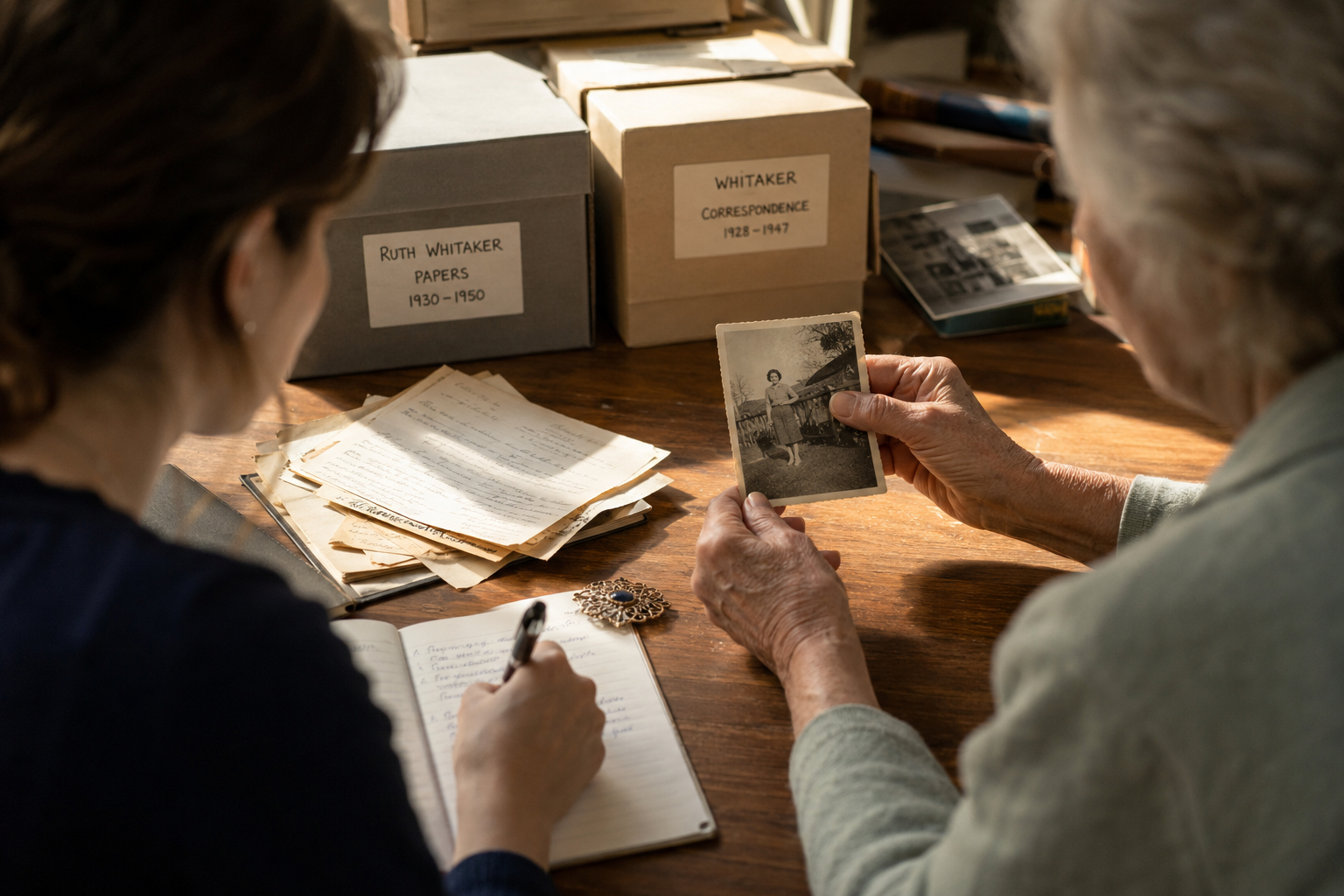
Start by mapping every available trace: official records, letters, newspapers, oral histories, and material culture can each supply different kinds of information. Give priority to sources that directly relate to the subject while noting gaps and uncertainties transparently. Cross-referencing contemporary documents helps test hypotheses about dates, relationships, and activities. Keep a clear audit trail so future researchers can follow your reasoning and reassess conclusions.
Document what you found and what you did not find, and record the relative reliability of each source. This habit turns absence into informative evidence rather than mere silence. It also helps prevent overclaiming when writing the narrative.
Contextualizing Without Speculation
Context allows readers to understand choices and constraints, but context should support rather than replace specific evidence. Use social, economic, and cultural histories to frame likely conditions and opportunities that shaped a life. Be explicit where context fills gaps, distinguishing clearly between documented fact and plausible inference. Footnotes, endnotes, or editorial brackets can help maintain that distinction for readers and scholars.
Resist the temptation to dramatize unknown motives; readers benefit more from a clear account of what is known and what remains open. Careful phrasing preserves credibility and invites further inquiry.
Crafting Narrative with Measured Empathy
A concise biography should aim to convey agency, constraints, and significant turning points without creating a fictional interior life. Use quotations, if available, and concrete details to let the subject’s actions speak for themselves. When interpreting behavior, ground assertions in the sources and indicate degrees of certainty. This approach builds empathy rooted in evidence rather than projection.
Edit with an eye to clarity and proportionality: avoid letting scant details dictate grand narratives. Short biographies succeed when they are precise about limits and generous in placing the subject within broader patterns.
Conclusion
Writing about overlooked lives combines meticulous sourcing with careful contextual judgment. Clarity about evidence and limits strengthens both scholarship and public trust. Thoughtful, restrained narratives make neglected stories informative and respectful.