

Rediscovering the Life of a Forgotten Civic Reformer
He left few monuments and less fanfare, yet his work reshaped municipal life in subtle, lasting ways. This article traces the arc of a civic reformer whose practical reforms improved daily experience for many. Drawing on letters, council records, and contemporary reporting, we reconstruct an approach rooted in patience and pragmatic compromise. Our aim is to present a balanced portrait that highlights methods as much as accomplishments.
Background
Born into modest circumstances, he began public service through local committees and neighborhood associations. Early experiences managing community projects taught him negotiation and the value of incremental change. He avoided ideological extremes and preferred data, observation, and modest pilot programs to test ideas before broader adoption. These formative years shaped the tone and temper of his later public life.
His origins inform why he focused on practical problems rather than headline reforms. Understanding this background helps explain both his popularity with ordinary citizens and his occasional frustration with partisan politics.
Career and Impact
His career spanned several roles within municipal administration and civic organizations, where he emphasized efficient service delivery and transparent decision making. He championed improvements in public sanitation, coordinated volunteer networks for emergency relief, and introduced scheduling reforms that reduced bureaucratic delays. Colleagues often noted his insistence on simple metrics and clear timelines to track progress. Over time, these small adjustments produced measurable improvements in local services and public trust.
- Improved sanitation routes and waste handling procedures.
- Creation of neighborhood response teams for emergencies.
- Administrative reforms that cut processing times for permits.
The tangible results of these initiatives are visible in municipal records and oral histories, which credit his steady hand for sustained improvements.
Character and Methods
Known for a temperate voice and careful preparation, he relied on consensus-building rather than confrontation. He cultivated relationships across social and political divides, which allowed him to pilot controversial changes with broad support. Attention to detail, routine site visits, and openness to feedback defined his practice. This methodical temperament made him effective in institutional settings that prized continuity.
His approach offers lessons for contemporary practitioners: incremental pilots, measurable goals, and cross-sector collaboration often outperform grandstanding efforts. These techniques are as relevant today as they were in his time.
Historical Context and Sources
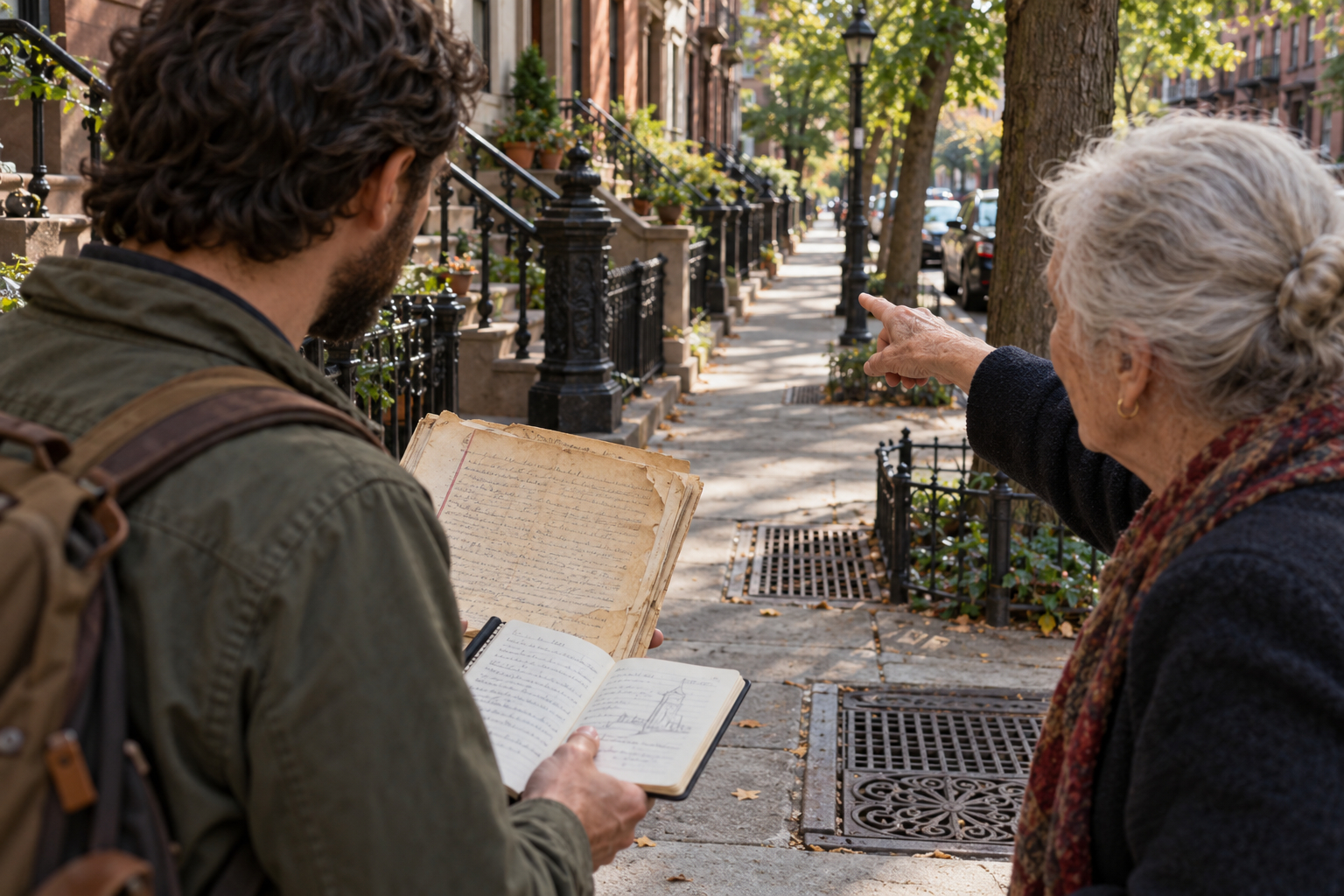
Operating in a period of rapid urban change, his work must be seen against wider shifts in technology, migration, and governance. Primary sources include council minutes, personal correspondence, and newspaper coverage that together illuminate both achievements and constraints. Secondary analyses by historians and archivists help situate his contributions within longer institutional trends. Together these materials allow a fuller assessment than any single source could provide.
Careful source triangulation reveals both strengths and limits of his legacy, and suggests avenues for further research by local historians and practitioners interested in pragmatic reform.
Conclusion
This biography highlights a public servant whose quiet, methodical work yielded practical improvements in urban life. His legacy shows how steady administration and collaborative problem solving can produce lasting change. Rediscovering such figures helps broaden our understanding of how communities adapt and improve over time.