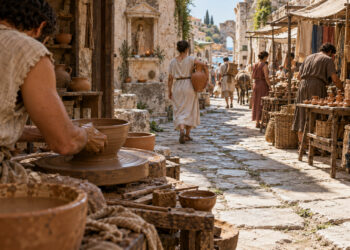
Ancient cities are more than monumental ruins; they were living environments shaped by daily needs, commerce, and social rituals. Understanding everyday life in these urban centers helps historians connect architectural remains to human behaviors and economic systems. This article examines the material evidence and interpretive methods that bring ordinary experiences into clearer focus. By combining written records, ceramics, and spatial analysis, scholars reconstruct routines that shaped community identity and survival.
Urban Context and Infrastructure
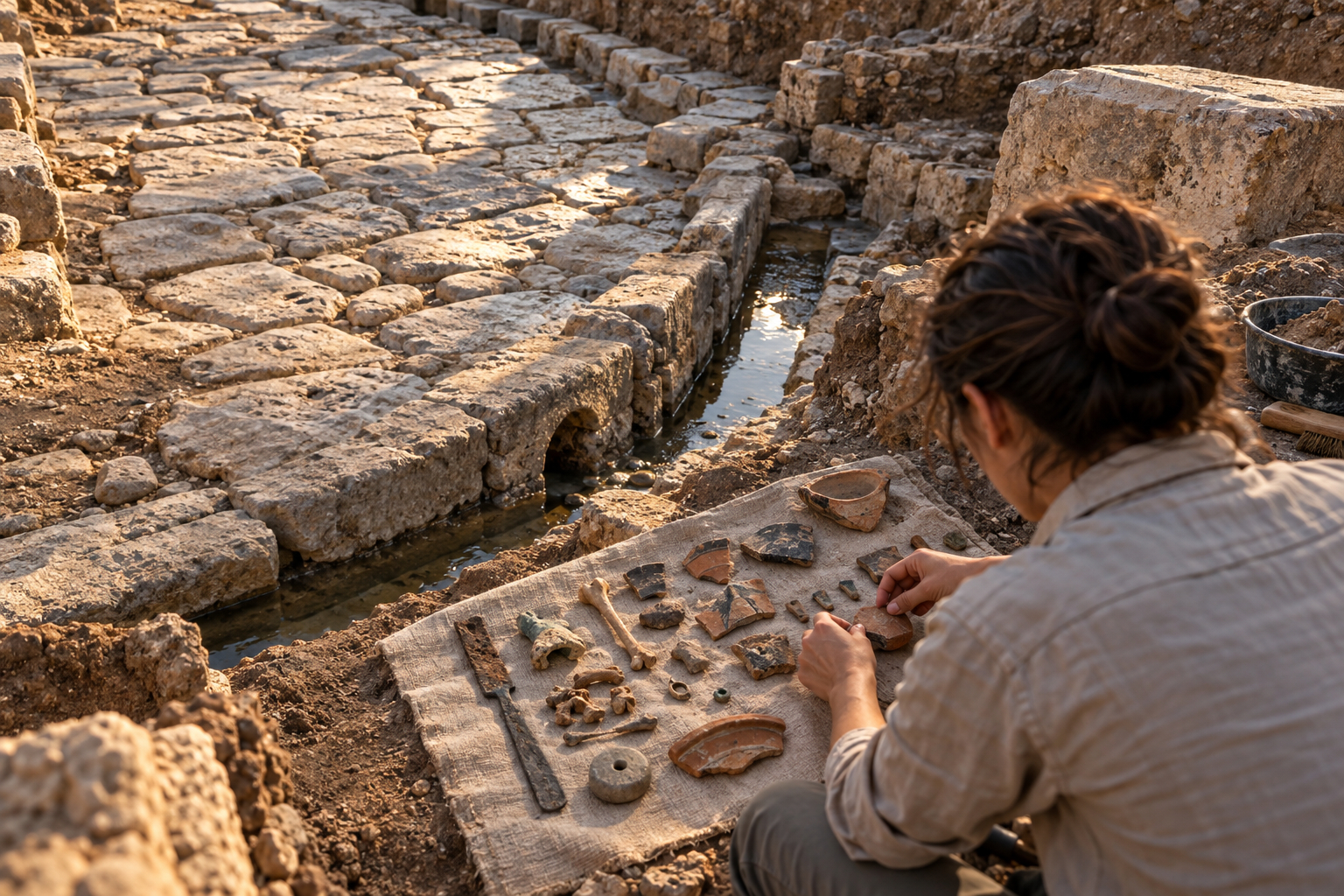
Water systems, roads, markets and walls provided the framework for daily activities and influenced patterns of work and leisure. Archaeologists use remains of wells, conduits, and paving to infer municipal priorities as well as the reach of administrative control. The distribution of workshops and storage facilities reveals specializations and long-distance connections through traded goods. Urban planning thus acts as a lens to understand daily constraints and opportunities for residents.
Patterns of movement and construction choices reflect both elite decisions and adaptive practices by ordinary people. Interpreting these traces requires caution but opens a richer view of social organization.
Archaeological Records and Daily Routines
Everyday items such as pottery shards, food remains, and discarded tools form the bulk of evidence for ordinary lives. Residue analysis and wear patterns allow researchers to infer diets, craft activities, and household economies with surprising specificity. Spatial studies within houses and workshops map gendered tasks, apprenticeship systems, and the role of domestic space in production. Combined with inscriptions or account lists when available, material culture reconstructs routines that rarely appear in elite chronicles.
This bottom-up perspective balances narratives dominated by political events and monumental architecture. It highlights resilience and innovation among communities responding to economic and environmental pressures.
Cultural Transmission and Mythmaking
Stories, rituals, and public displays intertwined with daily practice to create shared meanings and social cohesion. Markets and festivals circulated objects and ideas, accelerating cultural exchange across neighborhoods and merchant networks. Archaeology uncovers evidence of commemoration and memory in domestic altars, graffiti, and reused votive materials. Over time, everyday practices can become ritualized, then mythologized, shaping long-term identity and historical narratives.
Recognizing this process helps explain why certain customs persisted while others vanished. It also cautions historians to distinguish lived practice from later ideological reinterpretations.
Conclusion
Reconstructing everyday life in ancient cities involves integrating material, textual, and spatial evidence into a coherent account. This multidisciplinary approach reveals how ordinary choices shaped urban resilience, economy, and culture over generations. A careful focus on daily routines enriches broader historical narratives and invites new questions about continuity and change.