Eras are frameworks that historians use to group events, trends, and experiences into intelligible periods. They help communities and scholars to trace continuities and disruptions across time. Understanding an era reveals how people made sense of change and anchored identity in shared narratives. This perspective highlights both the limits and possibilities of periodization.
Defining an Era
An era is not simply a span of years; it is a constructed lens shaped by politics, culture, and memory. Historians pick markers—technological innovation, ideological shifts, or major conflicts—to signal when one era ends and another begins. These markers can be contested, differing by region, social group, or the questions scholars ask. The act of defining an era often reflects present concerns as much as past realities.
Recognizing this constructed quality encourages careful use of period labels. It also opens space to compare overlapping timelines.
Cultural Continuities and Ruptures
Eras can emphasize either continuity or rupture depending on emphasis. For example, some narratives foreground gradual social changes and persistent practices that span multiple generations, while others stress sudden transformations that recast institutions and everyday life. Cultural artifacts, language, and rituals often persist even when political orders change, creating layered identities. Scholars must weigh different types of evidence to balance continuity with change.
Attending to both continuity and rupture gives a fuller picture of historical experience. It prevents simplistic storytelling.
Everyday Lives and Material Culture
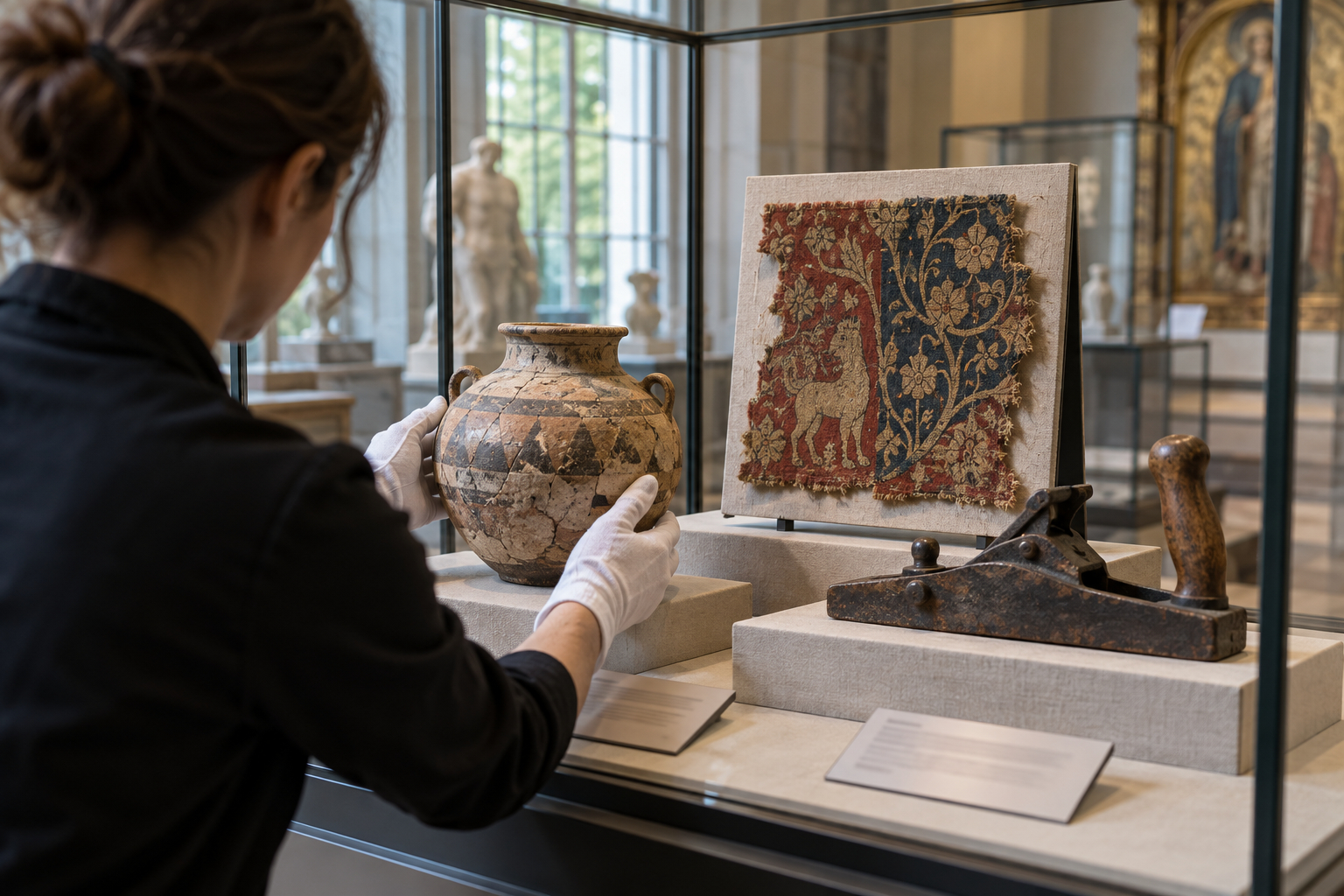
Material culture anchors eras in tangible ways: clothing, tools, architecture, and media leave traces that outlast spoken recollection. Examining objects and daily routines reveals how large-scale trends were lived and adapted by ordinary people. Such sources help historians move from abstract period labels to concrete human practices and meanings. They show how economic structures, technologies, and tastes intersect to shape a sense of an era.
Using material evidence complements textual and institutional records. Together these approaches create richer, more democratic histories.
Periodization and Public Memory
Public memory, museums, and curricula often fix specific era narratives into collective consciousness. Commemorations and educational choices shape which periods are foregrounded and which are marginalized. These public framings influence how communities identify with the past and with each other. Debates over monuments, anniversaries, and textbooks reveal the political stakes of period labels.
Understanding these dynamics reminds historians to engage with audiences beyond academia. It also emphasizes the responsibility of interpretation.
Conclusion
Periodizing history is a practical tool that organizes complexity into teachable narratives. When used critically, eras illuminate how identities are built, contested, and transformed over time. Embracing nuance helps readers appreciate the layered nature of historical change.