
Chang’an—today’s Xi’an—was more than a capital; it was an engine of taste, fashion, and rumor. Laid out on a strict grid and divided into hundreds of walled wards, the city housed government offices, imperial palaces, and neighborhoods where commoners and merchants lived cheek by jowl. At its peak the urban population may have approached a million people, a scale that made Chang’an one of the largest cities on earth.
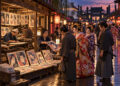
Wards had gates and curfews, patrols and magistrates. That order didn’t stop life from spilling into the streets. Messengers, sedan chairs, and carts threaded broad avenues. Courtyards opened into alleys full of craftsmen—silk weavers, enamelers, and metalworkers—whose goods would travel the Silk Road as eagerly as the caravans that arrived from Central Asia.
Markets, music, and a thousand tongues
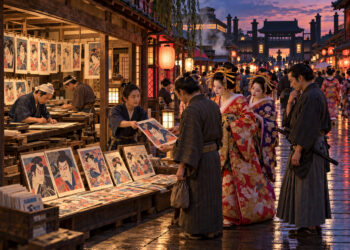
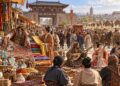
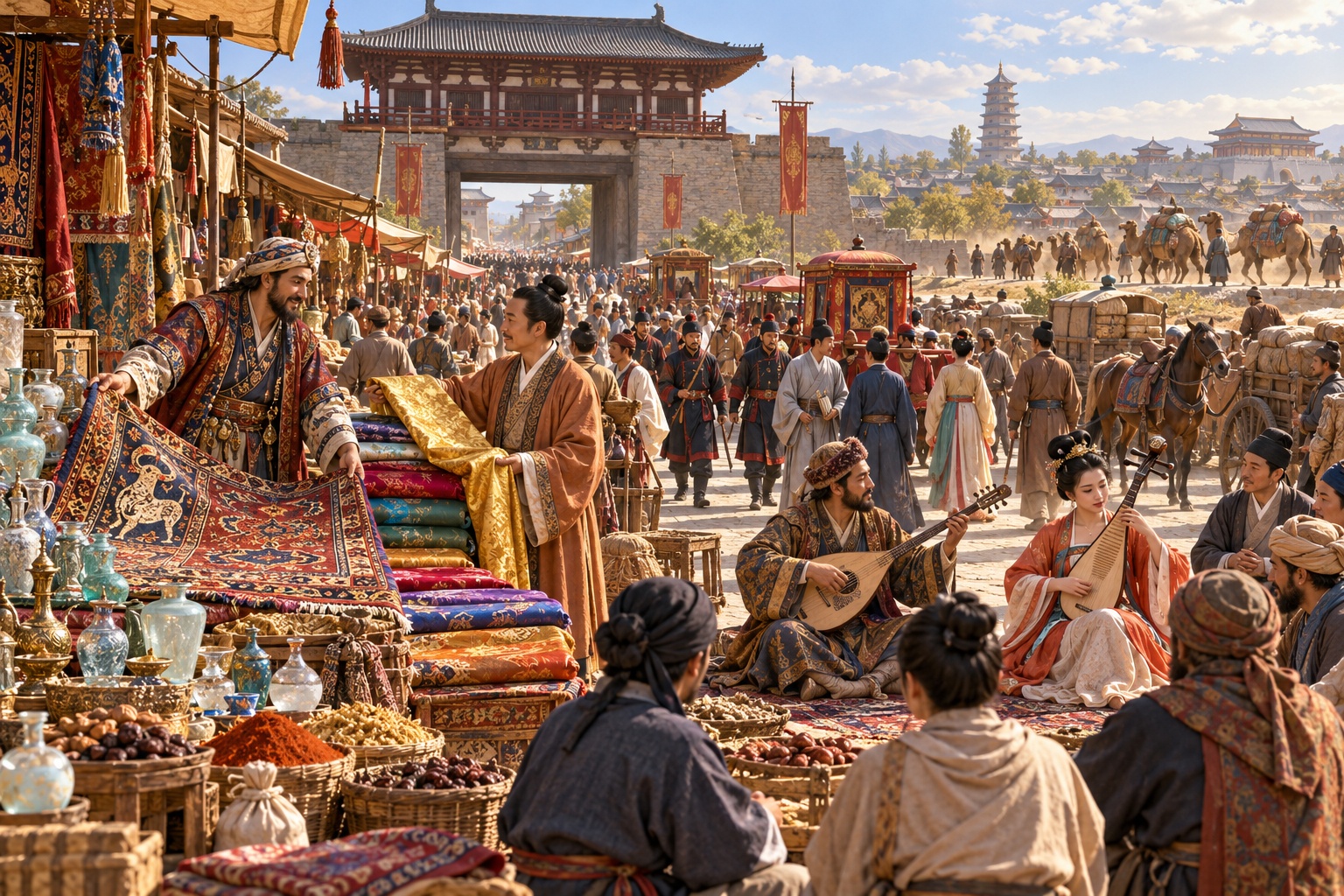
The markets of Chang’an were famous across Eurasia. The East and West Markets bristled with foreign wares: glass from Sasanian Iran, horses from the steppes, spices and saffron, and carpets the likes of which most Chinese had never seen. Sogdian merchants—Persian-speaking traders who acted as middlemen on the Silk Road—were especially visible. They brought not only goods but songs, languages, and fashions.
Music and performance traveled too. Musicians from Central Asia introduced new instruments and rhythms; court orchestras adapted foreign dances for imperial banquets. Religious diversity followed commerce. Alongside Buddhism, which enjoyed imperial patronage, Taoist monasteries stood near Christian and Manichaean communities and Zoroastrian fire temples—evidence of a city tolerant enough to accommodate surprising beliefs.
Letters, poets, and early printing
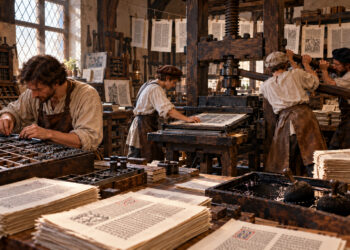
The Tang era is remembered for its poetry—the names Li Bai and Du Fu still surface in anthologies and classrooms centuries later. Poets were public figures; their lines could be copied, recited, and discussed in teahouses and along canal banks. The appetite for texts expanded public life, and Tang China witnessed the earliest surviving examples of woodblock printing. The Diamond Sutra, a Buddhist scroll dated 868, is the oldest complete printed book yet found, hinting at how information began to circulate faster than ever before.
Civil service examinations were consolidating meritocratic pathways into government, drawing ambitious scholars into the capital. That made Chang’an a magnet for talent and contest—sudden rises and precipitous falls in fortune were part of the city’s rhythm.
Conclusion
Chang’an in the Tang dynasty was a city of contrasts: regimented wards and exuberant public life, orthodox rituals and foreign cults, classic poetry beside imported melodies. It mattered not just to China but to Eurasia; what arrived in its markets and what left in its caravans shaped tastes and ideas across continents. Walk its imagined streets and you find a metropolitan world surprisingly modern in its diversity—a reminder that global lives and global goods are not a recent invention but an ancient habit.