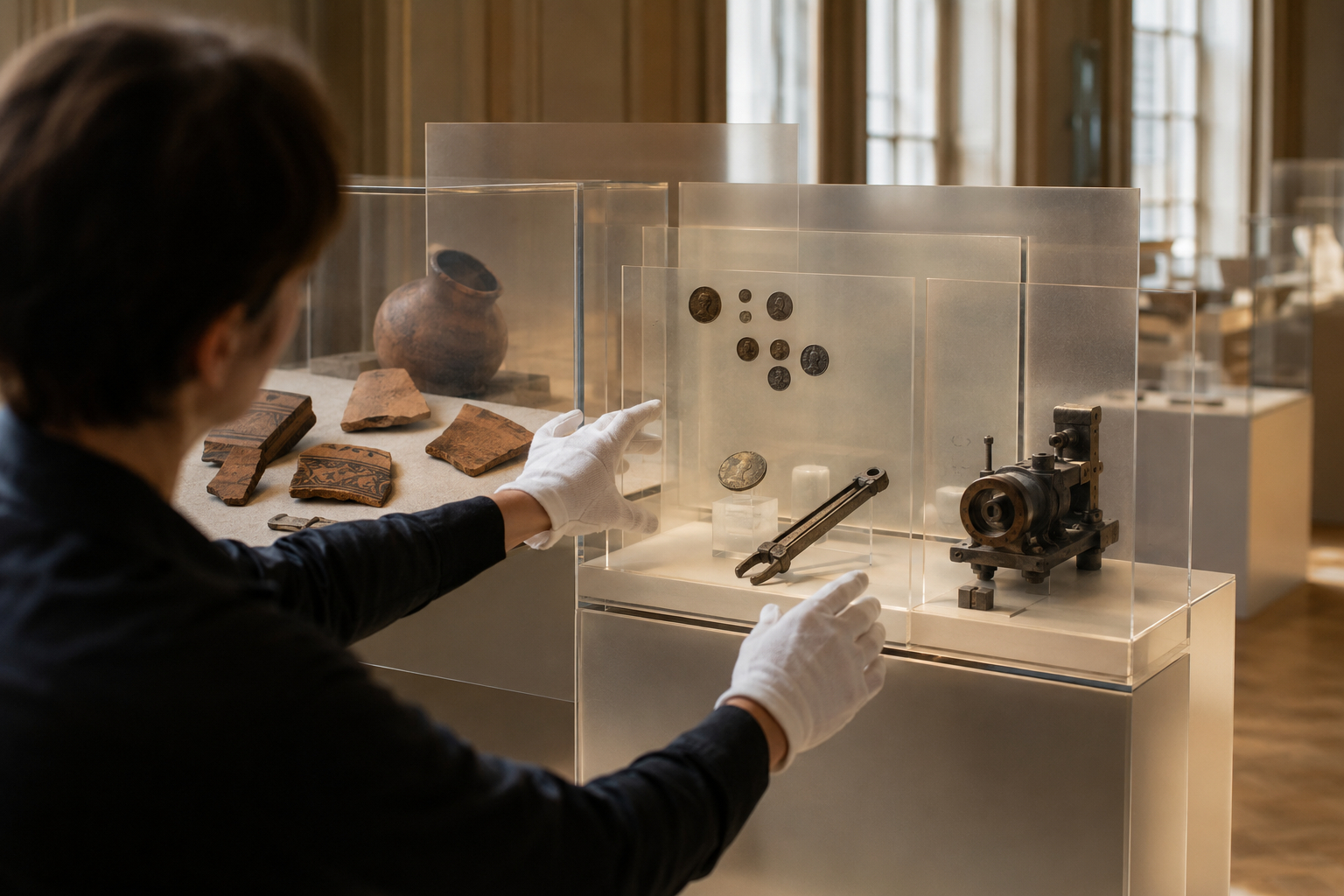
Historical eras are tools that help readers and researchers see patterns across generations without losing sight of complexity. By grouping developments under coherent headings historians make long-term change more accessible and teachable. Good eras balance clarity with nuance so they can support multiple perspectives and scales of analysis. This piece outlines practical steps for creating eras that explain rather than oversimplify the past.
Principles for Defining Useful Eras
Start with clear goals: decide whether the era aims to highlight economic structures, cultural shifts, technological change, or political transformation. Use multiple kinds of evidence so a timeframe is not defined by a single event or artifact. Consider the spatial scale and whether local, regional, or global patterns best fit the proposed boundaries. Test a candidate era by asking whether it generates clearer explanations and plausible continuities across its span.
Good eras are defensible and provisional; scholars should be able to justify choices and revise them as new data appears. Keeping the rationale explicit helps readers understand why particular start and end points were chosen.
Balancing Boundaries and Overlap
Eras are inherently artificial, so it is important to acknowledge overlapping timelines and concurrent developments. Overlap often reveals useful contrasts, such as how economic modernization and cultural persistence proceeded on different timetables. Avoid rigid cutoffs when gradual transitions or regional variation are central to the story. Instead, present boundaries as interpretive conveniences and map where they align or diverge.
- Look for multiple indicators to mark transitions: institutional change, technological adoption, shifts in circulation, or major demographic movements.
- Allow layered eras that reflect social, environmental, and cultural rhythms rather than forcing a single frame onto every theme.
Making overlaps visible enhances readers’ grasp of complexity and prevents false narratives of abrupt replacement.
Applying Eras in Public Narratives
When presenting eras to wider audiences prioritize clarity, illustrated examples, and transparent reasoning. Use timelines, case studies, and comparative snapshots to show how an era helps explain particular questions. Emphasize that eras are tools for interpretation, not fixed truths, and offer alternative framings where relevant. This approach builds trust and invites engagement with the interpretive process.
Educators and exhibit designers can use eras as scaffolding, linking specific stories to broader patterns without flattening detail. Clear labels and brief justifications go a long way toward making periodization useful for general readers.
Conclusion
Constructing eras requires balancing explanatory power with respect for nuance. Transparent criteria and layered frames make eras more defensible and informative. Thoughtful periodization helps both specialists and the public see long-term historical change more clearly.