
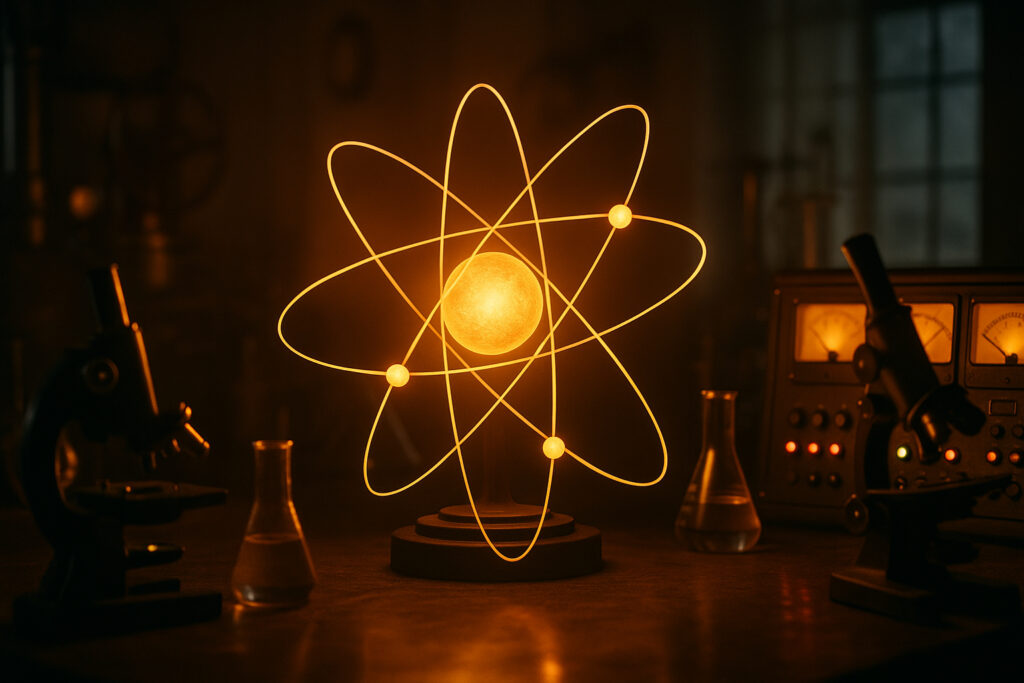
The Atomic Era represents one of the most defining chapters in modern history — a time when scientific breakthroughs opened the door to extraordinary possibilities and unprecedented risks. Born from rapid advancements in physics and global conflict, this era reshaped politics, energy, warfare, and the way humanity viewed its own power. The discoveries of the mid-20th century created both hope for progress and concern for safety, marking a turning point in global awareness.
As scientists unlocked the secrets of the atom, the world entered a new age where energy could be generated on a massive scale, yet destruction could occur with equal force. This balance between innovation and danger is what makes the Atomic Era both groundbreaking and deeply complex.
A New Scientific Frontier
The Atomic Era began with groundbreaking discoveries in nuclear fission. Scientists found that splitting atoms released enormous amounts of energy, inspiring research that pushed physics into a new realm. These achievements led to innovations in energy production, medicine, and technology, proving how powerful scientific curiosity could be.
The Dual Edge of Nuclear Power
Nuclear technology showcased two very different paths. On one side, nuclear reactors promised cleaner, more efficient energy capable of powering entire cities. On the other, atomic weapons demonstrated destructive force unlike anything seen before. This contrast sparked global debates about responsibility, safety, and the future of energy.
Global Tensions and Cold War Influence
The development of nuclear weapons intensified geopolitical tensions. Nations raced to build stronger arsenals, creating an environment shaped by fear and strategic caution. Treaties, alliances, and diplomatic efforts emerged to prevent catastrophic conflict, highlighting the need for careful management of such powerful technology.
Innovation for Peaceful Purposes
Despite the risks, the Atomic Era fueled major advancements in science and medicine. Nuclear energy provided alternative power sources, while radiation technology led to breakthroughs in cancer treatment and medical imaging. These innovations showed how atomic research could improve lives when used responsibly.
Conclusion
The Atomic Era stands as a reminder of humanity’s extraordinary ability to innovate — and the responsibility that comes with such power. It brought significant progress while raising critical questions about safety, ethics, and global cooperation. As we continue to navigate the legacy of this era, its lessons remain more relevant than ever.