
Hidden Threads: How Everyday Objects Tell Local Histories
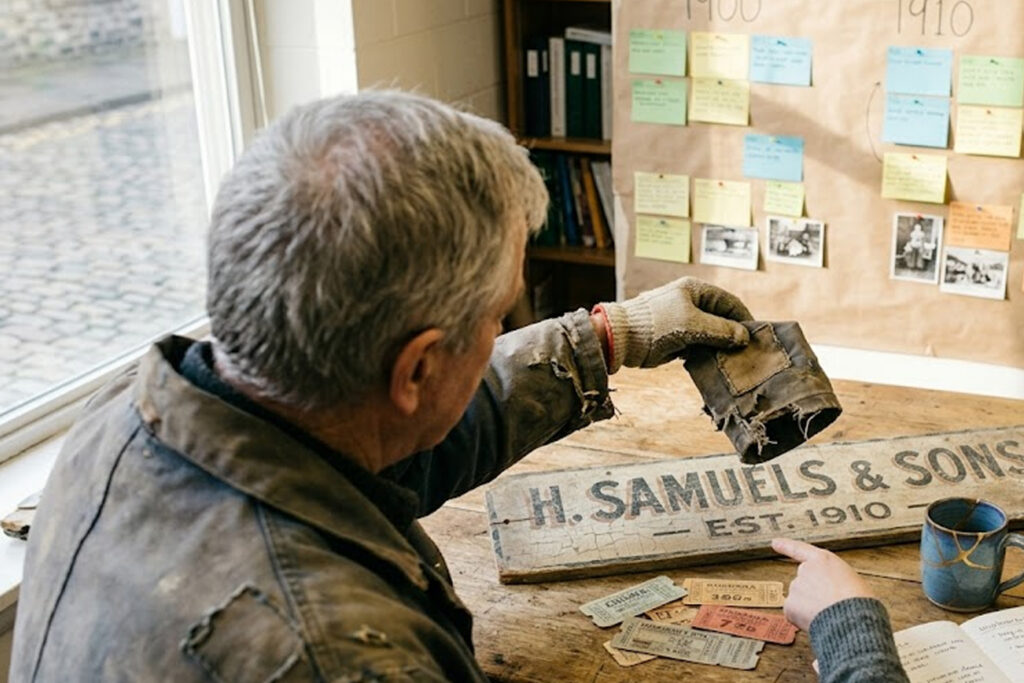
Everyday objects around us carry traces of past lives, routines, and choices that formal archives often overlook. A discarded ticket stub, a patched coat, or a neighborhood shop sign can reveal patterns of migration, labor, and cultural exchange. Paying attention to these material traces helps communities recover stories that no official record captures. This article explores how ordinary items act as memory-bearers and offers practical ways to read and preserve them.
Objects as Storytellers
Objects encapsulate lived experience through their design, wear, and context, turning material culture into a narrative resource. When a tool shows repeated repair, it can indicate scarcity, value, or attachment within a household or workplace. Similarly, decorative motifs on ceramics or textiles may point to local tastes, trade links, or symbolic meanings transmitted across generations. Reading these traces requires curiosity and a willingness to connect small details to broader social patterns.
Approaching items as evidence reframes them from curiosities into primary sources that complement documents and oral histories. This perspective broadens the scope of research to include the everyday and the intimate. It also empowers non-specialists to contribute observations that enrich communal knowledge.
Reading Material Culture
Learning to interpret objects starts with careful description: note materials, construction methods, repairs, and signs of use before forming hypotheses. Context is essential; the same object taken from different settings can mean very different things, and provenance helps build credible stories. Combining visual analysis with interviews and archival checks turns isolated artifacts into strands of a coherent narrative. Such multidisciplinary reading makes it possible to trace changes in economy, technology, and social relations over time.
- Kitchenware can reveal diet, trade, and household organization.
- Commercial signs and packaging indicate local commerce and consumer trends.
- Clothing alterations suggest resourcefulness, identity, or shifting fashions.
Examples like these show how modest items map onto community life and historical change. They offer entry points for researchers and residents alike to begin asking historically productive questions.
Preserving Ordinary Evidence
Preservation need not be confined to major institutions; community projects can document and safeguard everyday artifacts through simple methods. Photographic cataloguing, condition notes, and recorded oral histories provide durable records without requiring specialized storage. Digital platforms allow wider sharing and collective annotation, enabling residents to contribute memories and context that enrich the material record. Local partnerships between libraries, schools, and civic groups can create sustainable practices for maintaining these resources.
Prioritizing accessibility ensures that preserved items remain meaningful to the people whose stories they tell. Thoughtful stewardship also opens opportunities for exhibitions and educational programming that celebrate local heritage.
Conclusion
Ordinary objects are powerful conduits of local history, offering tangible links to past lives and practices. By learning to read, document, and preserve material traces, communities recover layered narratives that enrich collective understanding. Encouraging small-scale preservation and interpretive work makes history more inclusive and rooted in daily experience.