
Uncover History’s Secrets with Daily Updates!
Daily News Entertainment
  • Home
  • History
  • Biographies
  • Eras
  • Regions
  • Timeline
No Result
View All Result
History Ours
  • Home
  • History
  • Biographies
  • Eras
  • Regions
  • Timeline
No Result
View All Result
History Ours
No Result
View All Result

Bahis vergilendirmesi Türkiye’de devlet kontrolündedir, ancak yeni açılan casino siteleri gibi uluslararası sitelerde oyuncular kendi kazançlarını yönetir.

Avrupa’da lisanslı operatörlerin %78’i sorumlu oyun programlarına yatırım yapmaktadır; bu, bettilt giriş için de geçerlidir.

Home History

Living and Trading: The Social Geography of Market Towns

in History
Living and Trading: The Social Geography of Market Towns

Market towns organized daily life around trade, movement, and social exchange in ways that shaped communities for generations. Merchants, craftsmen, and households negotiated space and time in shared marketplaces that served economic and civic functions. Understanding that interplay reveals how towns balanced commerce with regulation, ritual, and neighborly ties. This article examines how marketplaces structured physical space, work rhythms, and social relations in historic towns.

By focusing on spatial and temporal patterns we can see how ordinary routines produced lasting community forms. The following sections explore marketplaces, labor schedules, and communal practices that defined town life.

Marketplaces as Spatial Anchors

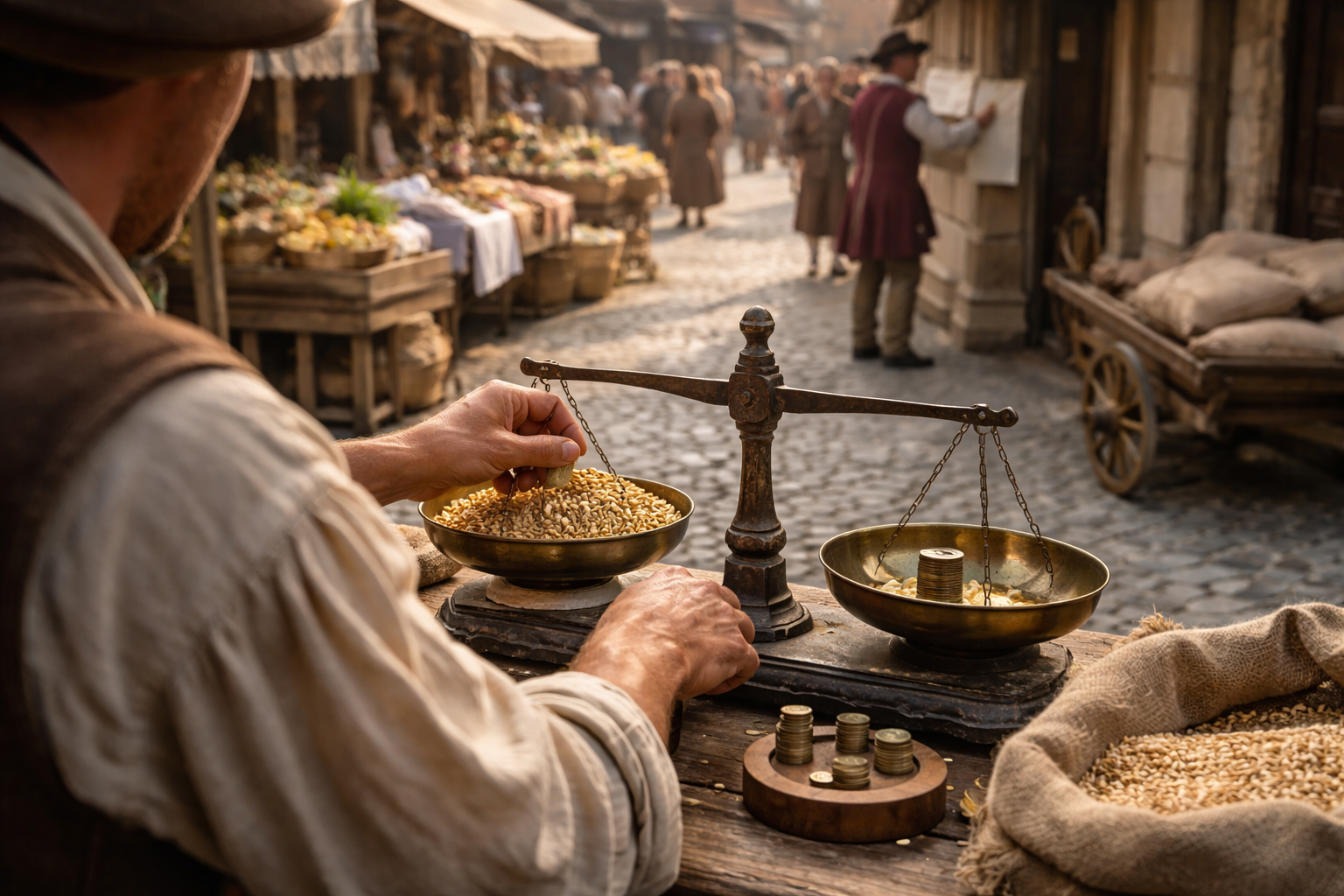
Marketplaces often occupied central squares, crossroads, or linear streets that acted as physical anchors for town life. Stall layouts, permanent shops, and routes for carts and livestock created predictable flows that traders and residents learned to navigate. Local authorities used market charters, tolls, and regulations to manage space, maintain order, and extract revenue. These arrangements influenced where people lived, where goods were stored, and how public buildings oriented toward trade.

  • Market features commonly included weighing stations, fixed stalls, and designated days for specific goods.
  • Proximity to marketplaces boosted property values and encouraged mixed-use buildings combining homes and workshops.

In short, the marketplace was both an economic engine and a planning device. Its physical form shaped everyday interactions across the town.

Work Rhythms and Economic Seasonality

Daily and seasonal rhythms structured labor in market towns, with early morning bustle, midday lulls, and evening clearances marking the working day. Artisans balanced production schedules with market days, while itinerant traders timed journeys to coincide with fairs and peak demand. Agricultural cycles introduced pronounced seasonality, concentrating activity during harvests and fairs when surplus goods flowed into towns. These temporal patterns created a shared sense of time and enabled coordination among diverse economic actors.

Consequently, timekeeping and scheduling became civic concerns as much as personal habits. Towns developed informal norms and formal regulations to synchronize commerce and reduce friction.

Social Life, Regulation, and Ritual

Markets were social stages where news circulated, relationships were formed, and civic authority was visible through proclamations and dispute resolution. Guilds, municipal officers, and informal networks regulated quality, prices, and access while ritual events—religious feasts, processions, and market fairs—reinforced collective identity. Everyday encounters between buyers and sellers fostered trust and reputational systems that underpinned credit and long-term exchange. Conflicts over space or trade often prompted negotiation and legal responses that shaped municipal governance.

  • Key participants included guild masters, market clerks, itinerant sellers, and local consumers.
  • Public rituals and punishments displayed authority and reaffirmed community norms.

These intertwined social and regulatory practices made marketplaces central to civic life. Their legacy persists in modern urban patterns of commerce and public space.

Conclusion

Marketplaces structured both the material layout and the temporal rhythms of town life, binding economic activity to social order. Through regulation, ritual, and daily routines, markets produced shared spaces that supported community cohesion. Appreciating this combination of commerce and culture helps explain the enduring shape of historic towns.
Previous Post

Urban Borders and Everyday Interaction in Old Towns

Next Post

Balancing Fact and Narrative in Compelling Biographies

Related Posts

Urban Borders and Everyday Interaction in Old Towns
History

Urban Borders and Everyday Interaction in Old Towns

February 16, 2026
Wayside Inns and Markets: Social Infrastructure of Old Roads
History

Wayside Inns and Markets: Social Infrastructure of Old Roads

February 11, 2026
Urban Marketplaces: Centers of Commerce, Culture, and Power
History

Urban Marketplaces: Centers of Commerce, Culture, and Power

February 11, 2026
The Infrastructure of Preindustrial Supply and Movement
History

The Infrastructure of Preindustrial Supply and Movement

February 6, 2026
Next Post
Balancing Fact and Narrative in Compelling Biographies

Balancing Fact and Narrative in Compelling Biographies

Search..

No Result
View All Result

Recent Articles

Charting Lives: Methods for Balanced Biographical Narrative

Charting Lives: Methods for Balanced Biographical Narrative

February 17, 2026
Balancing Fact and Narrative in Compelling Biographies

Balancing Fact and Narrative in Compelling Biographies

February 17, 2026
Living and Trading: The Social Geography of Market Towns

Living and Trading: The Social Geography of Market Towns

February 16, 2026
Urban Borders and Everyday Interaction in Old Towns

Urban Borders and Everyday Interaction in Old Towns

February 16, 2026
Structuring Time: A Practical Guide to Timeline Storytelling

Structuring Time: A Practical Guide to Timeline Storytelling

February 15, 2026

Subscribe Us

By clicking submit, I authorize History Ours and its affiliated companies to: (1) use, sell, and share my information for marketing purposes, including cross-context behavioral advertising, as described in our Terms of Service and Privacy Policy, (2) supplement the information that I provide with additional information lawfully obtained from other sources, like demographic data from public sources, interests inferred from web page views, or other data relevant to what might interest me, like past purchase or location data, (3) contact me or enable others to contact me by email with offers for goods and services from any category at the email address provided, and (4) retain my information while I am engaging with marketing messages that I receive and for a reasonable amount of time thereafter. I understand I can opt out at any time through an email that I receive, or by clicking here

Subscribe To Our Newsletter

By clicking submit, I authorize History Ours and its affiliated companies to: (1) use, sell, and share my information for marketing purposes, including cross-context behavioral advertising, as described in our Terms of Service and Privacy Policy, (2) supplement the information that I provide with additional information lawfully obtained from other sources, like demographic data from public sources, interests inferred from web page views, or other data relevant to what might interest me, like past purchase or location data, (3) contact me or enable others to contact me by email with offers for goods and services from any category at the email address provided, and (4) retain my information while I am engaging with marketing messages that I receive and for a reasonable amount of time thereafter. I understand I can opt out at any time through an email that I receive, or by clicking here.

© 2026 History Ours | All Rights Reserved

  • Contact Us
  • Privacy Policy
  • Terms of Service
  • Unsubscribe
  • Privacy Choices
  • Contact Us
  • Privacy Policy
  • Terms of Service
  • Unsubscribe
  • Privacy Choices

© 2026 History Ours | All Rights Reserved

No Result
View All Result
  • Home
  • History
  • Biographies
  • Eras
  • Regions
  • Timeline

© 2026 History Ours | All Rights Reserved

Skip to content
Open toolbar Accessibility Tools

Accessibility Tools

  • Increase TextIncrease Text
  • Decrease TextDecrease Text
  • GrayscaleGrayscale
  • High ContrastHigh Contrast
  • Negative ContrastNegative Contrast
  • Light BackgroundLight Background
  • Links UnderlineLinks Underline
  • Readable FontReadable Font
  • Reset Reset