Uncover History’s Secrets with Daily Updates!
Daily News Entertainment
  • Home
  • History
  • Biographies
  • Eras
  • Regions
  • Timeline
No Result
View All Result
History Ours
  • Home
  • History
  • Biographies
  • Eras
  • Regions
  • Timeline
No Result
View All Result
History Ours
No Result
View All Result

Bahis vergilendirmesi Türkiye’de devlet kontrolündedir, ancak yeni açılan casino siteleri gibi uluslararası sitelerde oyuncular kendi kazançlarını yönetir.

Avrupa’da lisanslı operatörlerin %78’i sorumlu oyun programlarına yatırım yapmaktadır; bu, bettilt giriş için de geçerlidir.

Home History

Urban Borders and Everyday Interaction in Old Towns

in History
Urban Borders and Everyday Interaction in Old Towns

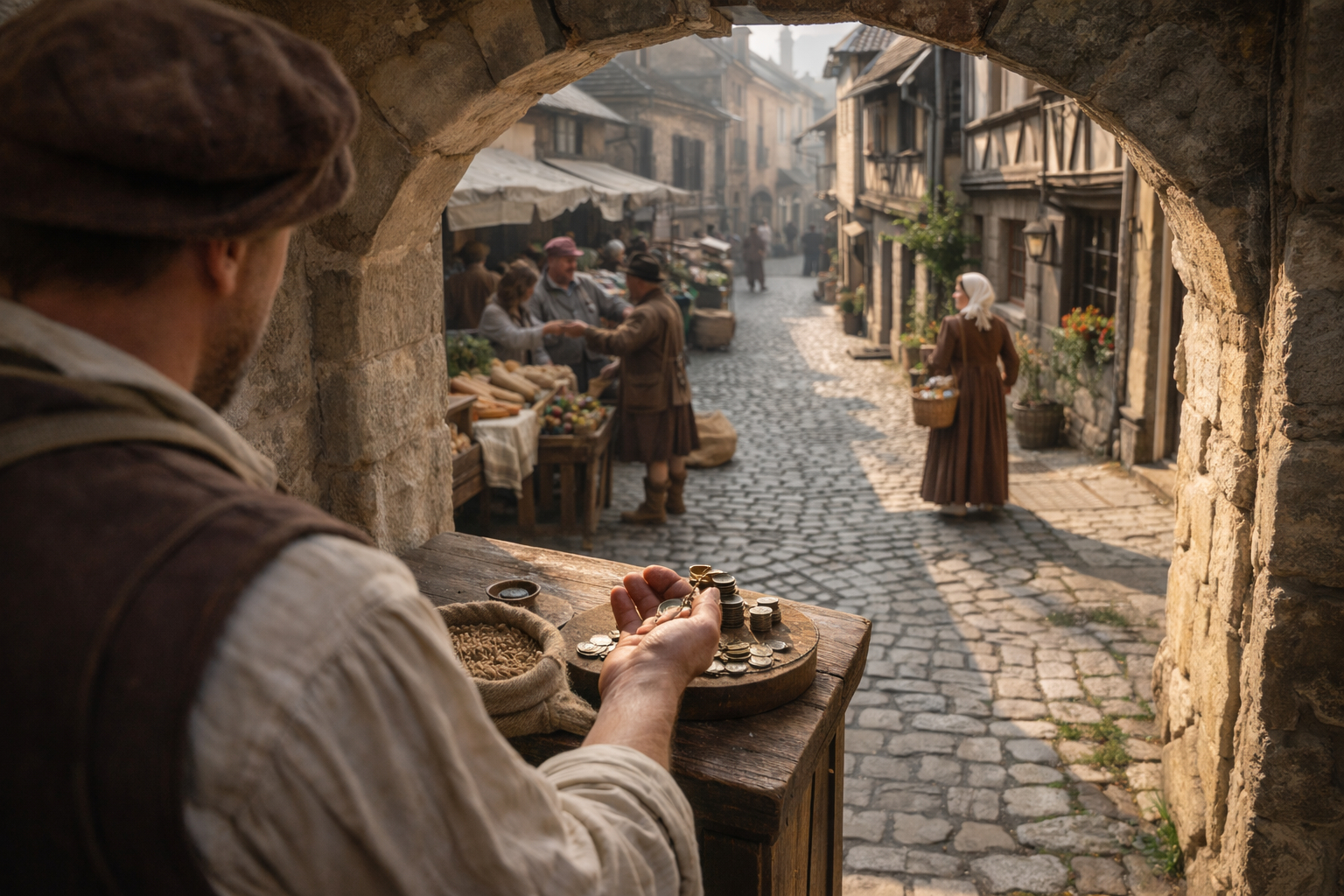
In historic towns, borders were rarely fixed lines on a map; they were lived and negotiated every day. Streets, gates, marketplaces, and parish boundaries shaped patterns of movement and sets of expectations for behaviour. Residents and visitors alike learned where certain exchanges were acceptable and where authority tightened or relaxed. Understanding these micro-geographies reveals how communities organized work, family life, and public order.

Defining Urban Borders

Urban borders took many forms: legal jurisdictions, natural features, and socially policed thresholds such as bridges or market entrances. These limits structured who paid tolls, where goods could be sold, and which officials had the right to intervene. Boundaries could be contested in court, negotiated at communal meetings, or enforced informally by neighbors. The character of a border often reflected the town’s economic role and its relationship with surrounding countryside.

Close observation of records and maps shows how mutable these borders were in practice. Rather than static edges, they functioned as zones of interaction where rules could be bent or reinforced according to circumstance.

Movement, Routes, and Daily Commerce

Routes through towns — alleyways, main thoroughfares, and market paths — shaped daily routines and commercial opportunities. Traders, craftsmen, and domestic workers followed established circuits that linked production spaces with consumption points. These patterns produced predictable encounters and a tacit understanding of where particular activities belonged. The flow of people and goods also informed patterns of surveillance and policing.

Understanding these routes helps explain why some streets became specialized for certain trades while others remained mixed-use. Over time, routine movements solidified into the spatial grammar of town life.

Public Rituals, Authority, and Informal Order

Public rituals such as weekly markets, religious processions, and fair days reinforced social norms and helped negotiate competing claims on space. Officials used ceremonies to mark authority, while everyday practices — noise, dispute resolution, and mutual aid — created informal mechanisms of control. These overlapping systems balanced formal sanctions with community enforcement. The result was a layered order that could be flexible enough to accommodate change yet robust enough to sustain daily life.

Attention to ritual and routine reveals how power was exercised through presence and practice rather than solely through proclamation. Small acts of cooperation often mattered as much as formal decrees.

Conclusion

Historic urban borders were active structures that shaped social interaction and economic practice. They emerged through repeated routines, negotiated authority, and shared understandings of space. Studying these dynamics offers insight into how communities made cities livable and governable over time.

Previous Post

Structuring Time: A Practical Guide to Timeline Storytelling

Next Post

Living and Trading: The Social Geography of Market Towns

Related Posts

Living and Trading: The Social Geography of Market Towns
History

Living and Trading: The Social Geography of Market Towns

February 16, 2026
Wayside Inns and Markets: Social Infrastructure of Old Roads
History

Wayside Inns and Markets: Social Infrastructure of Old Roads

February 11, 2026
Urban Marketplaces: Centers of Commerce, Culture, and Power
History

Urban Marketplaces: Centers of Commerce, Culture, and Power

February 11, 2026
The Infrastructure of Preindustrial Supply and Movement
History

The Infrastructure of Preindustrial Supply and Movement

February 6, 2026
Next Post
Living and Trading: The Social Geography of Market Towns

Living and Trading: The Social Geography of Market Towns

Search..

No Result
View All Result

Recent Articles

Charting Lives: Methods for Balanced Biographical Narrative

Charting Lives: Methods for Balanced Biographical Narrative

February 17, 2026
Balancing Fact and Narrative in Compelling Biographies

Balancing Fact and Narrative in Compelling Biographies

February 17, 2026
Living and Trading: The Social Geography of Market Towns

Living and Trading: The Social Geography of Market Towns

February 16, 2026
Urban Borders and Everyday Interaction in Old Towns

Urban Borders and Everyday Interaction in Old Towns

February 16, 2026
Structuring Time: A Practical Guide to Timeline Storytelling

Structuring Time: A Practical Guide to Timeline Storytelling

February 15, 2026

Subscribe Us

By clicking submit, I authorize History Ours and its affiliated companies to: (1) use, sell, and share my information for marketing purposes, including cross-context behavioral advertising, as described in our Terms of Service and Privacy Policy, (2) supplement the information that I provide with additional information lawfully obtained from other sources, like demographic data from public sources, interests inferred from web page views, or other data relevant to what might interest me, like past purchase or location data, (3) contact me or enable others to contact me by email with offers for goods and services from any category at the email address provided, and (4) retain my information while I am engaging with marketing messages that I receive and for a reasonable amount of time thereafter. I understand I can opt out at any time through an email that I receive, or by clicking here

Subscribe To Our Newsletter

By clicking submit, I authorize History Ours and its affiliated companies to: (1) use, sell, and share my information for marketing purposes, including cross-context behavioral advertising, as described in our Terms of Service and Privacy Policy, (2) supplement the information that I provide with additional information lawfully obtained from other sources, like demographic data from public sources, interests inferred from web page views, or other data relevant to what might interest me, like past purchase or location data, (3) contact me or enable others to contact me by email with offers for goods and services from any category at the email address provided, and (4) retain my information while I am engaging with marketing messages that I receive and for a reasonable amount of time thereafter. I understand I can opt out at any time through an email that I receive, or by clicking here.

© 2026 History Ours | All Rights Reserved

  • Contact Us
  • Privacy Policy
  • Terms of Service
  • Unsubscribe
  • Privacy Choices
  • Contact Us
  • Privacy Policy
  • Terms of Service
  • Unsubscribe
  • Privacy Choices

© 2026 History Ours | All Rights Reserved

No Result
View All Result
  • Home
  • History
  • Biographies
  • Eras
  • Regions
  • Timeline

© 2026 History Ours | All Rights Reserved

Skip to content
Open toolbar Accessibility Tools

Accessibility Tools

  • Increase TextIncrease Text
  • Decrease TextDecrease Text
  • GrayscaleGrayscale
  • High ContrastHigh Contrast
  • Negative ContrastNegative Contrast
  • Light BackgroundLight Background
  • Links UnderlineLinks Underline
  • Readable FontReadable Font
  • Reset Reset