Africa’s coastal kingdoms played a powerful role in shaping regional and global history through trade, diplomacy, and maritime strength. Stretching along the continent’s eastern and western shores, these kingdoms built thriving economies supported by seafaring traditions and strategic coastal locations. Their influence reached far beyond their borders, connecting Africa to the Middle East, Europe, and Asia through extensive trade networks. This era of maritime activity showcases Africa’s dynamic role in world history and the sophistication of its coastal cultures.
Strategic Coastal Powerhouses
Many African coastal kingdoms emerged in regions where geography naturally supported maritime success. Access to sheltered harbors, navigable rivers, and open ocean routes enabled these societies to establish prosperous centers of trade. Kingdoms such as Kilwa, Benin, and Great Zimbabwe leveraged their coastal advantages to control important commercial corridors, making them essential hubs for goods and cultural exchange.
Thriving Trade Networks and Wealth
Maritime trade was central to the growth of these kingdoms. Gold, ivory, spices, textiles, and precious metals moved through bustling ports, attracting merchants from distant lands. Coastal cities developed into cosmopolitan societies where African, Arab, Indian, and later European influences blended. This exchange fostered economic strength and contributed to architectural, artistic, and technological innovations that defined the wealth of these societies.
Maritime Skills and Navigational Expertise
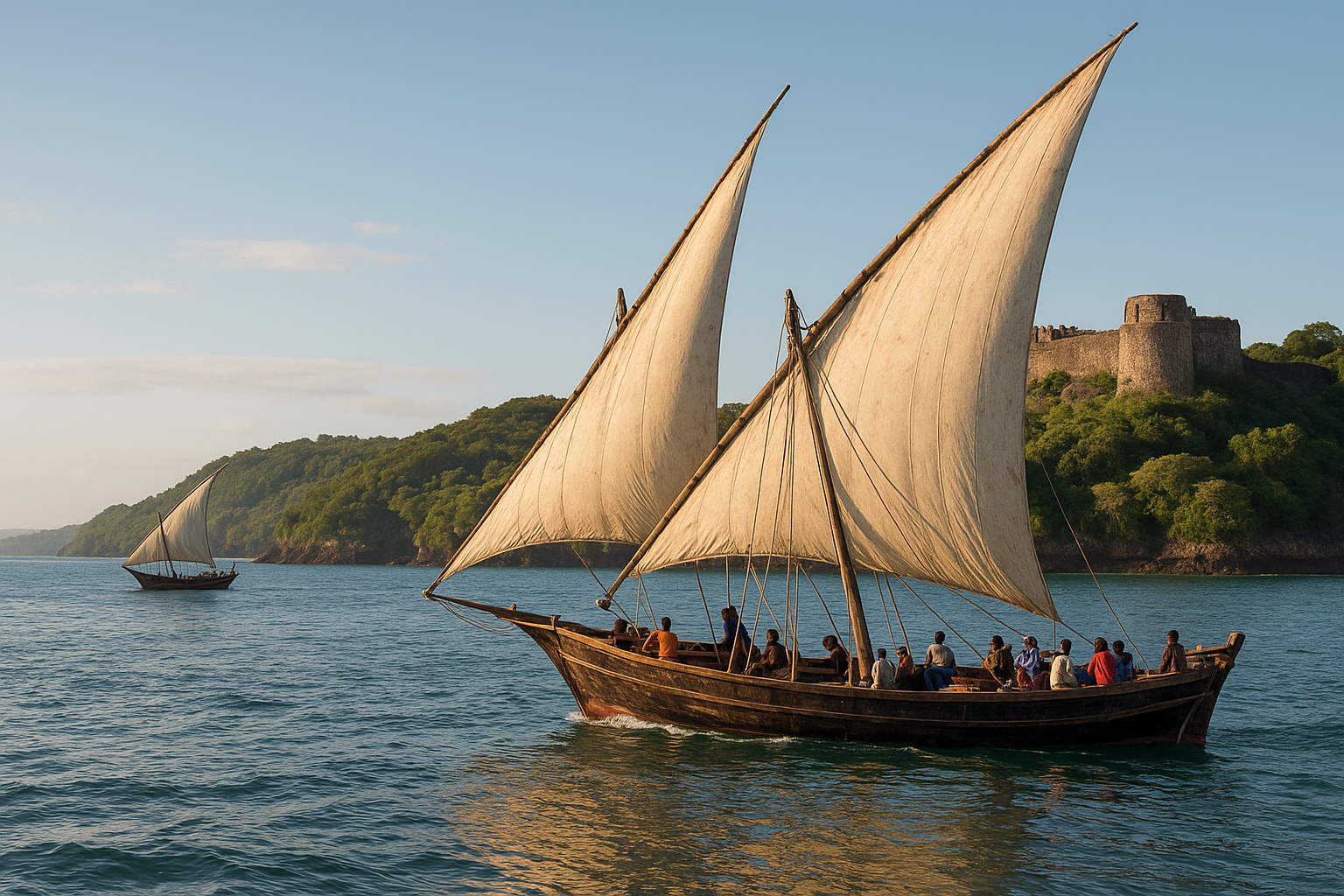
African sailors were highly skilled navigators who mastered regional currents, seasonal winds, and open-sea travel. Their knowledge allowed them to maintain long-distance trade routes across the Indian Ocean and the Atlantic. Shipbuilding techniques varied across regions but reflected a deep understanding of ocean travel. From dhows with triangular sails to sturdy wooden vessels crafted for regional trade, maritime engineering played a vital role in shaping coastal power.
Cultural Exchange and Global Connections
As coastal kingdoms strengthened their maritime presence, they facilitated cultural exchange on a global scale. Foreign merchants brought new ideas, religious traditions, and technologies that blended with local customs. Swahili culture, for example, emerged as a vibrant fusion of African, Arab, and Persian influences along East Africa’s coast—showcasing how maritime connections shaped identity, language, and daily life. These interactions created diverse societies with far-reaching global ties.
Conclusion
Africa’s coastal kingdoms played a significant role in global maritime history through their strategic locations, thriving trade networks, and seafaring innovations. Their naval strength and economic influence shaped regional power dynamics and connected Africa to distant civilizations. The legacy of these kingdoms highlights the continent’s rich maritime heritage and the impact of coastal societies on world history.