
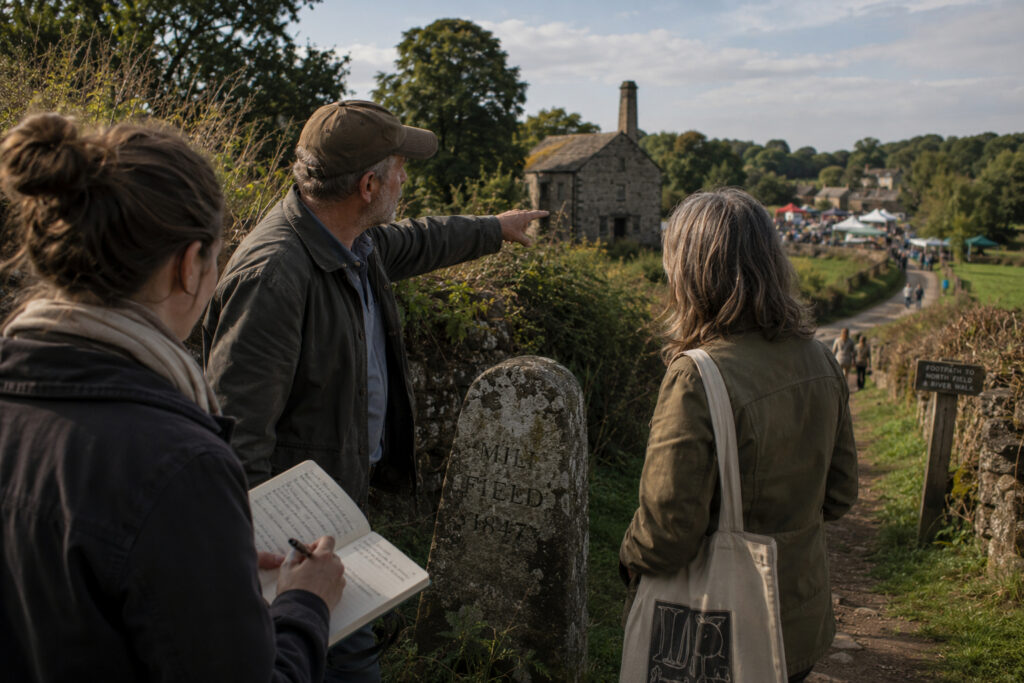
Regions are built in the slow work of everyday life, not only by formal borders or grand events. Local routines, markets, roads, and rituals define how people move and belong within a place. Studying these practices reveals durable patterns of identity and connection that formal histories often miss. This approach foregrounds ordinary actors and material traces as sources for regional history. It calls for methods that read small-scale interactions alongside archival records.
Historical Layers and Local Practices
Historical layers emerge where daily practices meet shifting authorities and economies. Farm paths, parish registers, and market rites accumulate meanings that people use to orient themselves. These traces create overlapping claims of belonging that cut across administrative lines. Looking at such layers helps explain why regions persist despite political upheaval. That persistence often rests on practices passed through families and local institutions.
Attention to routine practices re-centers the people who reproduce regional life. It also opens new archives in the landscape and in household records. Such perspectives challenge top-down narratives of regional change.
Markets, Roads, and Daily Movement
Mobility shapes regions: where people go to sell, worship, or seek work creates habitual connections. Roads and rivers are not neutral infrastructure but channels of exchange and cultural circulation. Markets set calendars and social rhythms that knit towns and countryside into networks. Seasonal labor and merchant routes often leave lasting cultural links between places. Transportation improvements can reconfigure these networks, but social ties often adapt more slowly.
- Market fairs and weekly trading links.
- Commuting and seasonal migration patterns.
These material routes show how economic and social life produce coherent regions. Studying movement helps map informal boundaries that matter to residents. Policy and planning that ignore everyday routes risk misreading local geographies.
Material Traces and Memory
Material culture—buildings, hedgerows, field boundaries—records choices and adaptations over generations. Oral stories and local rituals anchor those objects in community memory and practice. Together they form an accessible archive for reconstructing regional identities. Small material changes, like new porches or abandoned mills, mark transitions in local life.
Interpreting these traces requires combining maps, interviews, and close reading of landscapes. Such work yields more nuanced histories of place that foreground continuity and change. Collaboration with local communities enriches interpretation and stewardship of these places.
Conclusion
By attending to everyday practices and material traces historians can better understand how regions are made and remade. This focus emphasizes durable social processes rather than singular political acts. It offers a more grounded, inclusive account of regional history and local belonging that matters to residents.