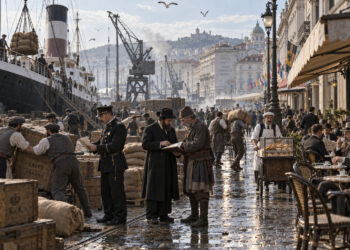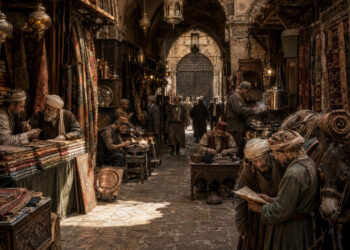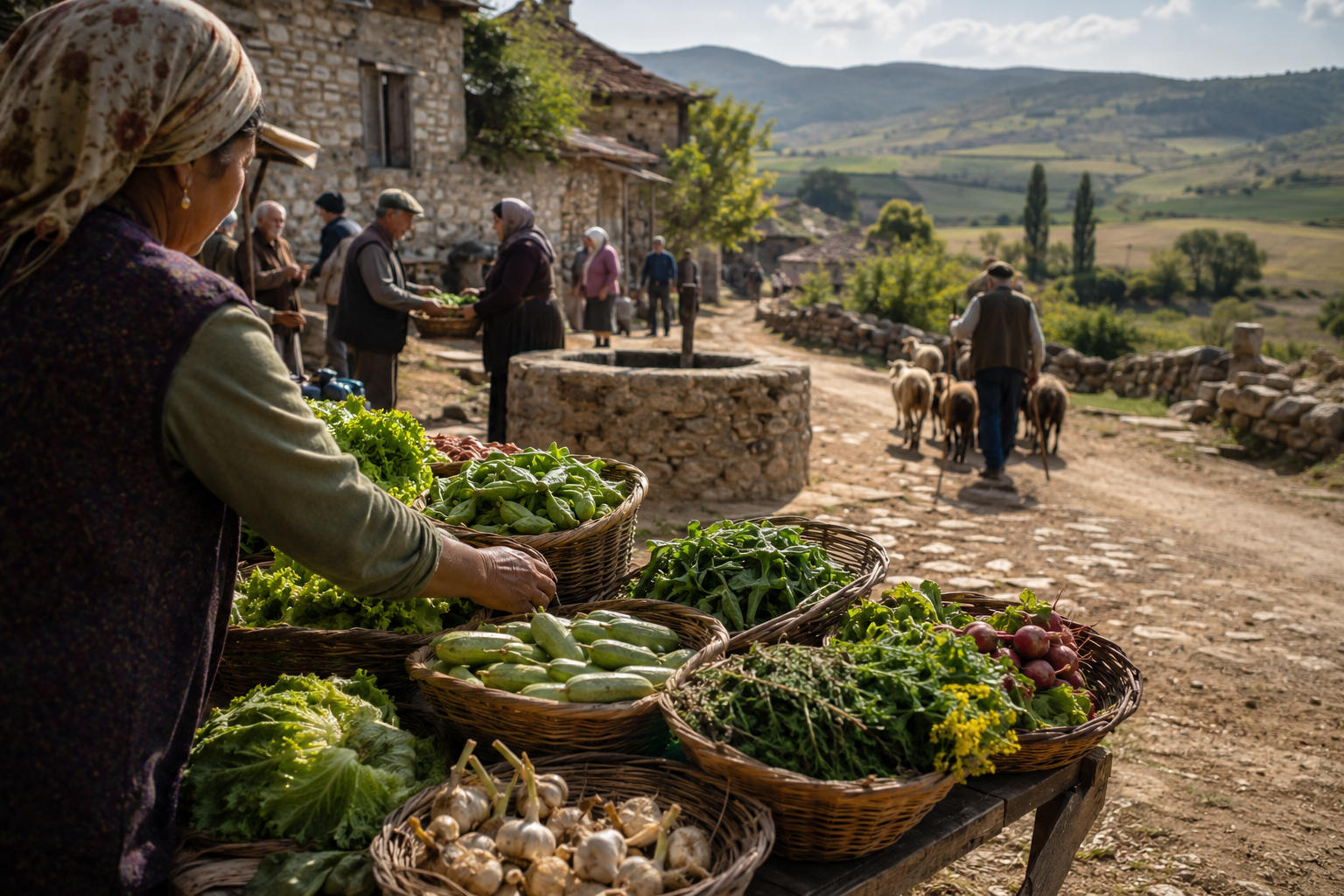
Regions are not only administrative outlines on a map; they emerge from repeated practices and the physical settings that enable them. Everyday routines — markets, paths, festivals, and fields — accumulate meaning and create shared expectations about place. Over years and generations these ordinary acts stitch landscapes together into recognizable regions. This piece explores how material places and daily practices combine to shape regional histories and identities.
Layers of Place and Practice
Places gather layers of use and memory that reveal how regions take shape. A road becomes more than transit when vendors set up stalls each week, when seasonal pilgrims follow its line, or when stories anchor it to local identity. These patterns show how routine activities inscribe the land with social meaning and help residents recognize a common past. Looking at layered practices clarifies why some boundaries feel natural even when they are historically contingent.
Examining such layers requires attention to both material traces and repeated behaviors. Material features like wells, market squares, and crossroads often act as nuclei for lasting regional practices. Even modest infrastructures can channel social life in ways that endure beyond political change.
Sources for Reading Regional Life
Reconstructing regional dynamics relies on a wide range of sources that capture everyday life. Local registers, oral histories, folk songs, and building plans each illuminate different facets of how people used space. Combining these sources helps historians track continuity and transformation across decades and centuries. Attention to small-scale records often reveals connections that larger state documents miss.
Archival fragments and material remains complement one another and reduce the risk of overgeneralizing from single sources. Cross-referencing household inventories with maps or travelers’ accounts can show how domestic routines related to wider regional economies.
Movement, Markets, and Memory
Mobility ties places into regional networks and shapes collective memory in distinctive ways. Seasonal labor, trade circuits, and ritual journeys circulate people, goods, and ideas, making regions porous yet recognizable. Markets act as recurring nodes that create predictable rhythms and shared calendars across settlements. Over time these flows build a sense of common interest and mutual dependence among communities.
Memory practices — commemorations, place names, and reused buildings — cement connections formed by movement and exchange. They help translate everyday interactions into durable narratives about belonging and difference.
Conclusion
Regions form where routines encounter settings that sustain repeated action, and where people remember those encounters collectively. Paying attention to everyday places, movement, and local records reveals how regional identities are made and remade over time. This approach highlights the practical roots of regional history and the modest traces that endure.