
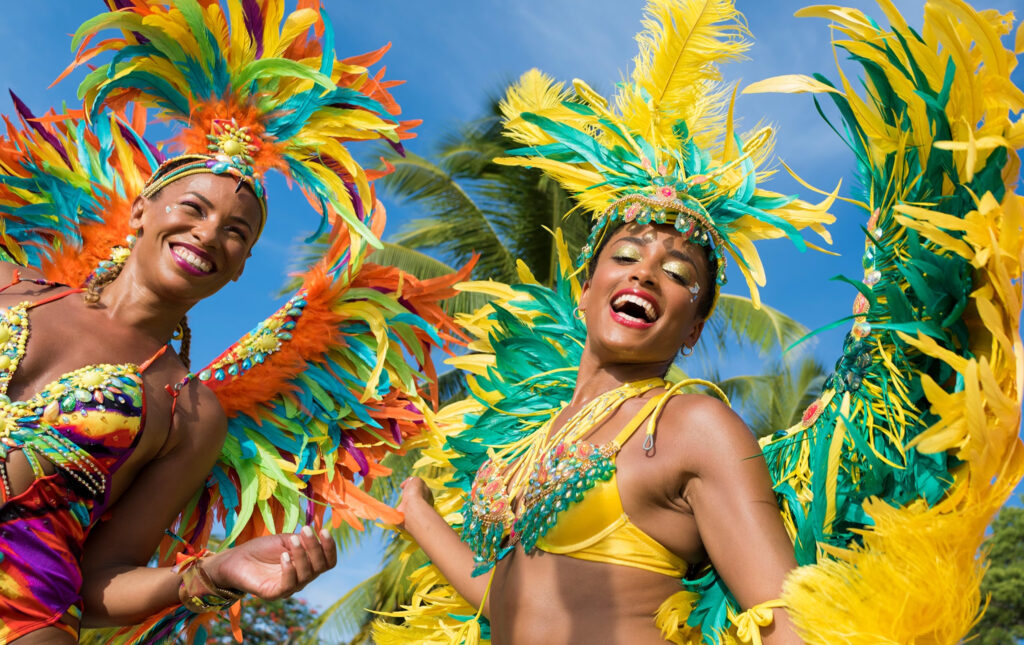
The Caribbean is a region shaped by powerful forces of conquest, resistance, and creativity. Its islands and coastal societies carry histories marked by colonial domination, forced migration, and cultural survival. Yet out of these struggles emerged vibrant cultures defined by resilience, expression, and a deep longing for freedom. The Caribbean story is not only about what was taken, but also about what was created in response. Understanding this history reveals how oppression and resistance together forged a rich and enduring regional identity.
Colonialism and the Reshaping of the Caribbean
European colonial powers transformed the Caribbean into a strategic and economic hub through plantation systems built on enslaved labor. Indigenous populations were displaced or devastated, while millions of Africans were forcibly brought to the region. Colonial rule imposed rigid social hierarchies and extracted wealth at immense human cost. These systems reshaped land ownership, economies, and political power, leaving legacies that continue to influence Caribbean societies today.
Cultural Survival and Creative Resistance
Despite severe oppression, enslaved and colonized peoples preserved and reshaped cultural traditions. African, Indigenous, and European influences blended into new languages, religions, music, and cuisines. Oral storytelling, rhythm, and ritual became tools of survival and resistance. Cultural expression offered both identity and quiet defiance, allowing communities to maintain humanity in dehumanizing conditions. Much of what defines Caribbean culture today was born from this creative resilience.
The Struggle for Freedom and Self-Determination
The Caribbean played a central role in global movements toward freedom. Revolts, uprisings, and organized resistance challenged colonial authority and slavery itself. These struggles were not only physical but ideological, asserting the right to autonomy and dignity. Over time, movements for emancipation and independence reshaped political landscapes, even as economic dependence often persisted. Freedom in the Caribbean has been an ongoing pursuit rather than a single moment.
Identity After Empire
Post-colonial Caribbean identity reflects both continuity and change. Nations navigated independence while confronting inherited inequalities and external pressures. Writers, artists, and thinkers explored questions of belonging, race, and memory, shaping new narratives of self-definition. Migration further expanded Caribbean identity beyond geographic borders, creating global diasporas tied together by shared history and culture.
The Caribbean Today
Today, the Caribbean stands as a symbol of cultural vitality and historical complexity. Music, literature, and celebration continue to reflect themes of survival and joy. While the past remains present, Caribbean societies actively reinterpret their histories, using culture as a foundation for future freedom and expression.
Conclusion
The Caribbean’s history is a powerful story of colonialism confronted by culture and the enduring pursuit of freedom. Through resistance and creativity, its people transformed hardship into identity. This legacy continues to shape a region defined not by conquest alone, but by resilience and cultural strength.