
The Viking Age stands as one of history’s most dynamic and adventurous eras. Known for their fierce raids, impressive seafaring skills, and expansive trade networks, the Vikings shaped cultures far beyond their Scandinavian homelands. Their ability to navigate harsh seas, build strategic settlements, and adapt to new environments made them both feared and respected across Europe and beyond.
While popular culture often focuses on their warrior reputation, Vikings were far more complex. They were skilled craftsmen, farmers, merchants, and explorers whose influence can still be seen in language, culture, and global trade routes today. Their spirit of curiosity and resilience defined an era filled with movement, ambition, and discovery.
Raiders Who Changed History
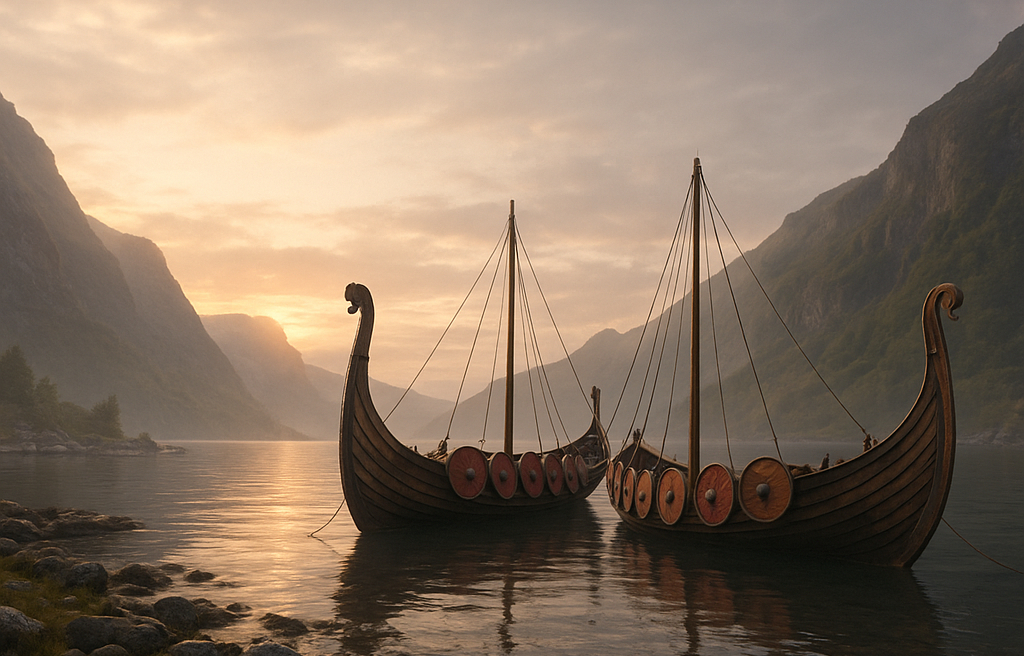
Viking raids left a strong imprint on medieval Europe. Using fast, shallow-draft longships, they attacked coastal towns and monasteries with speed and precision. These raids disrupted political structures and forced kingdoms to strengthen defenses. While their attacks were intense, they also opened new connections between regions — shaping diplomacy, alliances, and military strategy.
Thriving Traders and Skilled Merchants
Beyond raiding, Vikings were exceptional traders. They built vast trade networks that stretched from the North Atlantic to the Middle East. Exchanging furs, timber, glass, silk, spices, and metals, they connected distant civilizations and boosted cultural exchange. Their marketplaces were vibrant hubs where languages, ideas, and goods mixed freely.
Explorers Who Expanded the World Map
Vikings were some of the greatest explorers of their time. They reached Iceland, Greenland, and even North America long before other European expeditions. Their navigation techniques, shipbuilding expertise, and courage allowed them to travel thousands of miles across unpredictable seas. These voyages expanded geographic knowledge and created lasting settlements.
Masters of Craftsmanship and Culture
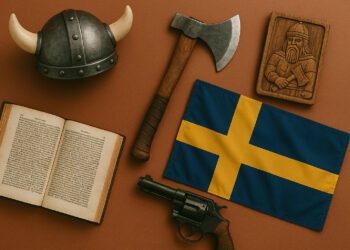
Viking art and craftsmanship revealed a sophisticated culture. Intricate carvings, metalwork, textiles, and wooden structures showcased impressive skill. Their stories, myths, and runic inscriptions added richness to their identity, leaving behind cultural treasures that still fascinate historians today.
Conclusion
The Viking Age was defined by ambition, movement, and innovation. Vikings were not only raiders but also traders, explorers, and artisans whose influence reshaped continents. Their daring spirit and cultural contributions continue to capture the imagination, reminding us of a time when the world felt vast, wild, and ready to be discovered.