

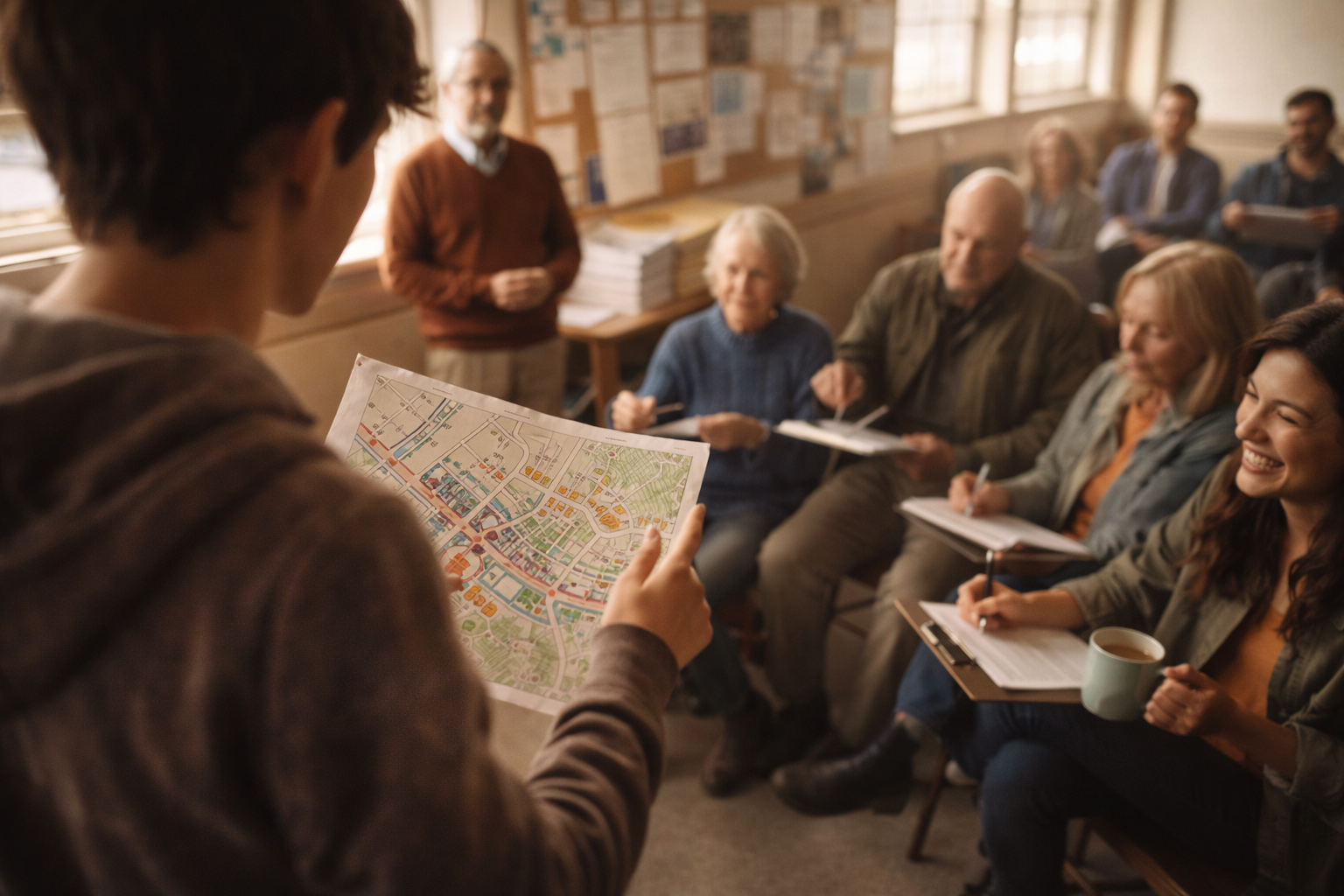
In many towns a single educator can alter the course of community life without fanfare. This profile traces the career of one such teacher whose steady commitment to civic education produced ripple effects across generations. The story emphasizes practical classroom strategies, relationships with families, and initiatives that extended learning beyond school walls. It highlights how consistent local action can leave a lasting public legacy.
Early life and classroom beginnings
The teacher began working in modest circumstances, driven by a belief that informed citizens come from classrooms that teach critical thinking and civic habits. Early lessons combined history, local governance, and project-based work that invited students to observe and participate in community meetings. Colleagues recall a focus on listening skills, respectful debate, and the habit of following issues through multiple weeks. Those formative years shaped a pedagogy rooted in patience and practical engagement.
Over time, this approach attracted attention from parents and other educators who valued tangible outcomes. Enrolling students in local events became a hallmark of the classroom, helping abstract concepts feel immediate and relevant. The teacher’s early career thus set the tone for broader influence.
Teaching philosophy and methods
The core philosophy combined civic knowledge with transferable skills such as research, public speaking, and collaborative problem solving. Lessons were structured around real-world questions, from analyzing municipal budgets to organizing neighborhood cleanups, and students learned to document their work. The teacher emphasized reflection, asking learners to consider the consequences of decisions and to write short reports for peers and community members. Assessment focused on participation and tangible community contributions rather than only tests.
Classroom routines reinforced responsibility and sustained engagement; students learned to prepare agendas, take minutes, and present findings. These practices demystified public processes and gave young people confidence to engage in civic settings.
Community impact and legacy
Beyond the classroom, the teacher forged partnerships with local councils, libraries, and small civic groups to create recurring projects that involved students and residents alike. Alumni often cite those early experiences as pivotal in shaping their careers and volunteer commitments, and several community initiatives trace their origins to student proposals. The cumulative effect was a quieter, steadier cultivation of civic skills across decades rather than a single dramatic program.
Documenting this influence shows how localized, sustained educational practice can reinforce democratic habits in ordinary settings. The legacy persists in community routines and in individuals who continue to prioritize public participation.
Conclusion
This teacher’s story illustrates how patient, practice-oriented education builds civic capacity over time. Small, repeated engagements can produce far-reaching effects without public acclaim. Recognizing and supporting such work is essential for healthy, resilient communities.