Uncover History’s Secrets with Daily Updates!
Daily News Entertainment
  • Home
  • History
  • Biographies
  • Eras
  • Regions
  • Timeline
No Result
View All Result
History Ours
  • Home
  • History
  • Biographies
  • Eras
  • Regions
  • Timeline
No Result
View All Result
History Ours
No Result
View All Result
Home Biographies

Contextualizing Lives: Strategies for Nuanced Biographical Writing

in Biographies
Contextualizing Lives: Strategies for Nuanced Biographical Writing

We write biographies to recover individual lives and to understand the worlds they inhabited.
Good biographical practice balances evidence, context, and narrative restraint.
This post outlines practical strategies for researchers and writers who want to render lives with care.
It emphasizes methods for sourcing, organizing, and presenting a subject’s life responsibly.

Context and Environment

A life is always embedded in systems of family, work, law, and belief; tracing those structures clarifies motivations and limits. Start by mapping institutions, networks, and material conditions that shaped daily experience. Use demographic data, local records, and contemporary accounts to reconstruct the range of possibilities available to your subject. Resist the temptation to explain away decisions without situating them in time and place.

Context prevents anachronism and softens presentist judgments. It also opens avenues for understanding ordinary constraints and aspirations.

Sources and Silences

Primary sources anchor a biography, but every archive has gaps and biases. Evaluate letters, newspapers, official records, and oral histories for provenance, audience, and omissions. When sources disagree, document the disagreement and propose plausible readings rather than forcing a neat resolution. Pay attention to silences—who is absent from the record—and seek alternative repositories to fill those voids.

Careful source criticism builds credibility and exposes uncertainty honestly. This habit makes the narrative more trustworthy and richer.

Narrative and Ethics

Shaping a narrative requires choices about emphasis, pacing, and voice; make those choices transparent in method notes or introductions. Avoid sensationalism and respect privacy where relevant, especially with vulnerable figures or unresolved controversies. Balance the need for readable storytelling with fidelity to evidence, making clear when interpretation is conjectural. Use quotations and excerpts to let subjects’ own words illuminate their character.

Ethical storytelling sustains the reader’s trust and honors the subject’s complexity. It also encourages readers to engage critically with the past.

Structure and Voice

Decide early how you will frame the life: chronological, thematic, or episodic frames can each illuminate different aspects of experience. Vary pacing to foreground turning points while allowing quieter periods to provide texture and rest. Consider the narrative voice—first person through memoir fragments, third person with interpretive commentary, or a braided approach mixing documents and analysis. Keep chapter and section breaks purposeful so readers can follow transitions in time and theme. Always check that rhetorical moves are supported by evidence and do not overreach.

Draft with an eye toward revision, and be willing to reorder material for clarity and emphasis. Thoughtful structuring makes complex lives accessible without oversimplifying.

Conclusion

Good biographies combine rigorous research with modest interpretation.
They recognize both what can be known and what remains uncertain.
Practice, peer feedback, and responsible sourcing will improve your portrayal of lives.

Previous Post

Craft Guilds, Neighborhood Networks, and Urban Identity

Next Post

Principles for Writing Responsible and Lively Biographies

Related Posts

Mary Seacole: The Jamaican Nurse Who Went to War
Biographies

Mary Seacole: The Jamaican Nurse Who Went to War

October 30, 2026
Ada Lovelace: The Poet Who Helped Imagine Modern Computers
Biographies

Ada Lovelace: The Poet Who Helped Imagine Modern Computers

October 30, 2026
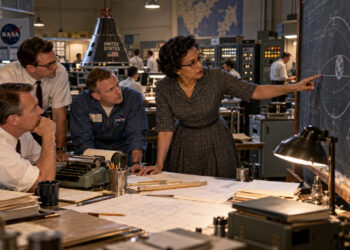
Katherine Johnson: The Numbers Behind America’s First Orbits
Biographies

Katherine Johnson: The Numbers Behind America’s First Orbits

October 25, 2026
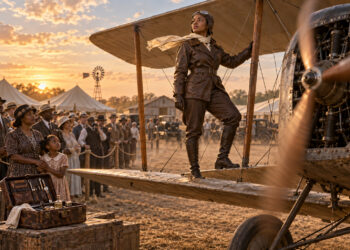
Bessie Coleman: How a Texan Manicurist Conquered the Skies
Biographies

Bessie Coleman: How a Texan Manicurist Conquered the Skies

October 25, 2026
Next Post
Principles for Writing Responsible and Lively Biographies

Principles for Writing Responsible and Lively Biographies

Search..

No Result
View All Result

Recent Articles

The Salon Era: How Conversation Shaped the Enlightenment

The Salon Era: How Conversation Shaped the Enlightenment

October 31, 2026
Tenement New York: Life in Vertical Slums, 1870–1910

Tenement New York: Life in Vertical Slums, 1870–1910

October 31, 2026
Mary Seacole: The Jamaican Nurse Who Went to War

Mary Seacole: The Jamaican Nurse Who Went to War

October 30, 2026
Ada Lovelace: The Poet Who Helped Imagine Modern Computers

Ada Lovelace: The Poet Who Helped Imagine Modern Computers

October 30, 2026
John Snow, the Broad Street Pump, and Cholera’s Fall

John Snow, the Broad Street Pump, and Cholera’s Fall

October 29, 2026

Subscribe Us

By clicking submit, I authorize History Ours and its affiliated companies to: (1) use, sell, and share my information for marketing purposes, including cross-context behavioral advertising, as described in our Terms of Service and Privacy Policy, (2) supplement the information that I provide with additional information lawfully obtained from other sources, like demographic data from public sources, interests inferred from web page views, or other data relevant to what might interest me, like past purchase or location data, (3) contact me or enable others to contact me by email with offers for goods and services from any category at the email address provided, and (4) retain my information while I am engaging with marketing messages that I receive and for a reasonable amount of time thereafter. I understand I can opt out at any time through an email that I receive, or by clicking here

Subscribe To Our Newsletter

By clicking submit, I authorize History Ours and its affiliated companies to: (1) use, sell, and share my information for marketing purposes, including cross-context behavioral advertising, as described in our Terms of Service and Privacy Policy, (2) supplement the information that I provide with additional information lawfully obtained from other sources, like demographic data from public sources, interests inferred from web page views, or other data relevant to what might interest me, like past purchase or location data, (3) contact me or enable others to contact me by email with offers for goods and services from any category at the email address provided, and (4) retain my information while I am engaging with marketing messages that I receive and for a reasonable amount of time thereafter. I understand I can opt out at any time through an email that I receive, or by clicking here.

© 2026 History Ours | All Rights Reserved

  • Contact Us
  • Privacy Policy
  • Terms of Service
  • Unsubscribe
  • Privacy Choices
  • Contact Us
  • Privacy Policy
  • Terms of Service
  • Unsubscribe
  • Privacy Choices

© 2026 History Ours | All Rights Reserved

No Result
View All Result
  • Home
  • History
  • Biographies
  • Eras
  • Regions
  • Timeline

© 2026 History Ours | All Rights Reserved

Skip to content
Open toolbar Accessibility Tools

Accessibility Tools

  • Increase TextIncrease Text
  • Decrease TextDecrease Text
  • GrayscaleGrayscale
  • High ContrastHigh Contrast
  • Negative ContrastNegative Contrast
  • Light BackgroundLight Background
  • Links UnderlineLinks Underline
  • Readable FontReadable Font
  • Reset Reset