
Uncover History’s Secrets with Daily Updates!
Daily News Entertainment
  • Home
  • History
  • Biographies
  • Eras
  • Regions
  • Timeline
No Result
View All Result
History Ours
  • Home
  • History
  • Biographies
  • Eras
  • Regions
  • Timeline
No Result
View All Result
History Ours
No Result
View All Result
Home Biographies

Building Nuance: A Practical Guide to Writing Biographies

in Biographies
Building Nuance: A Practical Guide to Writing Biographies

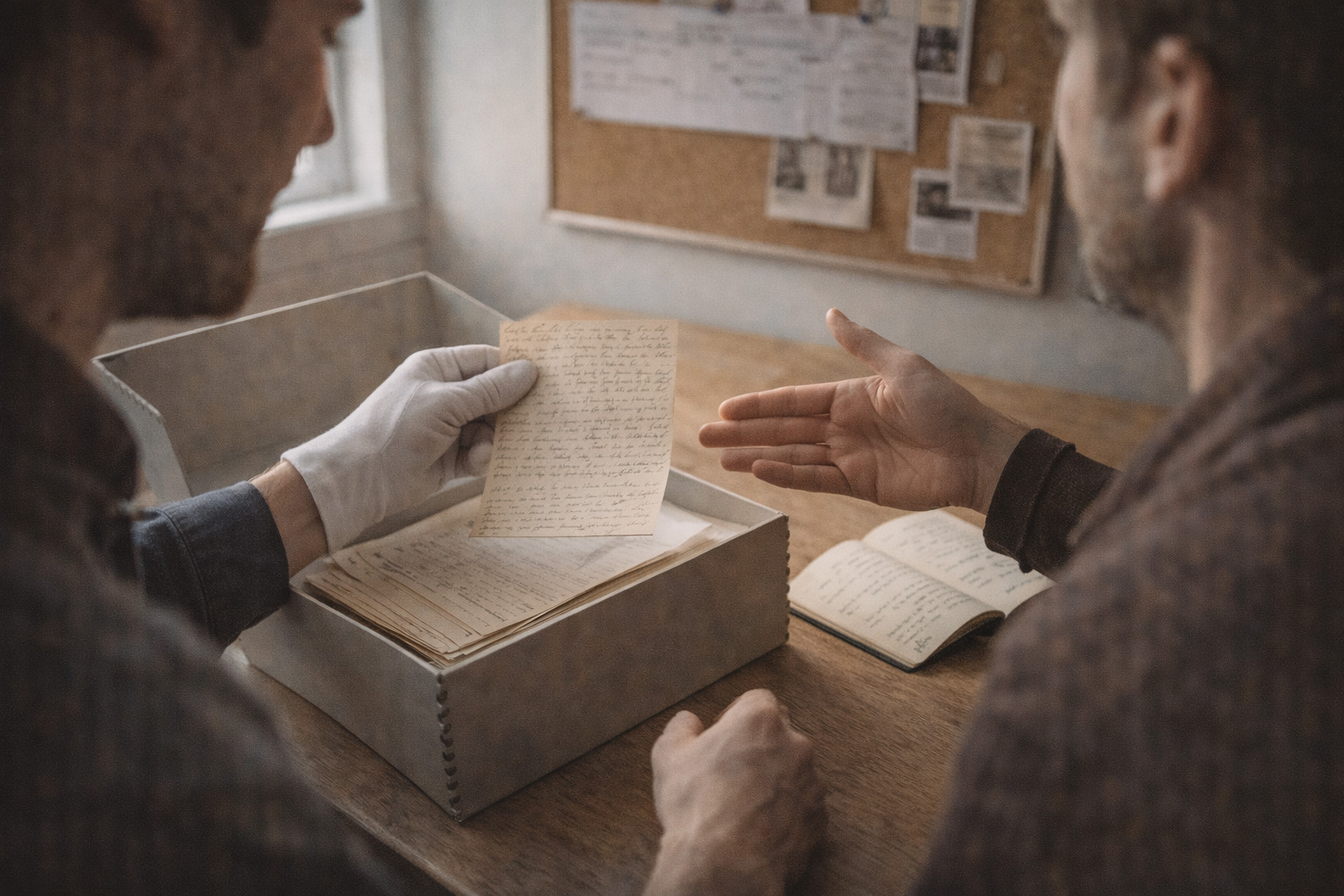
Writing a biography is an exercise in balancing evidence, interpretation, and empathy. Good biographical work shows how individual choices and wider contexts intersect without overstating certainty. This piece outlines practical steps for researchers and writers who want to reconstruct lives responsibly. The aim is to help you turn fragmentary records into narratives that feel true to a subject’s complexity.

Research Foundations

Start with a systematic survey of available sources and treat each item critically. Primary documents, correspondence, official records, and contemporary accounts each carry strengths and biases that must be weighed. Establish a clear timeline early to anchor interpretations and to identify genuine gaps. Cross-referencing and noting provenance will prevent accidental amplification of unreliable details.

Keep a research log to track hypotheses, dead ends, and provenance notes. This transparency supports later narrative choices and helps readers understand how conclusions were reached.

Interpreting Gaps and Silences

Absence of evidence is not evidence of absence, but silences are meaningful when contextualized. Consider social norms, literacy rates, institutional record-keeping, and the subject’s social networks to explain why some materials do not survive. Avoid filling gaps with speculation; instead, present plausible scenarios with qualifiers and evidence hierarchies. Where interpretation is necessary, make the reasoning explicit so readers can judge its strength.

  • Ask what kinds of records would likely exist and why they might be missing.
  • Use comparative examples from contemporaries to suggest context without asserting facts.

Documenting interpretive choices respects the reader and preserves ethical standards in biographical work. It also helps future researchers build on or revise your conclusions.

Narrative Techniques for Fairness

Balance readability with rigor by using storytelling techniques that remain anchored to sources. Focus on scenes grounded in documented evidence and avoid dramatic reconstruction where evidence is thin. Employ direct quotation when available and summarize carefully when not, signaling the difference between the two. A clear voice that notes uncertainty enhances credibility rather than undermines it.

Structure the biography to reflect complexity: alternate analysis with scenes, and use thematic chapters to situate actions within broader forces. This helps readers appreciate nuance without losing the narrative thread.

Conclusion

Thoughtful biographies combine careful sourcing, transparent interpretation, and attentive storytelling. By documenting choices and acknowledging limits, writers create narratives that are both engaging and responsible. That approach builds trust and leaves room for future revision.
Previous Post

Narrative Tools for Compact and Insightful Life Sketches

Next Post

Narrative Techniques for Grouping Past Events Into Eras

Related Posts

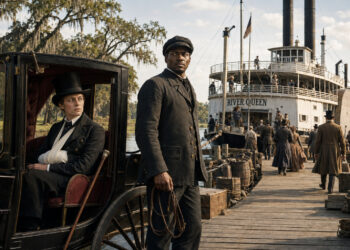
The Disguise That Broke Chains: Ellen and William Craft
Biographies

The Disguise That Broke Chains: Ellen and William Craft

September 15, 2026
Bass Reeves: The Marshal Who Hunted Outlaws in Indian Territory
Biographies

Bass Reeves: The Marshal Who Hunted Outlaws in Indian Territory

September 15, 2026
Ellen Craft: Passing as a Planter to Secure Freedom
Biographies

Ellen Craft: Passing as a Planter to Secure Freedom

September 15, 2026
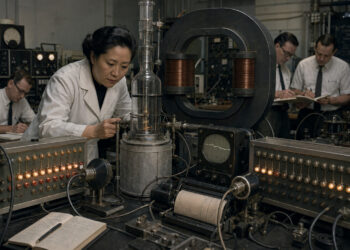
Chien‑Shiung Wu: The Physicist Who Proved Parity’s Failure
Biographies

Chien‑Shiung Wu: The Physicist Who Proved Parity’s Failure

September 15, 2026
Next Post
Narrative Techniques for Grouping Past Events Into Eras

Narrative Techniques for Grouping Past Events Into Eras

Search..

No Result
View All Result

Recent Articles

The Disguise That Broke Chains: Ellen and William Craft

The Disguise That Broke Chains: Ellen and William Craft

September 15, 2026
Bass Reeves: The Marshal Who Hunted Outlaws in Indian Territory

Bass Reeves: The Marshal Who Hunted Outlaws in Indian Territory

September 15, 2026
How the Crystal Palace Turned Glass and Iron into a Modern Stage

How the Crystal Palace Turned Glass and Iron into a Modern Stage

September 15, 2026
Anne Bonny: The Pirate Who Broke Rules and Expectations

Anne Bonny: The Pirate Who Broke Rules and Expectations

September 15, 2026
How Haiti Broke Its Chains: A 1791–1804 Timeline

How Haiti Broke Its Chains: A 1791–1804 Timeline

September 15, 2026

Subscribe Us

By clicking submit, I authorize History Ours and its affiliated companies to: (1) use, sell, and share my information for marketing purposes, including cross-context behavioral advertising, as described in our Terms of Service and Privacy Policy, (2) supplement the information that I provide with additional information lawfully obtained from other sources, like demographic data from public sources, interests inferred from web page views, or other data relevant to what might interest me, like past purchase or location data, (3) contact me or enable others to contact me by email with offers for goods and services from any category at the email address provided, and (4) retain my information while I am engaging with marketing messages that I receive and for a reasonable amount of time thereafter. I understand I can opt out at any time through an email that I receive, or by clicking here

Subscribe To Our Newsletter

By clicking submit, I authorize History Ours and its affiliated companies to: (1) use, sell, and share my information for marketing purposes, including cross-context behavioral advertising, as described in our Terms of Service and Privacy Policy, (2) supplement the information that I provide with additional information lawfully obtained from other sources, like demographic data from public sources, interests inferred from web page views, or other data relevant to what might interest me, like past purchase or location data, (3) contact me or enable others to contact me by email with offers for goods and services from any category at the email address provided, and (4) retain my information while I am engaging with marketing messages that I receive and for a reasonable amount of time thereafter. I understand I can opt out at any time through an email that I receive, or by clicking here.

© 2026 History Ours | All Rights Reserved

  • Contact Us
  • Privacy Policy
  • Terms of Service
  • Unsubscribe
  • Privacy Choices
  • Contact Us
  • Privacy Policy
  • Terms of Service
  • Unsubscribe
  • Privacy Choices

© 2026 History Ours | All Rights Reserved

No Result
View All Result
  • Home
  • History
  • Biographies
  • Eras
  • Regions
  • Timeline

© 2026 History Ours | All Rights Reserved

Skip to content
Open toolbar Accessibility Tools

Accessibility Tools

  • Increase TextIncrease Text
  • Decrease TextDecrease Text
  • GrayscaleGrayscale
  • High ContrastHigh Contrast
  • Negative ContrastNegative Contrast
  • Light BackgroundLight Background
  • Links UnderlineLinks Underline
  • Readable FontReadable Font
  • Reset Reset