Uncover History’s Secrets with Daily Updates!
Daily News Entertainment
  • Home
  • History
  • Biographies
  • Eras
  • Regions
  • Timeline
No Result
View All Result
History Ours
  • Home
  • History
  • Biographies
  • Eras
  • Regions
  • Timeline
No Result
View All Result
History Ours
No Result
View All Result
Home Biographies

Crafting Respectful Life Portraits from Sparse Records

in Biographies
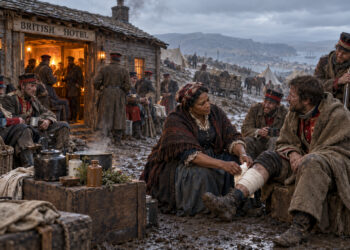
Crafting Respectful Life Portraits from Sparse Records

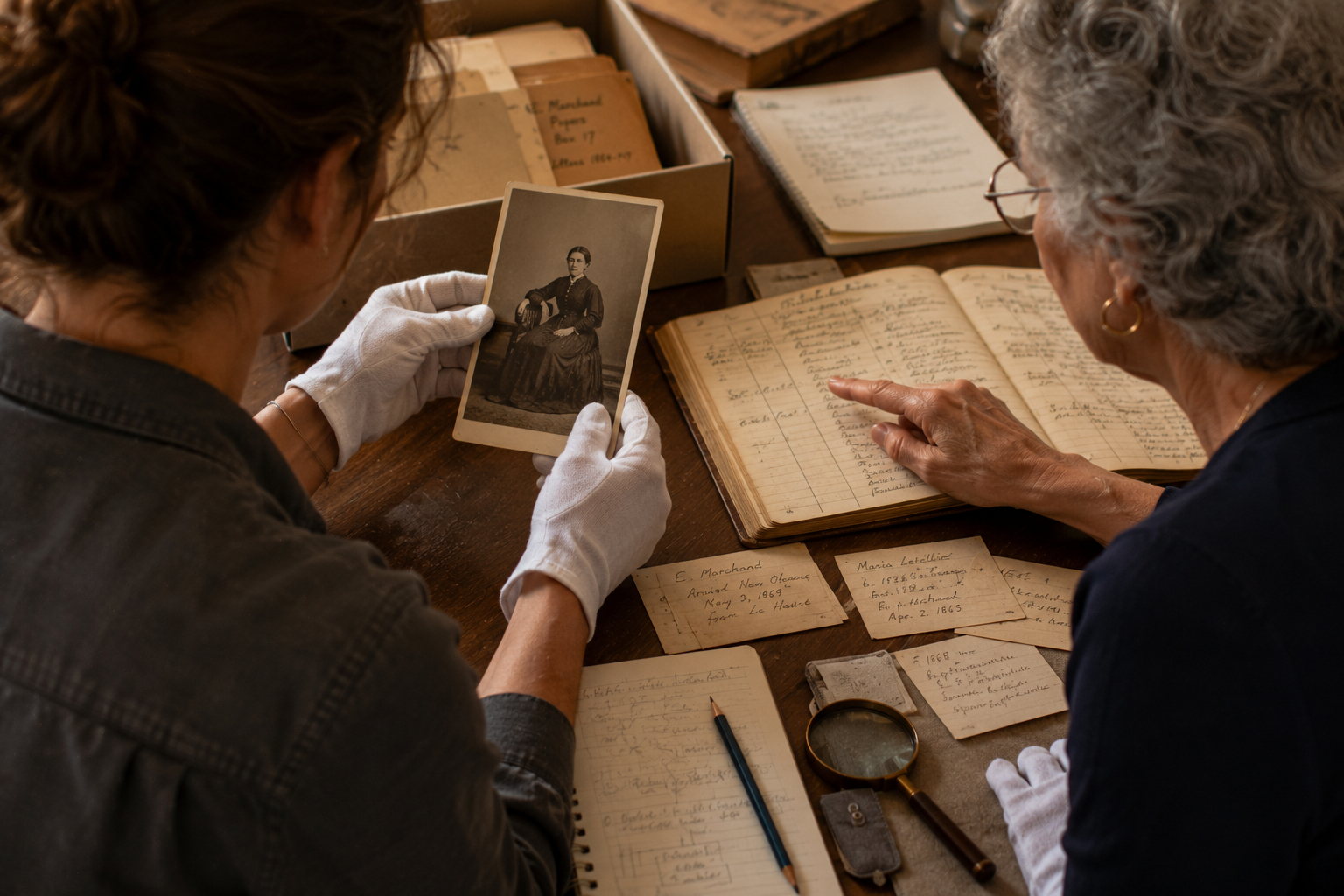
Writing short biographies from limited archives demands both rigor and imagination. The challenge is to present a coherent, respectful portrait without overstating what the evidence supports. Good practice balances factual reconstruction with contextual interpretation so that readers understand both what is known and what is inferred. This approach helps avoid sensationalism while making the subject’s life feel legible and meaningful. Practical choices about scope and phrasing determine how faithfully a life is represented.

Research Strategies

Start by mapping every available source: official records, family papers, newspapers, and material culture. Look for patterns across documents, such as repeated occupations, addresses, or affiliations, and treat them as threads to follow rather than definitive narratives. Supplement gaps with broader contextual sources—local histories, demographic studies, or contemporary accounts—that illuminate likely conditions and choices. Carefully note where interpretation fills silence and keep provenance clear to readers. Cross-referencing and triangulation reduce the risk of overreliance on a single, possibly misleading document.

Be deliberate about source hierarchy and uncertainty. Annotated notes and transparent citations build credibility and allow others to reassess conclusions.

Weaving Narrative

A compact biographical narrative should foreground a few illuminating episodes rather than attempt exhaustive chronology. Use micro-studies—a letter, a legal record, an image—to open windows into character, routines, or networks, and then situate those moments within larger social rhythms. Avoid speculative psychology; instead, explain how the evidence supports a reading and where alternative interpretations remain plausible. This makes the portrait both engaging and accountable. Language matters: qualify conjecture and let readers see the limits of what is asserted.

Structure sections around themes or turning points to keep the reader oriented. Brief, vivid details humanize subjects without inventing facts.

Ethical Considerations

Working with thin records raises responsibilities: respect for descendants, attention to privacy when relevant, and sensitivity to how narratives might reinforce stereotypes. Always resist the temptation to fill gaps with sensational or anachronistic assumptions. When identities were obscured by bias in the sources, acknowledge that limitation and explore why certain voices were marginalized. Transparency about methods and limits is itself a form of ethical writing. Where possible consult living relatives or community stakeholders to correct mistakes and add nuance.

Invite readers to see biography as a provisional conversation. Offer avenues for further research or correction where possible.

Conclusion

Short biographies built from sparse records ask historians to be both cautious and creative. By combining systematic source work, contextual framing, and clear ethical boundaries, writers can produce portraits that are meaningful without being mendacious. Such practice keeps the past palpable while honoring what the archives do—and do not—reveal.

Previous Post

Recovering Voice in Small Archives: Practical Biography Steps

Next Post

Making Periodization Transparent: A Stepwise Approach for Historians

Related Posts

Mary Seacole: The Jamaican Nurse Who Went to War
Biographies

Mary Seacole: The Jamaican Nurse Who Went to War

October 30, 2026
Ada Lovelace: The Poet Who Helped Imagine Modern Computers
Biographies

Ada Lovelace: The Poet Who Helped Imagine Modern Computers

October 30, 2026
Katherine Johnson: The Numbers Behind America’s First Orbits
Biographies

Katherine Johnson: The Numbers Behind America’s First Orbits

October 25, 2026
Bessie Coleman: How a Texan Manicurist Conquered the Skies
Biographies

Bessie Coleman: How a Texan Manicurist Conquered the Skies

October 25, 2026
Next Post
Making Periodization Transparent: A Stepwise Approach for Historians

Making Periodization Transparent: A Stepwise Approach for Historians

Search..

No Result
View All Result

Recent Articles

Mary Seacole: The Jamaican Nurse Who Went to War

Mary Seacole: The Jamaican Nurse Who Went to War

October 30, 2026
Ada Lovelace: The Poet Who Helped Imagine Modern Computers

Ada Lovelace: The Poet Who Helped Imagine Modern Computers

October 30, 2026
John Snow, the Broad Street Pump, and Cholera’s Fall

John Snow, the Broad Street Pump, and Cholera’s Fall

October 29, 2026
The Vasa: Sweden’s Giant Ship That Couldn’t Sail

The Vasa: Sweden’s Giant Ship That Couldn’t Sail

October 29, 2026
How the Black Death Spread Across Europe, 1347–1351

How the Black Death Spread Across Europe, 1347–1351

October 28, 2026

Subscribe Us

By clicking submit, I authorize History Ours and its affiliated companies to: (1) use, sell, and share my information for marketing purposes, including cross-context behavioral advertising, as described in our Terms of Service and Privacy Policy, (2) supplement the information that I provide with additional information lawfully obtained from other sources, like demographic data from public sources, interests inferred from web page views, or other data relevant to what might interest me, like past purchase or location data, (3) contact me or enable others to contact me by email with offers for goods and services from any category at the email address provided, and (4) retain my information while I am engaging with marketing messages that I receive and for a reasonable amount of time thereafter. I understand I can opt out at any time through an email that I receive, or by clicking here

Subscribe To Our Newsletter

By clicking submit, I authorize History Ours and its affiliated companies to: (1) use, sell, and share my information for marketing purposes, including cross-context behavioral advertising, as described in our Terms of Service and Privacy Policy, (2) supplement the information that I provide with additional information lawfully obtained from other sources, like demographic data from public sources, interests inferred from web page views, or other data relevant to what might interest me, like past purchase or location data, (3) contact me or enable others to contact me by email with offers for goods and services from any category at the email address provided, and (4) retain my information while I am engaging with marketing messages that I receive and for a reasonable amount of time thereafter. I understand I can opt out at any time through an email that I receive, or by clicking here.

© 2026 History Ours | All Rights Reserved

  • Contact Us
  • Privacy Policy
  • Terms of Service
  • Unsubscribe
  • Privacy Choices
  • Contact Us
  • Privacy Policy
  • Terms of Service
  • Unsubscribe
  • Privacy Choices

© 2026 History Ours | All Rights Reserved

No Result
View All Result
  • Home
  • History
  • Biographies
  • Eras
  • Regions
  • Timeline

© 2026 History Ours | All Rights Reserved

Skip to content
Open toolbar Accessibility Tools

Accessibility Tools

  • Increase TextIncrease Text
  • Decrease TextDecrease Text
  • GrayscaleGrayscale
  • High ContrastHigh Contrast
  • Negative ContrastNegative Contrast
  • Light BackgroundLight Background
  • Links UnderlineLinks Underline
  • Readable FontReadable Font
  • Reset Reset