Short historical biographies demand a careful balance between narrative clarity and evidentiary restraint. Writers must prioritize what a compact form can reliably convey without overreaching. This requires clear decisions about scope, tone, and the relative weight given to different source types. Approaching a concise life sketch with explicit limits improves both honesty and usefulness for readers.
Gathering Sources
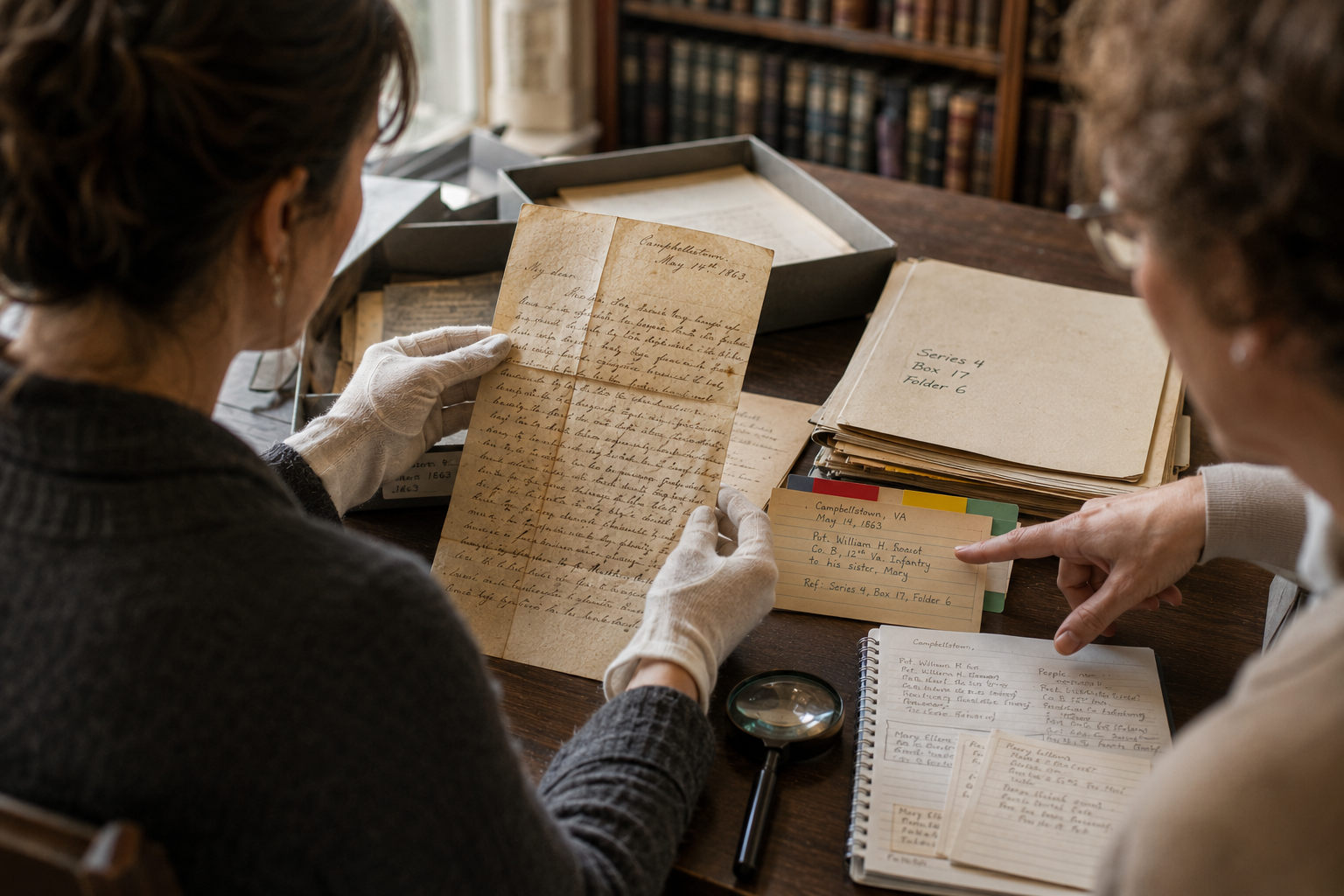
Begin by assembling available primary and secondary materials with attention to provenance and gaps. Even small documents—letters, legal records, directories—can offer anchors for dates, relationships, and activities if treated critically. Prioritize sources that directly support key claims and note where inference is required, avoiding speculative leaps. Record evidence hierarchies so readers or editors can follow the logic behind interpretive choices.
- Make a simple inventory of documents and their reliability.
- Flag unverifiable anecdotes and locate corroborating material where possible.
Keeping a transparent source log helps maintain integrity in brief formats. It also makes revisions easier when new material emerges.
Weaving Context with Evidence
Compact biographies succeed when individual lives are situated within concise, relevant context rather than broad generalizations. Select social, economic, or institutional details that directly illuminate an individual’s choices or constraints. Use context to explain possibilities, not to fill gaps; avoid turning background into a substitute for missing life facts. Precise, targeted context increases readers’ understanding while respecting the limits of the record.
Craft transitions that link evidence to interpretation in plain language. This preserves narrative flow without masking uncertainty.
Ethical Choices and Reader Trust
Ethical compact biography writing emphasizes transparency about uncertainty, selection, and framing. When conjecture is necessary, flag it clearly and explain the basis for the inference, whether probabilistic patterns or analogous cases. Respect for privacy and legacy matters, especially when writing about less-documented individuals or sensitive topics. A concise biography that acknowledges its limits builds credibility with informed readers.
Adopt a consistent voice that balances empathy with critical distance. This helps readers appreciate the subject while understanding the evidence boundaries.
Conclusion
Concise historical biographies require disciplined sourcing, focused context, and ethical clarity. Writers who state limits and justify inferences create more trustworthy, usable portraits. Thoughtful restraint often yields a richer understanding than unchecked speculation.