Uncover History’s Secrets with Daily Updates!
Daily News Entertainment
  • Home
  • History
  • Biographies
  • Eras
  • Regions
  • Timeline
No Result
View All Result
History Ours
  • Home
  • History
  • Biographies
  • Eras
  • Regions
  • Timeline
No Result
View All Result
History Ours
No Result
View All Result
Home Biographies

From Files to Foundations: One Life of Record Keeping

in Biographies
From Files to Foundations: One Life of Record Keeping

Introduction

Few public servants attract headlines, yet their stewardship shapes how institutions remember themselves. This profile examines a career spent organizing, safeguarding, and interpreting public records. By tracing methods and milestones, we can see how routine choices affect collective narratives. The following sections outline formative experiences, professional practices, and lasting influence.

Early Career and Motivations

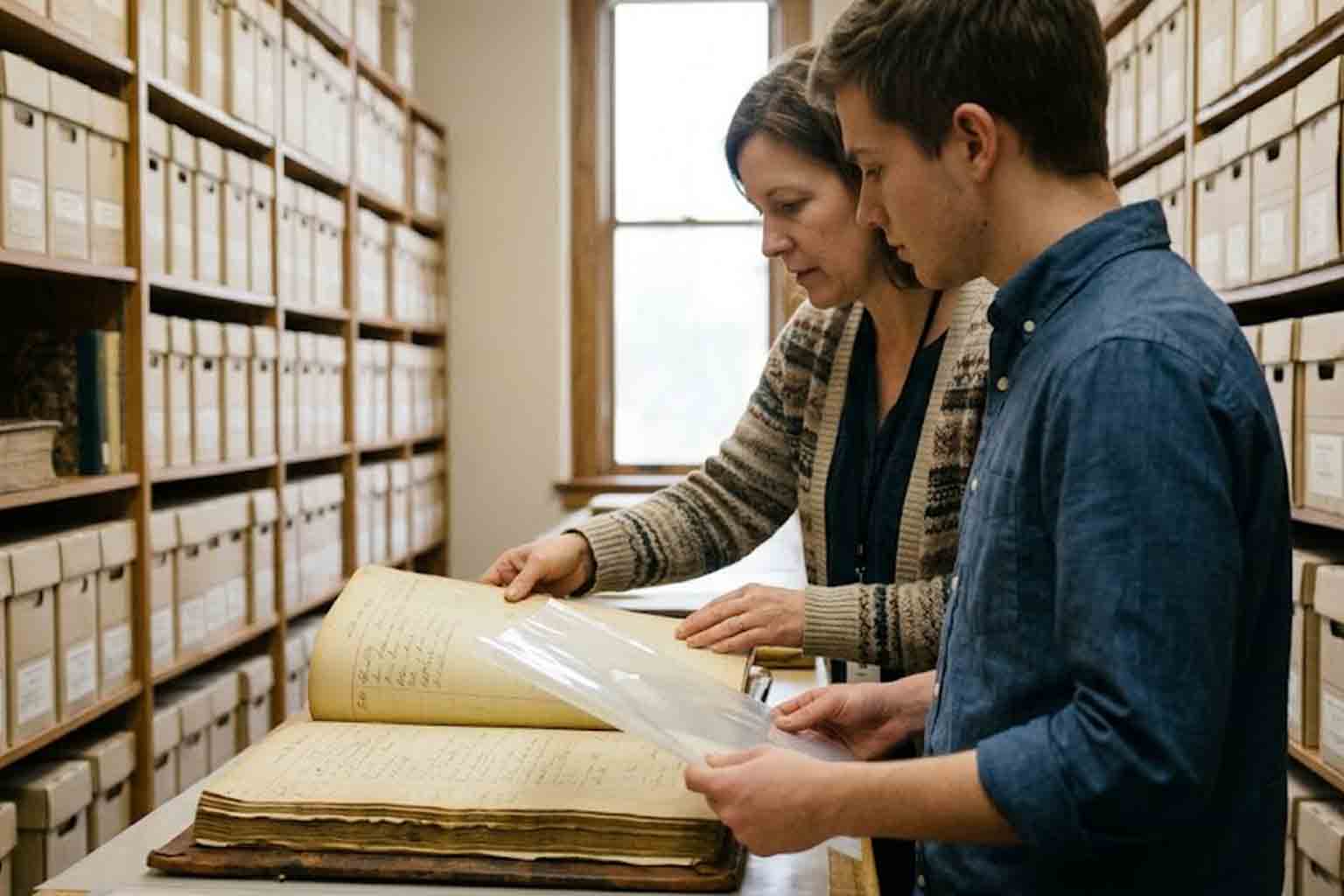
The subject began work in municipal archives at a time when systems were informal and resources scarce. They learned quickly that consistent practice and attention to detail reduced future disputes and preserved crucial context. Rather than seeking prominence, they focused on building durable processes that colleagues could follow. Their early responsibilities included indexing, cataloging, and advising departments on retention schedules.

Colleagues remember this period as foundational: practical skills were paired with a disciplined work ethic. Those habits set the tone for later initiatives that prioritized clarity and accessibility.

Approach to Organizing Records

Organizational philosophy emphasized provenance, transparency, and user needs. Records were categorized not only by topic but by origin, decision-making body, and intended audience to preserve interpretive context. This approach reduced misinterpretation and allowed researchers to trace the evolution of policies and practices. Training programs were introduced to ensure consistent handling across departments.

Such procedural changes required patience and clear communication, but they improved institutional memory and made retrieval more efficient. Over time the system became a model for comparable agencies seeking order in paper and electronic archives.

Innovations and Practical Contributions

Beyond filing and cataloging, practical innovations distinguished the career: creating cross-referenced indexes, implementing standardized metadata, and advising on digitization priorities. These efforts balanced historical preservation with contemporary operational needs, ensuring that records served both research and governance. The work also included drafting guidelines that clarified legal retention obligations without excessive bureaucracy.

  • Developed training workshops for staff and volunteers.
  • Prioritized digitization of fragile but frequently requested files.
  • Established metadata standards that supported searchability.

These contributions reflected an orientation toward both immediate usefulness and long-term preservation, enhancing public access while protecting sensitive information.

Legacy and Influence

The cumulative effect of careful record keeping has been subtle but significant: clearer institutional narratives, fewer archival disputes, and improved research access. Former colleagues adopted the systems and policies, spreading practices across agencies and time. Researchers and officials alike benefited from consistent contextual information that reduced guesswork about decisions recorded decades earlier.

Today the influence is seen in routine operations and in the way histories are written using preserved documents. This quiet form of stewardship continues to shape how organizations remember themselves and how citizens engage with the past.

Conclusion

This life of disciplined record keeping demonstrates how process creates memory. It shows that modest daily acts of organization can influence institutional narratives for generations. The legacy is practical, enduring, and rooted in steady professional care.

Previous Post

A Quiet Biographer of Institutional Change and Memory

Next Post

Balancing Continuity and Change in Historical Periods

Related Posts

How Ignaz Semmelweis Saved Mothers and Was Ignored
Biographies

How Ignaz Semmelweis Saved Mothers and Was Ignored

August 31, 2026
Mary Anning: The Fossil Hunter Who Upended the Past
Biographies

Mary Anning: The Fossil Hunter Who Upended the Past

August 31, 2026
Techniques for Writing Fair, Nuanced Life Portraits
Biographies

Techniques for Writing Fair, Nuanced Life Portraits

August 28, 2026
Biographical Timelines: Building Lives Through Everyday Details
Biographies

Biographical Timelines: Building Lives Through Everyday Details

August 28, 2026
Next Post
Balancing Continuity and Change in Historical Periods

Balancing Continuity and Change in Historical Periods

Search..

No Result
View All Result

Recent Articles

The Marsh Arabs: How Iraq’s Wetlands Shaped a People

The Marsh Arabs: How Iraq’s Wetlands Shaped a People

September 2, 2026
How the English Fens Were Turned into Farmland and Memory

How the English Fens Were Turned into Farmland and Memory

September 2, 2026
How the Dutch Golden Age Remade Everyday Europe

How the Dutch Golden Age Remade Everyday Europe

September 2, 2026
When Winters Were Wider: Life During the Little Ice Age

When Winters Were Wider: Life During the Little Ice Age

September 2, 2026
How Ignaz Semmelweis Saved Mothers and Was Ignored

How Ignaz Semmelweis Saved Mothers and Was Ignored

August 31, 2026

Subscribe Us

By clicking submit, I authorize History Ours and its affiliated companies to: (1) use, sell, and share my information for marketing purposes, including cross-context behavioral advertising, as described in our Terms of Service and Privacy Policy, (2) supplement the information that I provide with additional information lawfully obtained from other sources, like demographic data from public sources, interests inferred from web page views, or other data relevant to what might interest me, like past purchase or location data, (3) contact me or enable others to contact me by email with offers for goods and services from any category at the email address provided, and (4) retain my information while I am engaging with marketing messages that I receive and for a reasonable amount of time thereafter. I understand I can opt out at any time through an email that I receive, or by clicking here

Subscribe To Our Newsletter

By clicking submit, I authorize History Ours and its affiliated companies to: (1) use, sell, and share my information for marketing purposes, including cross-context behavioral advertising, as described in our Terms of Service and Privacy Policy, (2) supplement the information that I provide with additional information lawfully obtained from other sources, like demographic data from public sources, interests inferred from web page views, or other data relevant to what might interest me, like past purchase or location data, (3) contact me or enable others to contact me by email with offers for goods and services from any category at the email address provided, and (4) retain my information while I am engaging with marketing messages that I receive and for a reasonable amount of time thereafter. I understand I can opt out at any time through an email that I receive, or by clicking here.

© 2026 History Ours | All Rights Reserved

  • Contact Us
  • Privacy Policy
  • Terms of Service
  • Unsubscribe
  • Privacy Choices
  • Contact Us
  • Privacy Policy
  • Terms of Service
  • Unsubscribe
  • Privacy Choices

© 2026 History Ours | All Rights Reserved

No Result
View All Result
  • Home
  • History
  • Biographies
  • Eras
  • Regions
  • Timeline

© 2026 History Ours | All Rights Reserved

Skip to content
Open toolbar Accessibility Tools

Accessibility Tools

  • Increase TextIncrease Text
  • Decrease TextDecrease Text
  • GrayscaleGrayscale
  • High ContrastHigh Contrast
  • Negative ContrastNegative Contrast
  • Light BackgroundLight Background
  • Links UnderlineLinks Underline
  • Readable FontReadable Font
  • Reset Reset