Introduction
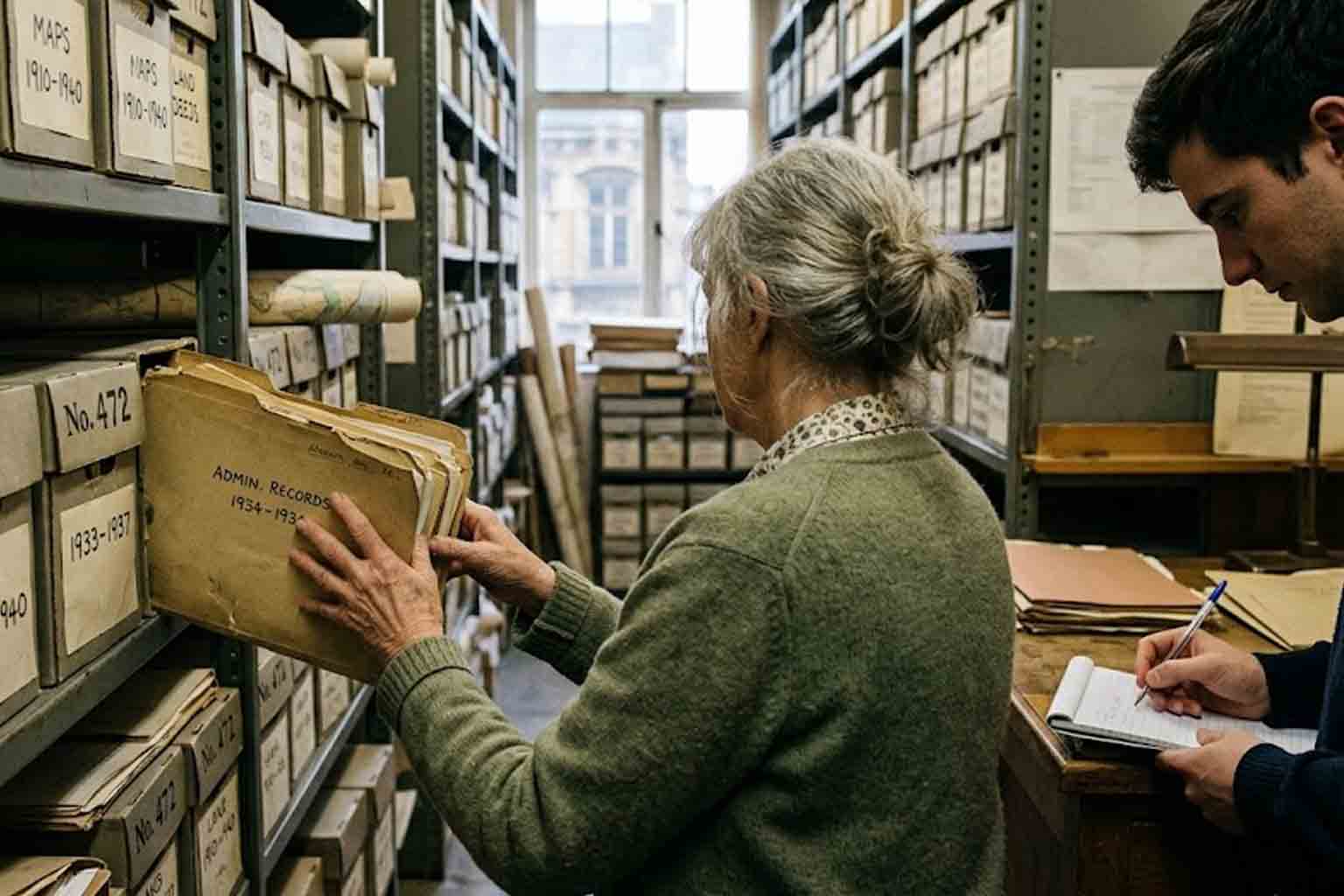
He worked where records gathered dust and decisions acquired context, translating routine administration into lasting narrative. For decades his work sat at the intersection of paperwork and public trust, revealing how institutions remember themselves. This piece explores the arc of a life spent cataloging, interpreting, and preserving the threads that define organizational identity. It considers the practices and modest interventions that shaped the way future generations understand institutional change.
Early Life and Formation
Raised in a family that prized attention to detail, he developed an early habit of organizing notes and correspondences into coherent series. He pursued studies that combined history and archival method, learning to balance chronological order with thematic interpretation. Those formative choices honed a sensibility attentive to both the small human gestures and the structural patterns embedded in records.
His mentors emphasized context over content, teaching him that a file’s placement often mattered as much as its text. This foundation guided a lifetime of careful stewardship and patient curiosity.
Professional Contributions
In professional roles he introduced systems that improved access and preserved provenance without creating unnecessary bureaucracy. His policies favored transparency, clear metadata, and affordable public access strategies, enabling researchers to trace institutional decisions with fewer barriers. Colleagues remember his insistence on explanatory finding aids and narrative summaries that made complex archives intelligible.
He also trained a generation of staff to treat records as conversation partners rather than inert objects. Those practices extended institutional memory beyond technical storage to living, interpretable resources.
Method and Philosophy
His approach combined practical technique with an ethical commitment to representation and integrity. He believed that records should reflect diverse voices and that selection practices required deliberate reflection. Methodologically, he balanced preservation with use, advocating for formats and descriptions that prioritized long-term readability and immediate discovery.
- Emphasize descriptive context over merely cataloguing.
- Favor accessibility while safeguarding sensitive information.
- Document decision-making processes as part of the record.
These guidelines shaped everyday choices and long-term plans, reinforcing a philosophy that memory is both technical and moral.
Impact and Legacy
His influence appears in clearer archives, improved public trust, and a subtle cultural shift toward valuing documented process. Institutions that adopted his practices showed better continuity across leadership changes and more nuanced public histories. Researchers benefit from materials that foreground sequence and motive rather than leaving interpretation to chance.
While rarely celebrated in public ceremonies, his legacy endures in the infrastructure of memory he helped refine. That infrastructure ensures institutions can learn from their past with greater fidelity.
Conclusion
He exemplified how quiet, methodical work shapes collective understanding over time. By treating records as narratives rather than obstacles, he expanded the possibilities for institutional self-knowledge. His careful practices remain a practical guide for anyone responsible for preserving organizational memory.