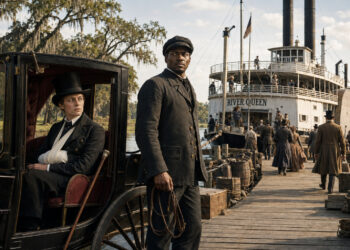


Writing concise biographical portraits for a public history audience requires a clear method and ethical clarity. Begin by setting realistic goals for what the evidence can support, and be transparent about gaps. Focus on patterns of action and social context rather than attempting exhaustive life stories. Clear, focused introductions help readers understand the portrait’s scope and limits.
Research and Sources
A careful inventory of available sources is the foundation of a trustworthy portrait. Combine primary records, such as letters, registers, and newspaper mentions, with reliable secondary analysis to triangulate facts. Note provenance and potential biases in each source, and record what remains unknown as well as what is established. Keep citation practices consistent so future researchers can follow your trail.
Good research prioritizes depth over breadth: a few well-documented episodes can tell more than a long list of uncertain claims. Be honest about uncertainties and avoid overstating conclusions when evidence is thin.
Framing and Context
Context transforms isolated facts into meaning for readers. Situate the individual within social networks, institutions, and material conditions that shaped choices and opportunities. Use thematic frames—work, family, mobility, civic engagement—to structure the portrait and make it accessible. Balance narrative moments with analytical observations that connect personal actions to wider historical processes.
- Choose a clear organizing question to guide selection of details.
- Explain relevant institutions or terms briefly for general readers.
- Use dates and places to anchor the story without overwhelming it.
A framed portrait helps readers see why a life matters beyond anecdote. Contextualization also reduces the risk of misinterpretation by providing needed background.
Ethics and Voice
Ethical portrait writing respects subjects and descendants while remaining faithful to evidence. Use measured language when discussing motives or character, and separate conjecture from documented fact. Consider the impact of publication on living communities and avoid sensationalism. Strive for a voice that is professional, empathetic, and clear rather than judgmental or speculative.
Attribution and transparency enhance credibility: indicate when you are interpreting and when you are reporting. A balanced voice invites readers to engage with the material rather than accept unexamined assertions.
Conclusion
Concise portrait writing in public history blends careful sourcing, thoughtful framing, and ethical attention to voice. When research limits what can be said, clarity about those limits strengthens the portrait. Adopt these guidelines to produce responsible, engaging biographies that serve readers and future scholars alike.