
Introduction
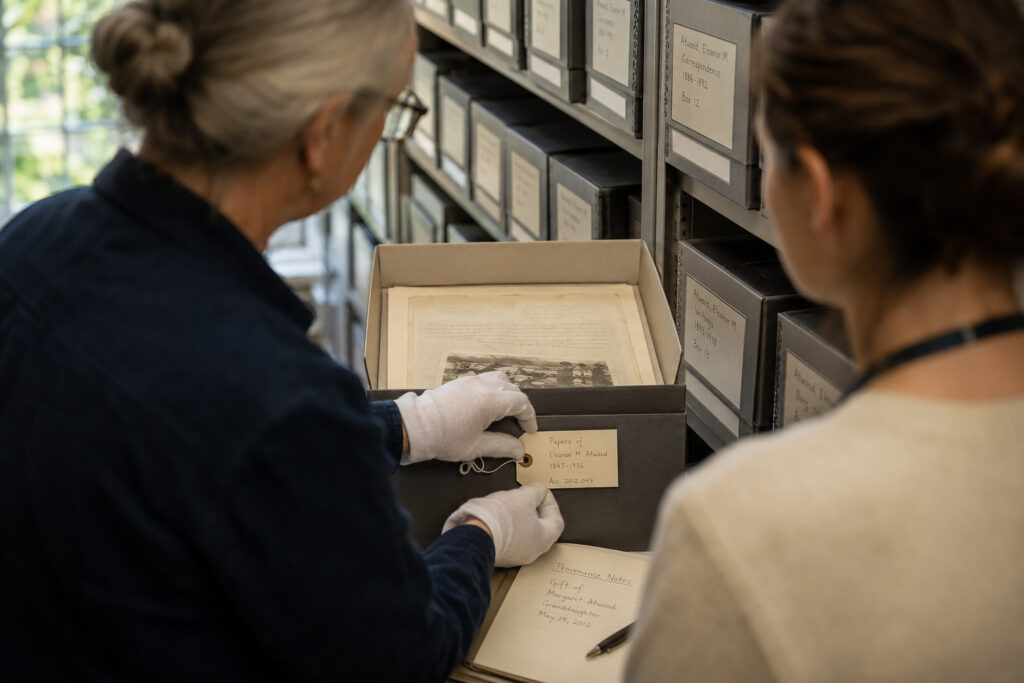
He spent decades quietly organizing the records that shape how institutions remember themselves, yet his name rarely appears in public accounts. Colleagues described him as meticulous, patient, and scrupulous about provenance. His work bridged dusty archives and active policy debates, ensuring evidence could answer future questions. This biography explores how steady stewardship can have disproportionate cultural effects.
Early Life and Training
The formative years taught him to value context as much as content. Early mentorships introduced principles of cataloging, rights of access, and the ethics of preservation, which he later applied across administrative roles. He learned to balance competing claims for records with professional standards and a keen sense of public interest. Those lessons became the backbone of his approach to institutional memory.
He moved into public service with a practice already refined by training and early projects. Colleagues noted his reluctance about credit but admired his clarity in setting priorities and schedules.
Career and Contributions
Across successive posts he introduced modest reforms that improved how records were classified and retrieved. He advocated for simple, sustainable systems rather than grand, brittle overhauls, and he emphasized staff training to keep practices consistent. His efforts reduced loss, clarified chains of custody, and made institutional decisions more transparent to future reviewers. Independent auditors later highlighted the durability of the systems he implemented.
- Introduced a lightweight indexing method adopted across departments.
- Established routine preservation checks that prevented significant archival decay.
Practical measures like these rarely made headlines, but they changed how information lived inside institutions. His quiet emphasis on care over recognition shaped daily practice for many years.
Impact on Institutional Memory
By stabilizing recordkeeping practices, he made long-term accountability possible where it had been fragile. Researchers and internal reviewers found previously inaccessible materials, and historians later relied on records that survived because of his systems. His method demonstrated that resilience often depends on incremental improvements rather than dramatic inventions. Over time, that steady reliability reshaped expectations about what institutions could know about their past.
The legacy is not a single landmark accomplishment but a network of practices and trained people. In that sense, his influence persists through routines, not monuments.
Conclusion
Careful stewardship of records may seem modest, but it underpins collective memory and institutional honesty. His patience and insistence on practical standards left a durable framework for accountability. Remembering such stewards reminds us that preservation is an active, civic responsibility.