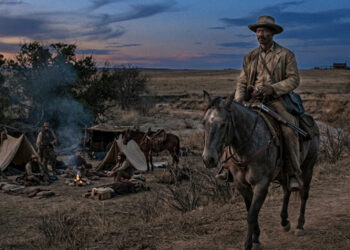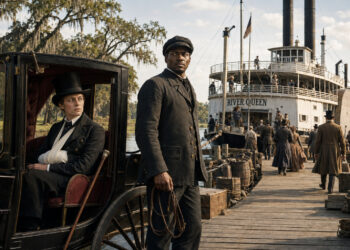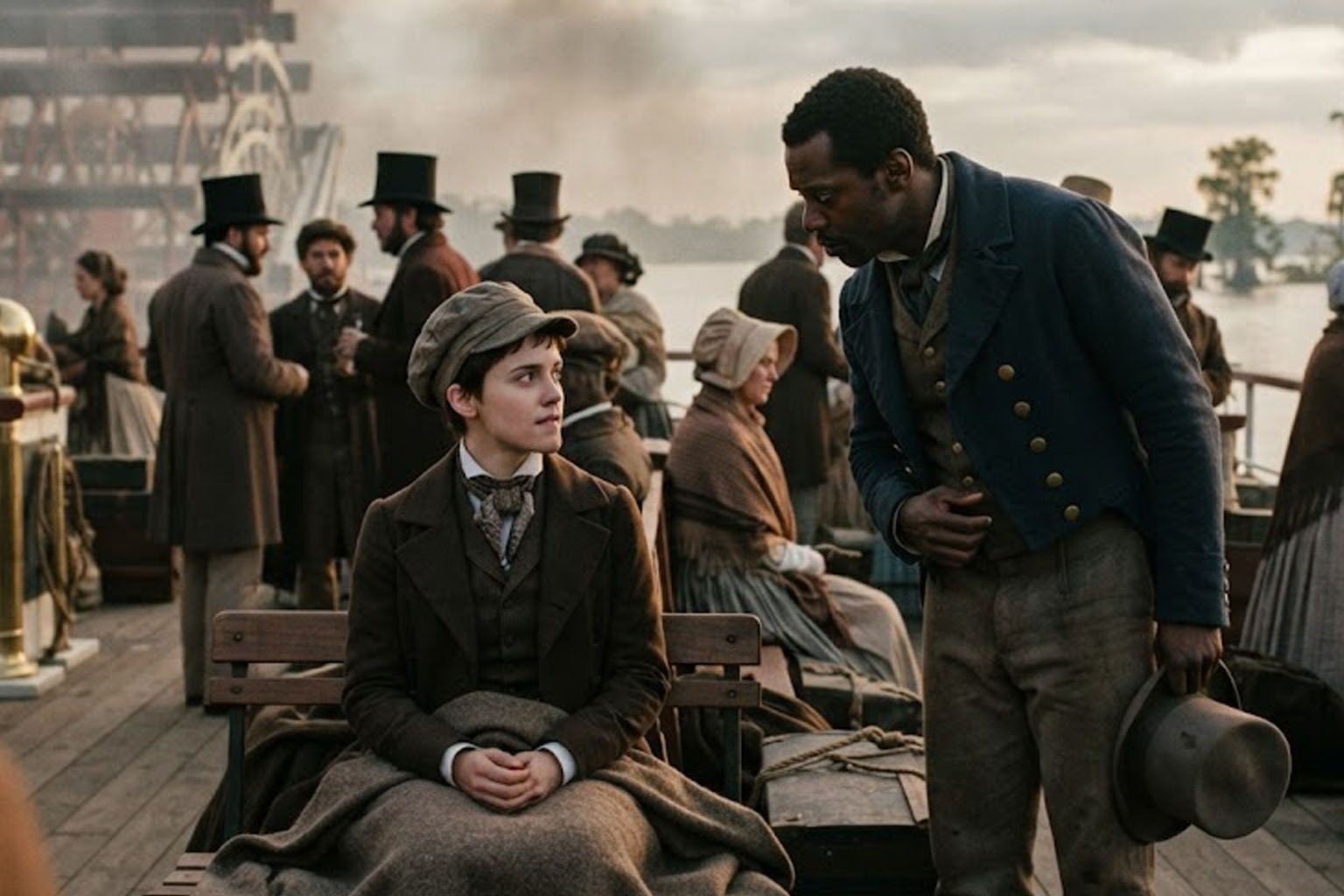
In December 1848 a plan that read like a thriller unfolded on the railways and steamers between Georgia and the North. Ellen and William Craft, husband and wife, slipped away from bondage by turning themselves into a story no one expected. Ellen, whose fair complexion allowed her to pass for white, posed as a sick, young white man traveling for his health. William took the role of her attendant—an enslaved coachman accompanying his supposed master. Together they walked through wagon yards, bought tickets, boarded trains and steamships, and kept a performance running under the constant risk of exposure.
Small deceptions, enormous stakes
The genius of their escape lay in tiny, dangerous details. Ellen adopted men’s clothing, cut her hair short, and kept to the physical mannerisms expected of a gentleman in public. William controlled the narrative: he let strangers see him in the deferential role required by the disguise, always on guard against questions that could reveal their true relationship. The law and custom of the time made even routine searches perilous; a single moment of suspicion might mean arrest, sale, or worse.
Boston, a published tale, and exile in England
The Crafts reached northern cities where abolitionists assisted them, and their story quickly became one of the most talked-about escape narratives of the era. They published an account of their flight and lectured on the lecture circuit, turning their personal gamble into public testimony against slavery. The passage of the Fugitive Slave Act in 1850, however, turned that visibility into a liability. The new law made the North unsafe for many escaped people; the Crafts left the United States and settled in England, where they earned a living, spoke to audiences about their experience, and remained for more than a decade.
Return and legacy
After the American Civil War the Crafts returned to the United States. Their escape—the boldness of a woman passing as a white man, and the careful teamwork that made it possible—became shorthand for both the cruelty of slavery and the ingenuity of those who resisted it. Their narrative fed northern abolitionist outrage and later became a staple in histories of the Underground Railroad and fugitive-slave escapes.
Conclusion
Ellen and William Craft’s journey is a reminder that resistance could be theatrical, intimate, and intensely personal. They exploited language, costume and social assumption in order to win freedom. The daring is what makes their story stick: not just the run to the North, but the everyday performance under a threat that never went away. Their lives after escape—speaking, publishing, living abroad and then returning—turned a single act of flight into a lasting chapter in the long story of emancipation.