Uncover History’s Secrets with Daily Updates!
Daily News Entertainment
  • Home
  • History
  • Biographies
  • Eras
  • Regions
  • Timeline
No Result
View All Result
History Ours
  • Home
  • History
  • Biographies
  • Eras
  • Regions
  • Timeline
No Result
View All Result
History Ours
No Result
View All Result
Home Biographies

Ellen Craft: Passing as a Planter to Secure Freedom

in Biographies
Ellen Craft: Passing as a Planter to Secure Freedom

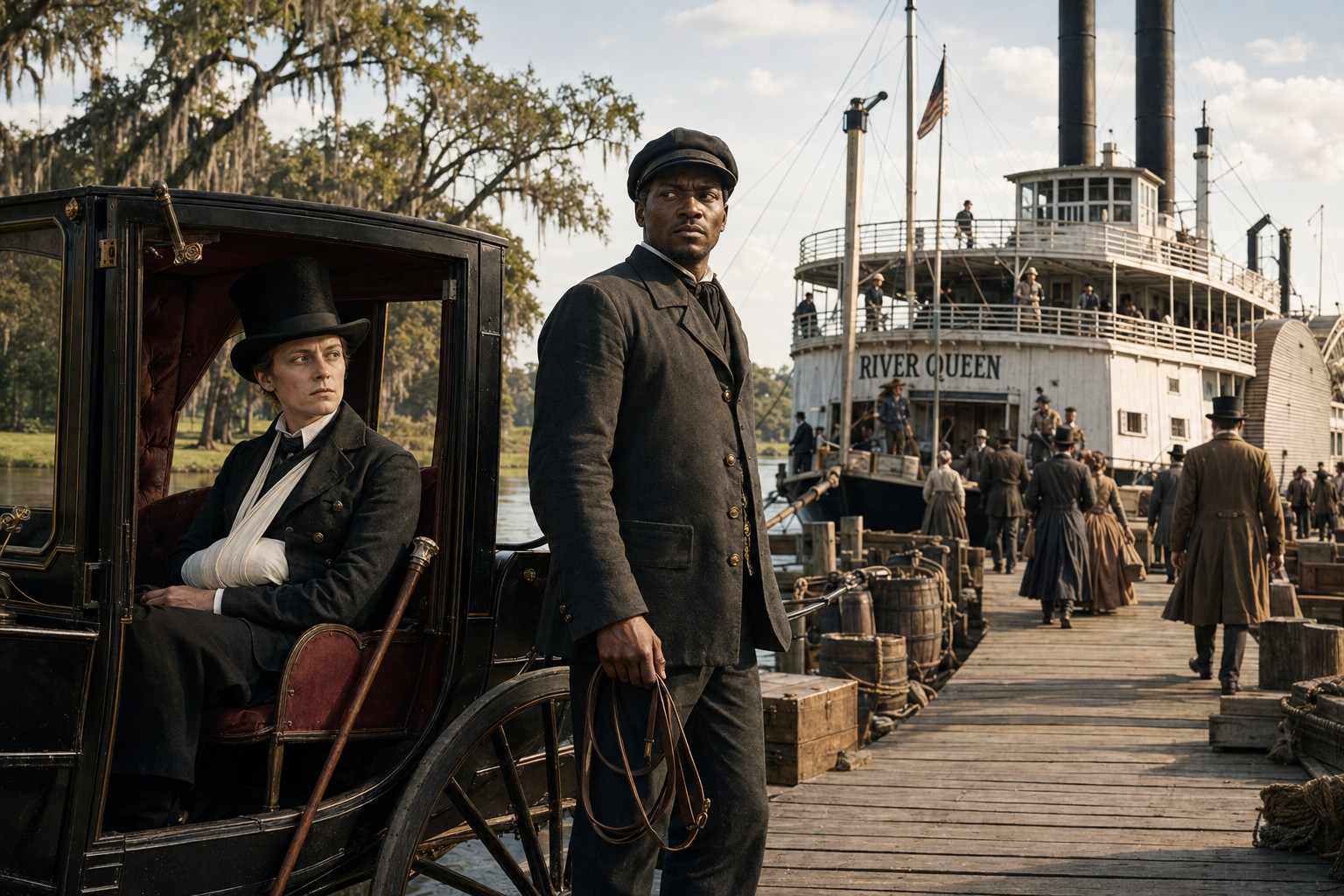
Ellen Craft was born into slavery around the mid-1820s in Georgia, but it was a single, carefully staged afternoon in 1848 that made her story unforgettable. Light-skinned and slight, she used the color of her skin and a daring idea to do what laws and pleas could not: she dressed as a white, disabled male planter and sat openly in a carriage while her husband, William, posed as the servant who attended her. Traveling through slave-holding territory, the Crafts took advantage of the assumptions of the day—nobody expected a white gentleman to be challenged, and a woman in men’s clothes drew less scrutiny if she appeared to be ill or injured.

Their trip across state lines on public conveyances was tense and practical rather than theatrical. They moved through stations, river landings, and checkpoints by relying on routine behavior—quiet composure, curt commands, the outward trappings of class. Those everyday gestures of confidence were the mask that hid the most radical thing they did: leave bondage behind.

From the North to England: teaching a transatlantic lesson

After reaching the North the Crafts stopped short of assuming safety. The passage of the Fugitive Slave Act in 1850 made any free territory dangerous for escaped people, so Ellen and William crossed the Atlantic to England. There, away from American slave-catchers and hostile law, they turned their personal escape into public testimony.

In Britain they lectured, met supporters, and raised funds—not only to sustain themselves but to call attention to the system they had fled. Their presence in cities like London and Manchester brought a human face to abolitionist arguments. The Crafts’ story showed British audiences that escape was not an abstract moral issue but the lived outcome of laws, terror, and everyday courage.

Return, education, and a complicated legacy

The Crafts spent years overseas before returning to the United States after the Civil War. In the postwar years they worked to educate newly freed people in the South—an arc that moved from personal liberty to communal rebuilding. Their escape and subsequent activism have been preserved in nineteenth-century newspapers, abolitionist tracts, and later histories as a striking example of how individuals exploited social assumptions to defeat a brutal system.

Ellen’s choice to present herself as a white man complicates simple narratives about identity and resistance. It was an act that relied on passing—racially and socially—and on the performance of power to subvert power. That paradox is central to why the Crafts remain compelling: their story is at once a practical flight to safety and a theatrical rebuke to the logic of slavery itself.

Conclusion

Ellen Craft’s escape is memorable not because it was miraculous but because it was meticulously ordinary—dress, gait, posture, silence—turned into a strategy for survival. Her life invites a closer look at how people used the smallest openings in a cruel system to secure freedom for themselves and others, and how personal courage can ripple into public change.
Previous Post

Chien‑Shiung Wu: The Physicist Who Proved Parity’s Failure

Next Post

Life Under the Tokugawa: How Edo Japan Rewrote Social Order

Related Posts

The Disguise That Broke Chains: Ellen and William Craft
Biographies

The Disguise That Broke Chains: Ellen and William Craft

September 15, 2026
Bass Reeves: The Marshal Who Hunted Outlaws in Indian Territory
Biographies

Bass Reeves: The Marshal Who Hunted Outlaws in Indian Territory

September 15, 2026
Chien‑Shiung Wu: The Physicist Who Proved Parity’s Failure
Biographies

Chien‑Shiung Wu: The Physicist Who Proved Parity’s Failure

September 15, 2026
Robert Smalls: The Enslaved Pilot Who Captured a Confederate Steamer
Biographies

Robert Smalls: The Enslaved Pilot Who Captured a Confederate Steamer

September 15, 2026
Next Post
Life Under the Tokugawa: How Edo Japan Rewrote Social Order

Life Under the Tokugawa: How Edo Japan Rewrote Social Order

Search..

No Result
View All Result

Recent Articles

The Disguise That Broke Chains: Ellen and William Craft

The Disguise That Broke Chains: Ellen and William Craft

September 15, 2026
Bass Reeves: The Marshal Who Hunted Outlaws in Indian Territory

Bass Reeves: The Marshal Who Hunted Outlaws in Indian Territory

September 15, 2026
How the Crystal Palace Turned Glass and Iron into a Modern Stage

How the Crystal Palace Turned Glass and Iron into a Modern Stage

September 15, 2026
Anne Bonny: The Pirate Who Broke Rules and Expectations

Anne Bonny: The Pirate Who Broke Rules and Expectations

September 15, 2026
How Haiti Broke Its Chains: A 1791–1804 Timeline

How Haiti Broke Its Chains: A 1791–1804 Timeline

September 15, 2026

Subscribe Us

By clicking submit, I authorize History Ours and its affiliated companies to: (1) use, sell, and share my information for marketing purposes, including cross-context behavioral advertising, as described in our Terms of Service and Privacy Policy, (2) supplement the information that I provide with additional information lawfully obtained from other sources, like demographic data from public sources, interests inferred from web page views, or other data relevant to what might interest me, like past purchase or location data, (3) contact me or enable others to contact me by email with offers for goods and services from any category at the email address provided, and (4) retain my information while I am engaging with marketing messages that I receive and for a reasonable amount of time thereafter. I understand I can opt out at any time through an email that I receive, or by clicking here

Subscribe To Our Newsletter

By clicking submit, I authorize History Ours and its affiliated companies to: (1) use, sell, and share my information for marketing purposes, including cross-context behavioral advertising, as described in our Terms of Service and Privacy Policy, (2) supplement the information that I provide with additional information lawfully obtained from other sources, like demographic data from public sources, interests inferred from web page views, or other data relevant to what might interest me, like past purchase or location data, (3) contact me or enable others to contact me by email with offers for goods and services from any category at the email address provided, and (4) retain my information while I am engaging with marketing messages that I receive and for a reasonable amount of time thereafter. I understand I can opt out at any time through an email that I receive, or by clicking here.

© 2026 History Ours | All Rights Reserved

  • Contact Us
  • Privacy Policy
  • Terms of Service
  • Unsubscribe
  • Privacy Choices
  • Contact Us
  • Privacy Policy
  • Terms of Service
  • Unsubscribe
  • Privacy Choices

© 2026 History Ours | All Rights Reserved

No Result
View All Result
  • Home
  • History
  • Biographies
  • Eras
  • Regions
  • Timeline

© 2026 History Ours | All Rights Reserved

Skip to content
Open toolbar Accessibility Tools

Accessibility Tools

  • Increase TextIncrease Text
  • Decrease TextDecrease Text
  • GrayscaleGrayscale
  • High ContrastHigh Contrast
  • Negative ContrastNegative Contrast
  • Light BackgroundLight Background
  • Links UnderlineLinks Underline
  • Readable FontReadable Font
  • Reset Reset