Introduction
She spent a lifetime teaching in a single village school, shaping generations through steady presence rather than spectacle.
Her career moved through decades of social and technological change, yet she insisted that small routines and clear expectations mattered most.
Neighbors trusted her with their children’s mornings and afternoons, knowing practical lessons often carried the deepest values.
Her story shows how everyday educators quietly anchor communities and preserve continuity across uncertain times.
Early life and influences
Born into a modest household, she learned early that curiosity and perseverance opened doors that wealth could not buy. Schooling was limited, but local mentors and a few devoted teachers inspired her to pursue training as an instructor. She accepted the first posting offered to her, which happened to be in a rural parish where opportunity and need met. Those early experiences taught her adaptability: to teach reading by the hearth, arithmetic with pebbles, and history through local memory.
Her formative years shaped both method and temperament, blending practicality with patience. This foundation made her a steady presence in a region where many careers were transient and uncertain.
Teaching philosophy and practice
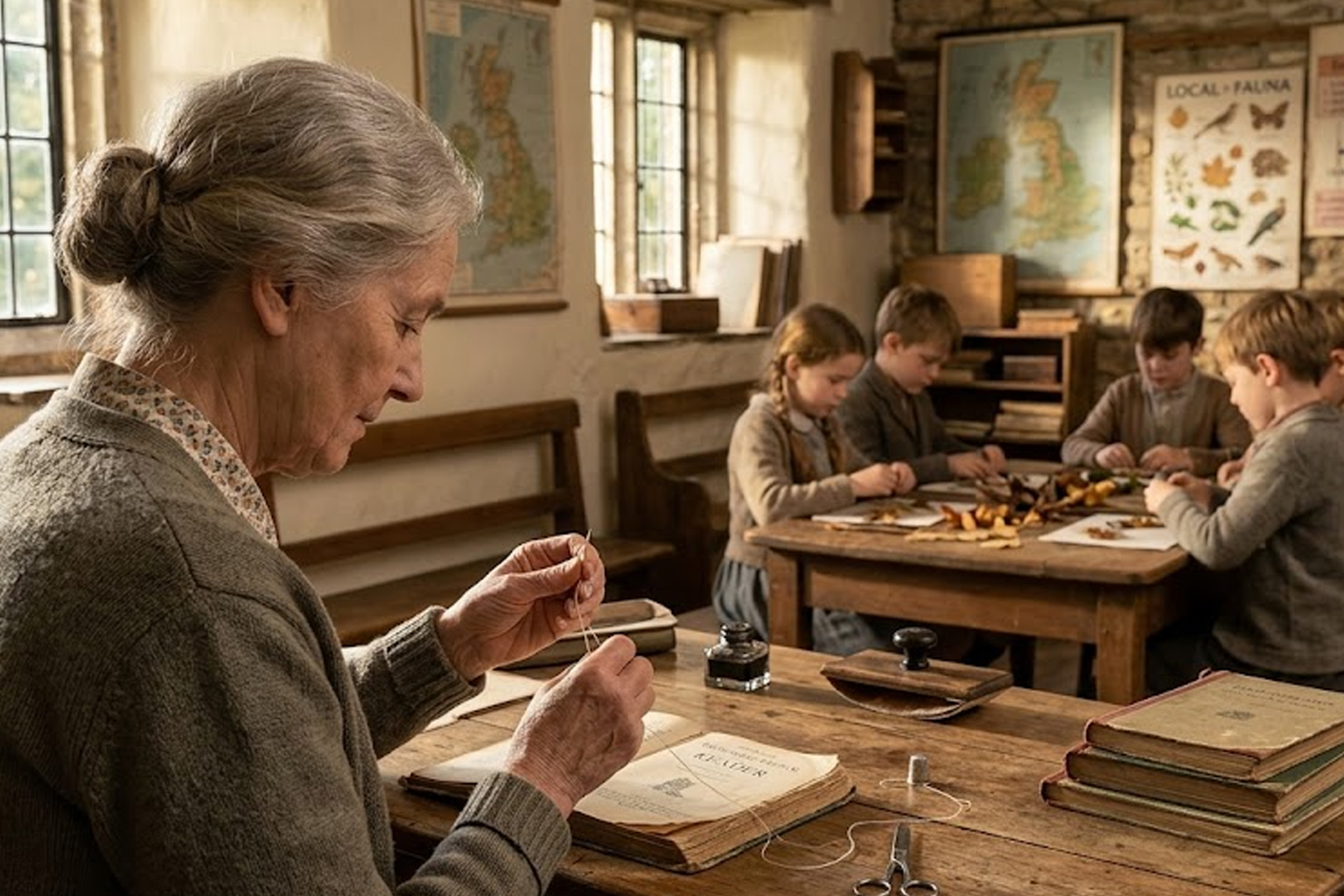
She favored clear routines, hands-on learning, and the patient repetition that helps skills take root. Lessons combined basics—reading, writing, numeracy—with local trades and stories, so education remained relevant to daily life. Discipline was firm but fair, designed to encourage responsibility rather than punish curiosity. She also created simple rituals—morning recitations, seasonal projects—that bound students to a shared sense of purpose.
Her classroom was less about examinations and more about building habits that lasted into adulthood. This practical outlook meant her influence extended beyond grades to habits, attitudes, and civic participation.
Community impact and legacy
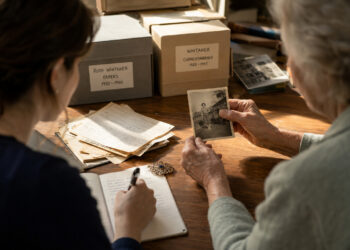
Over decades, former pupils became artisans, shopkeepers, and civic volunteers who cited her steadiness as formative. She helped organize local reading circles, adult workshops, and seasonal fairs that lifted communal morale and spread practical skills. When times were hard, the school offered structure and a place to gather, and the teacher’s steady hand often smoothed tensions. Oral histories later recorded how small acts—repairing a book, visiting an ill child—exemplified a wider ethic of care.
Her legacy lives in the routines she established and in the social networks she helped weave. Though not famous, her life demonstrates how civic health often depends on modest, sustained commitments.
Conclusion
Quiet dedication can shape a community as profoundly as any grand reform.
The life of a dedicated schoolmistress reminds us that education is both instruction and stewardship.
Remembering such lives helps us value the everyday work that sustains society.