Introduction
Few figures in educational history receive broad recognition despite making lasting local impact, and this profile examines one such reformer. Working largely outside official institutions, they combined practical teaching with community organizing to address persistent inequalities. Their approach favored hands-on learning, mentorship, and partnerships with local groups rather than formal accolades. This introduction sets the stage for understanding how modest efforts can produce durable change.
Early Life and Influences
Born into modest circumstances, the reformer experienced the gap between formal schooling and everyday needs from an early age. Family responsibilities and early work taught resourcefulness and an appreciation for informal learning environments. Encounters with grassroots activists and teachers shaped a belief that education should be relevant, adaptable, and community-rooted. These influences informed both practical methods and a conviction that change begins at the local level.
Over time, those early lessons translated into a set of priorities: accessibility, relevance, and resilience. The biographical arc shows a steady move from personal hardship to public service, guided by clear values.
Educational Innovations
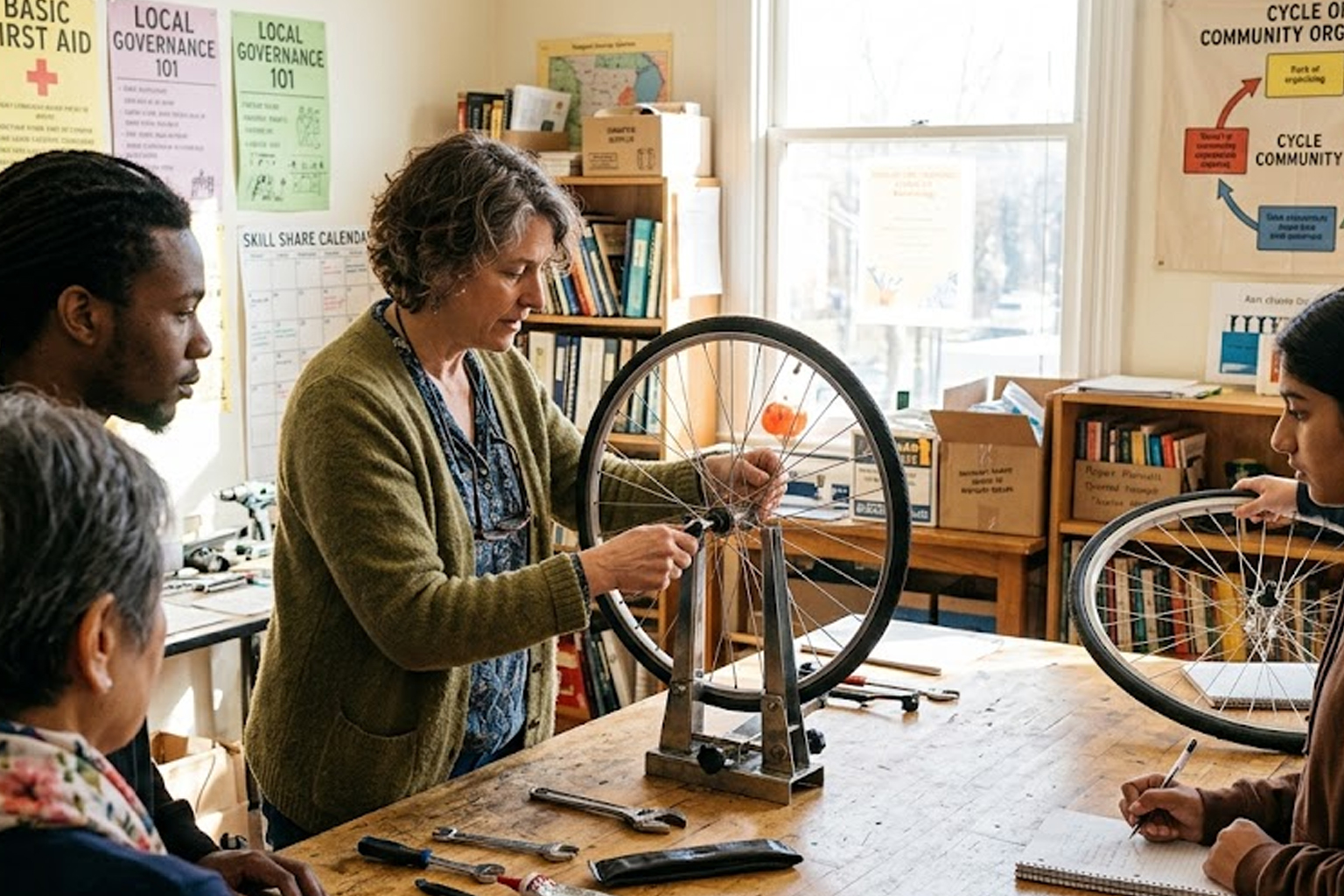
Rather than adhering strictly to standard curricula, the reformer designed flexible programs tailored to learners’ lives and aspirations. Workshops blended literacy, vocational skills, and civic discussion to foster both capability and confidence. Assessment emphasized improvement and participation instead of punitive grading, which encouraged adult learners and youth alike to remain engaged. Local teachers were trained to adapt materials and to treat curricula as living documents.
Those innovations spread through demonstration and replication, often initiated by former students who became teachers and organizers themselves. The influence grew quietly but steadily, reshaping expectations about what education could accomplish.
Community Work and Advocacy
Community engagement was central: the reformer prioritized listening and partnership over top-down directives. Projects addressed immediate needs while creating space for collective decision-making and leadership development. Collaboration with neighborhood groups, small businesses, and cultural organizations created multifaceted support networks that bolstered learning outcomes. The work combined practical services with advocacy for better public provisions.
- Local learning centers adapted to seasonal work schedules.
- Peer mentoring reduced drop-out rates and boosted skills.
- Public forums encouraged civic participation and policy dialogue.
These efforts showed that educational reform can be both pragmatic and emancipatory, producing measurable benefits in communities where resources are constrained.
Method and Legacy
The reformer’s method relied on sustained presence, iterative improvement, and capacity building rather than single large projects. Emphasis on mentorship and on-the-ground problem solving made programs resilient to funding fluctuations and political shifts. Former participants often became multipliers, founding new initiatives or integrating practices into more formal settings. The legacy is thus diffuse but palpable in local institutions and ongoing community practices.
Evaluating impact requires attention to qualitative changes as well as quantitative metrics. The true measure lies in altered expectations, expanded opportunities, and the continuation of community-led learning.
Conclusion
This portrait highlights how dedicated local action can reshape educational possibilities and civic life. The reformer’s blend of pedagogy and advocacy offers lessons for contemporary efforts seeking durable, community-centered change. Their legacy survives in everyday practices and in the people who continue to learn, teach, and organize.