
Born into modest surroundings, this provincial industrial pioneer combined practical skill with restless curiosity. His early years show a mix of apprenticeship, small-scale experiments, and local collaborations. Over time his work shifted from craft to factory-scale thinking, shaping local production methods. This biography examines the arc of his life and the quieter innovations that sustained a changing economy.
Early Life and Apprenticeship
The subject’s upbringing in a small town set the stage for hands-on learning and resilience. He learned tools and techniques from family and neighboring artisans, absorbing practical problem solving. Formal schooling was limited, but exposure to itinerant technicians and trade manuals expanded his technical vocabulary. These experiences fostered a mindset that valued iterative improvement over grand theorizing.
By his mid-twenties he had established a modest workshop and begun collaborating with local merchants. Those early partnerships provided materials and a testing ground for new ideas. The combination of local support and technical competence enabled gradual scaling.
Industrial Innovations
His innovations rarely drew national attention, yet they often solved persistent local problems. He adapted existing mechanisms to better suit regional resources, emphasizing durability and ease of repair. Several practical improvements reduced downtime in small manufactories and improved material yields. While not all inventions were patented, they spread through practical demonstration and apprenticeship networks.
Importantly, his approach balanced efficiency with accessibility, making new methods adoptable by smaller operators. This pragmatic orientation helped propagate change across neighboring towns and workshops. Long-term impact can be seen in the diffusion of specific tooling practices.
Community and Influence
Beyond technical work, he invested time in training younger workers and advising cooperative ventures. His mentorship created a cadre of skilled operators who carried techniques into adjacent trades. Local records show he participated in guild meetings and informal knowledge exchanges, reinforcing communal ties. These social contributions amplified the technical effects of his innovations.
He also navigated changing economic conditions by diversifying production and fostering local supply chains. That adaptability proved crucial as markets shifted and competitors emerged. His legacy includes both tangible tools and a durable culture of skill-sharing.
Researching the Past
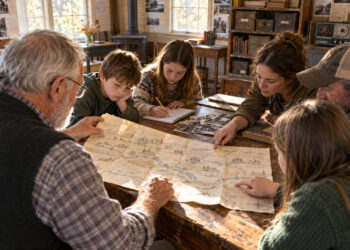
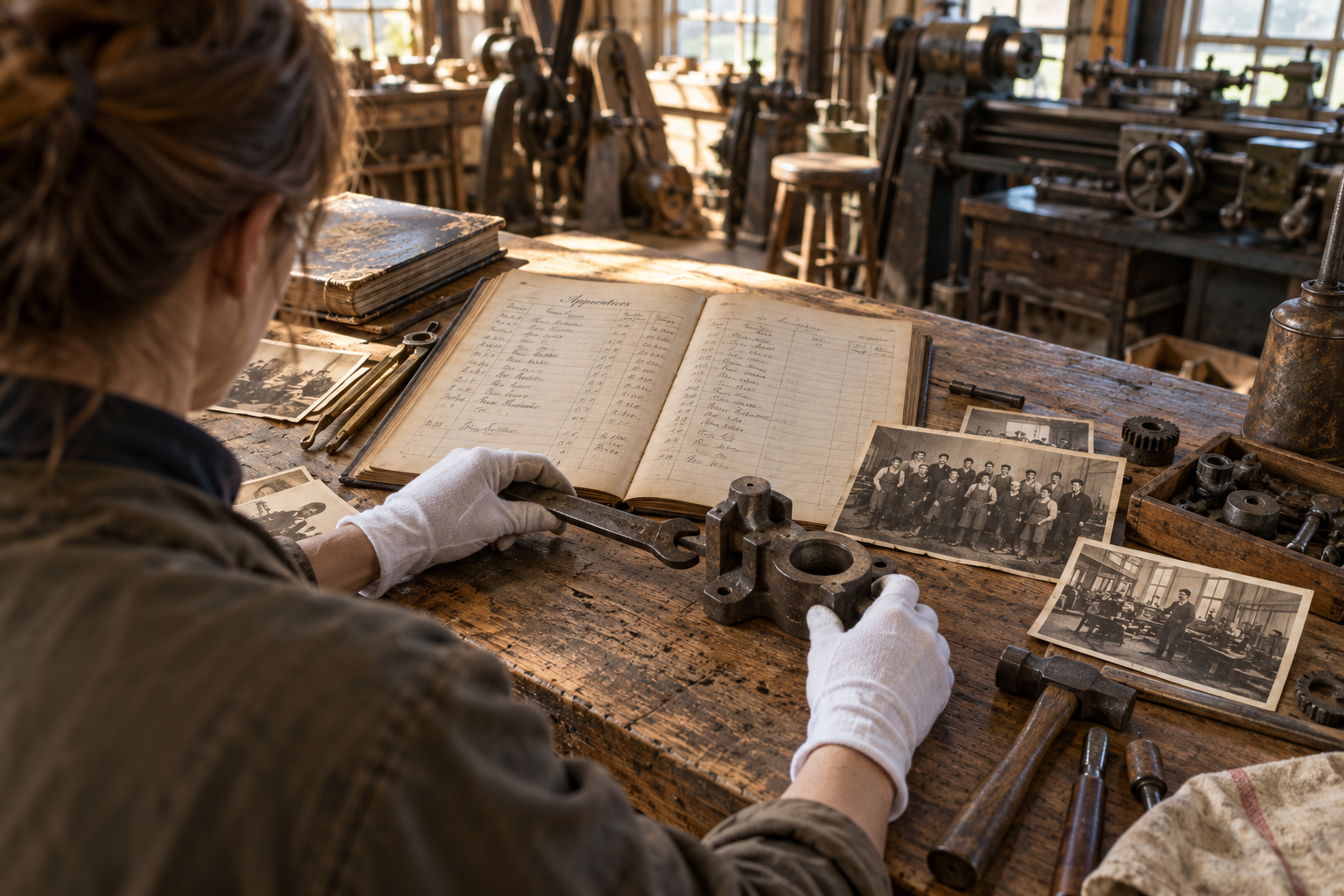
Reconstructing his story requires piecing together workshop logs, trade directories, and oral histories. Surviving artifacts and regional newspapers offer clues about dates, partners, and the scale of operations. Archival fragments can reveal manufacturing techniques and the economic networks he engaged. Careful cross-referencing helps separate myth from documented practice.
- Workshop inventories indicate tool types and materials.
- Apprentice lists trace lines of technical transmission.
- Local press provides context for public projects and disputes.
Combined, these sources allow a textured portrait that acknowledges both achievements and limitations. The research process itself highlights how everyday ingenuity shapes historical narratives.
Conclusion
Studying this provincial industrial pioneer reveals the cumulative power of modest innovation. His life shows how skill, mentorship, and adaptability can transform local economies over time. Preserving such stories enriches our understanding of technological and social history.