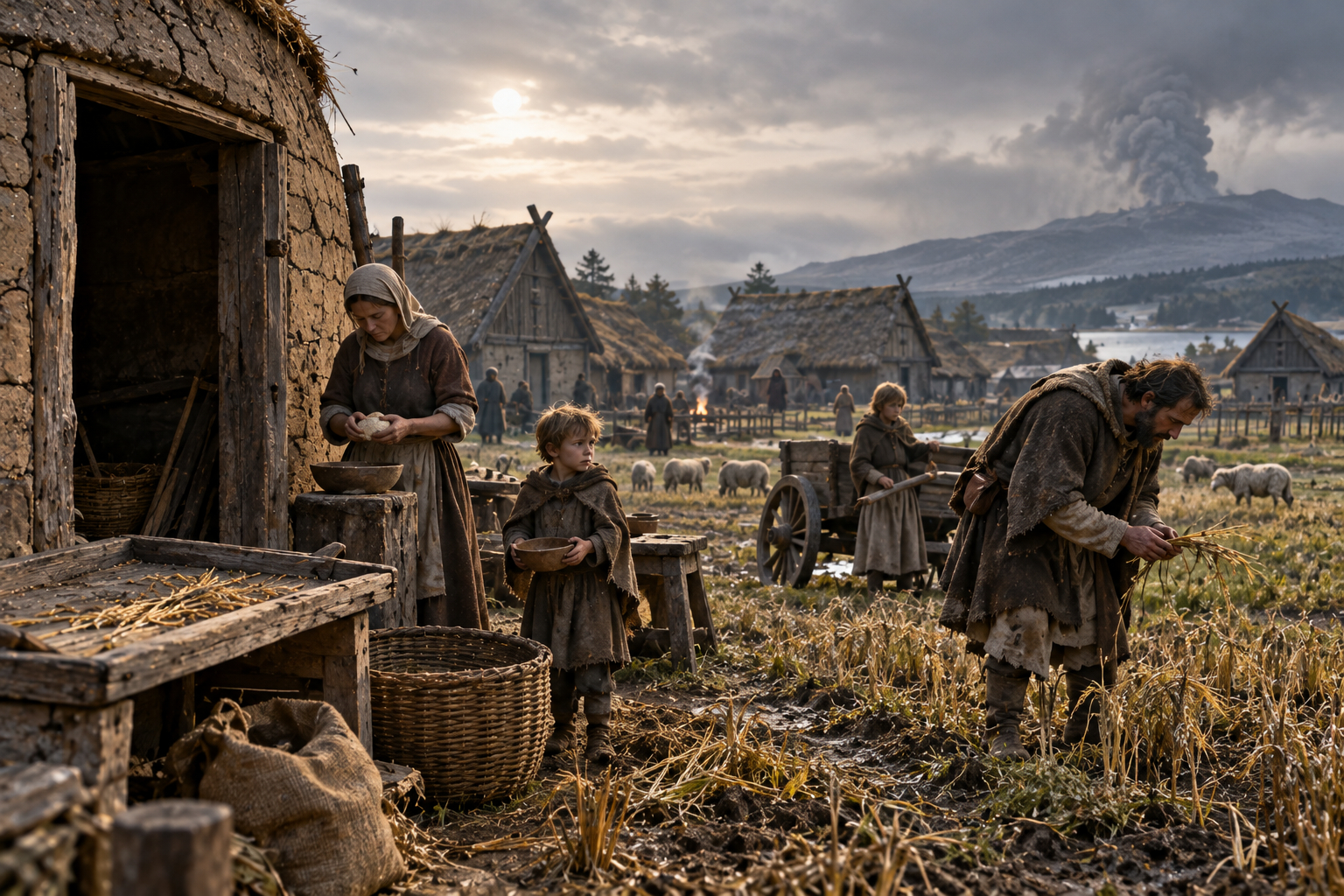
Contemporary chroniclers across Eurasia imagined an ordinary year gone wrong. Byzantine and Chinese records note a sun that no longer warmed, skies described as thin or obscured, and light that was weak and pallid. Those human reports are backed by physical evidence: ice cores from Greenland and Antarctica show large sulfate deposits dated to the mid‑sixth century, and tree rings across the Northern Hemisphere record a sharp slowdown in growth starting in 536. Together they point to a sudden, massive injection of volcanic material into the atmosphere.
How weather turned into hunger
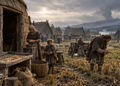
The climatic shift was swift. Summer temperatures fell; crops that depended on a single good season failed or produced poor yields. Chroniclers in parts of Europe and the Middle East mention bread shortages, while annals in Ireland and elsewhere record unusually cold conditions. When staple harvests shrank, food prices rose and local economies frayed. The cooling didn’t look the same everywhere, but the pattern — shorter growing seasons, late frosts, and a string of poor harvests — repeats in records from China to Scandinavia.
Ripples through society: migration, disease, and memory
Short-term climate shocks can cascade. Populations under nutritional stress become more vulnerable to disease; social tensions increase as communities compete for scarce resources. Within a few years of the 536 event the Byzantine Empire faced crop shortages and economic strain, and by 541–542 the Justinian Plague swept through the Mediterranean. Historians debate how directly the eruption and the pandemic are linked, but many agree the environmental shock made societies less resilient. In northern and western Europe, archaeological signs of settlement shifts and changing land use suggest communities adapted by moving, reorganizing farms, or altering diets.
Conclusion
The year 536 reads like an environmental turning point: a major volcanic eruption — the exact vent is still debated — threw enough ash and sulfate into the atmosphere to dim the sun, cool summers, and set off agricultural and social stresses across continents. It’s not a single cause for the upheavals that followed, but a striking reminder of how a brief, dramatic climatic event can be amplified through food systems, health, and human decisions, altering the course of decades.