
Uncover History’s Secrets with Daily Updates!
Daily News Entertainment
  • Home
  • History
  • Biographies
  • Eras
  • Regions
  • Timeline
No Result
View All Result
History Ours
  • Home
  • History
  • Biographies
  • Eras
  • Regions
  • Timeline
No Result
View All Result
History Ours
No Result
View All Result
Home Eras

Building Transparent Eras to Illuminate Past Change

in Eras
Building Transparent Eras to Illuminate Past Change

Defining historical eras helps readers and researchers organize complex change over time.
Eras are analytical tools that highlight patterns, not fixed rules.
Choosing boundaries requires attention to social, economic, and cultural signals.
This piece outlines practical approaches to build eras that inform clear narratives.

Why Periodization Matters

Periodization gives structure to the study of long-term change by grouping related developments. It clarifies causation by focusing attention on continuities and turning points that matter for a chosen question. Scholars use eras to translate vast evidence into manageable narratives without erasing complexity. When well designed, eras support comparison across time and regions. Debates over endpoints often reveal differing research priorities.

Good periodization foregrounds explanatory themes rather than arbitrary dates. It also invites testing and revision as new evidence emerges.

Criteria for Useful Eras

Practical eras are defensible, meaning their boundaries rest on observable transformations such as institutional shifts, demographic patterns, or technological diffusion. They should be coherent at scale, connecting local changes to broader structures. Flexibility helps: overlapping or nested eras can reflect multiple simultaneous processes. Transparency about methods and sources strengthens credibility for both academic and public audiences. Naming conventions should reflect the dominant processes, not shorthand labels.

Explicit criteria make period choices easier to critique and improve. They also help non-specialist readers understand why particular timeframes matter.

Applying Eras in Public Narratives

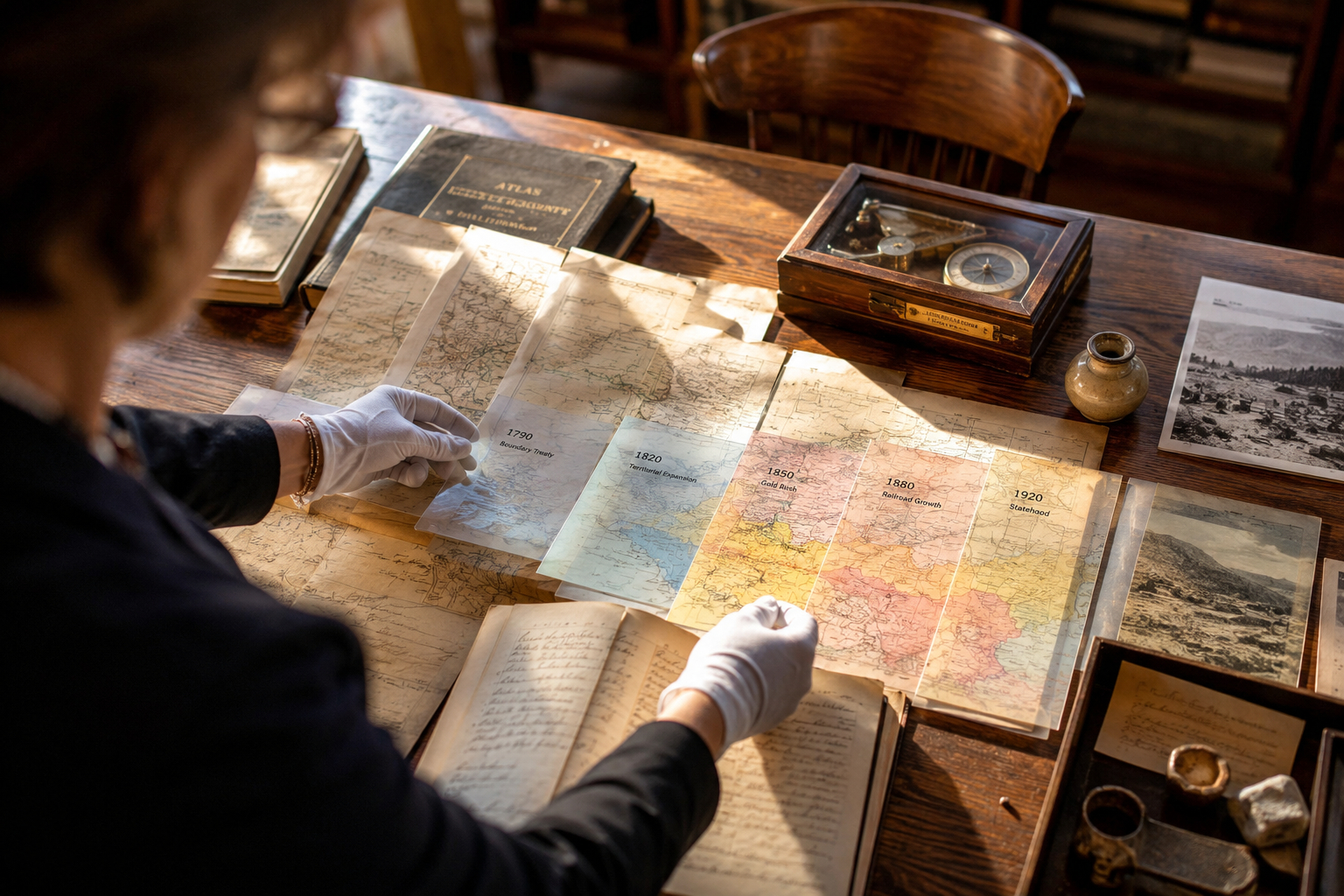
Public history, museums, and education benefit from eras that balance clarity with nuance. Storylines built around eras should highlight multiple voices and avoid implying uniform experience across populations. Visual timelines, case studies, and comparative snapshots make eras tangible for broad audiences. Good communication emphasizes the provisional nature of eras and invites curiosity. Collaborations between scholars and communicators improve public resonance.

  • Timelines and interactive maps
  • Localized case studies
  • Comparative snapshots and timelines

Practical tools help audiences grasp complexity without oversimplifying. Engaging presentation encourages further exploration beyond the labeled period.

Methodological Challenges and Revisions

Establishing eras involves choices that can privilege certain sources or narratives, potentially marginalizing others. Quantitative datasets and qualitative archives may point to different turning points, producing contested boundaries. Digital tools and big data offer new ways to detect patterns, but they also require careful interpretation to avoid overgeneralizing. Ongoing dialogue and peer review help reconcile differing perspectives and update periods as scholarship advances.

Revisions are a healthy part of periodization practice and reflect scholarly progress. Keeping audiences informed about changes preserves trust and educational value.

Conclusion

Well-crafted eras are instruments for explanation, not endpoints.
They perform best when anchored in evidence and clear questions.
Approachable, revisable periodization helps readers connect past patterns to present concerns.


Previous Post

Portrait of an Unheralded Social Reformer and Educator

Next Post

How to Define Useful Periods in Historical Study

Related Posts

Everyday Experience in Medieval Market Towns
Eras

Everyday Experience in Medieval Market Towns

August 28, 2026
Daily Life and Change During the Industrial Era
Eras

Daily Life and Change During the Industrial Era

August 28, 2026
How to Define Useful Periods in Historical Study
Eras

How to Define Useful Periods in Historical Study

August 28, 2026
Making Time Explain: Strategies for Defining Historical Eras
Eras

Making Time Explain: Strategies for Defining Historical Eras

August 17, 2026
Next Post
How to Define Useful Periods in Historical Study

How to Define Useful Periods in Historical Study

Search..

No Result
View All Result

Recent Articles

How Oysters Shaped the Chesapeake’s Past and Present

How Oysters Shaped the Chesapeake’s Past and Present

August 28, 2026
Corsica’s Rocky Turn: Genoese Towers, Paoli, and an Island’s Identity

Corsica’s Rocky Turn: Genoese Towers, Paoli, and an Island’s Identity

August 28, 2026
Mapping Cultural Layers Across Distinct Regional Landscapes

Mapping Cultural Layers Across Distinct Regional Landscapes

August 28, 2026
Everyday Experience in Medieval Market Towns

Everyday Experience in Medieval Market Towns

August 28, 2026
Daily Life and Change During the Industrial Era

Daily Life and Change During the Industrial Era

August 28, 2026

Subscribe Us

By clicking submit, I authorize History Ours and its affiliated companies to: (1) use, sell, and share my information for marketing purposes, including cross-context behavioral advertising, as described in our Terms of Service and Privacy Policy, (2) supplement the information that I provide with additional information lawfully obtained from other sources, like demographic data from public sources, interests inferred from web page views, or other data relevant to what might interest me, like past purchase or location data, (3) contact me or enable others to contact me by email with offers for goods and services from any category at the email address provided, and (4) retain my information while I am engaging with marketing messages that I receive and for a reasonable amount of time thereafter. I understand I can opt out at any time through an email that I receive, or by clicking here

Subscribe To Our Newsletter

By clicking submit, I authorize History Ours and its affiliated companies to: (1) use, sell, and share my information for marketing purposes, including cross-context behavioral advertising, as described in our Terms of Service and Privacy Policy, (2) supplement the information that I provide with additional information lawfully obtained from other sources, like demographic data from public sources, interests inferred from web page views, or other data relevant to what might interest me, like past purchase or location data, (3) contact me or enable others to contact me by email with offers for goods and services from any category at the email address provided, and (4) retain my information while I am engaging with marketing messages that I receive and for a reasonable amount of time thereafter. I understand I can opt out at any time through an email that I receive, or by clicking here.

© 2026 History Ours | All Rights Reserved

  • Contact Us
  • Privacy Policy
  • Terms of Service
  • Unsubscribe
  • Privacy Choices
  • Contact Us
  • Privacy Policy
  • Terms of Service
  • Unsubscribe
  • Privacy Choices

© 2026 History Ours | All Rights Reserved

No Result
View All Result
  • Home
  • History
  • Biographies
  • Eras
  • Regions
  • Timeline

© 2026 History Ours | All Rights Reserved

Skip to content
Open toolbar Accessibility Tools

Accessibility Tools

  • Increase TextIncrease Text
  • Decrease TextDecrease Text
  • GrayscaleGrayscale
  • High ContrastHigh Contrast
  • Negative ContrastNegative Contrast
  • Light BackgroundLight Background
  • Links UnderlineLinks Underline
  • Readable FontReadable Font
  • Reset Reset