
Historical eras are tools historians use to group events, trends, and experiences into intelligible units. Many eras overlap, run at different scales, or apply unevenly across regions and social groups. Recognizing those overlaps helps avoid simplistic period labels that obscure important continuities. This article outlines practical ways to define, compare, and communicate layered eras for clearer historical narratives.
Defining Overlap and Scale
Overlap occurs when political, cultural, economic, or environmental changes do not align neatly in time; scales refer to the geographic or social reach of those changes. An industrial transformation might begin in urban centers decades before rural areas see similar shifts, creating concurrent yet distinct eras. Treating eras as stacked layers rather than discrete blocks allows historians to map how movements intersect and diverge. Emphasizing scale also foregrounds whose timelines matter in any given analysis.
Keeping overlap and scale explicit makes periodization more transparent and analytically useful. It encourages readers to see eras as relational rather than absolute, and to ask which communities or sectors a label actually describes.
Methods for Selecting Boundaries
Choose boundaries that best illuminate causal relationships and lived experience rather than forcing neat calendar markers. Use multiple criteria—technological adoption, legal reforms, cultural production, and demographic shifts—to triangulate turning points. Quantitative indicators can help, but qualitative evidence reveals how people perceived and experienced change. Flexibility in boundary choice allows scholars to compare alternative periodizations and justify their analytical aims.
Documenting the reasons for chosen cutoffs and acknowledging competing frameworks strengthens the credibility of any era-based argument. Readers benefit when methods are clear and replicable.
Communicating Layered Eras to Audiences
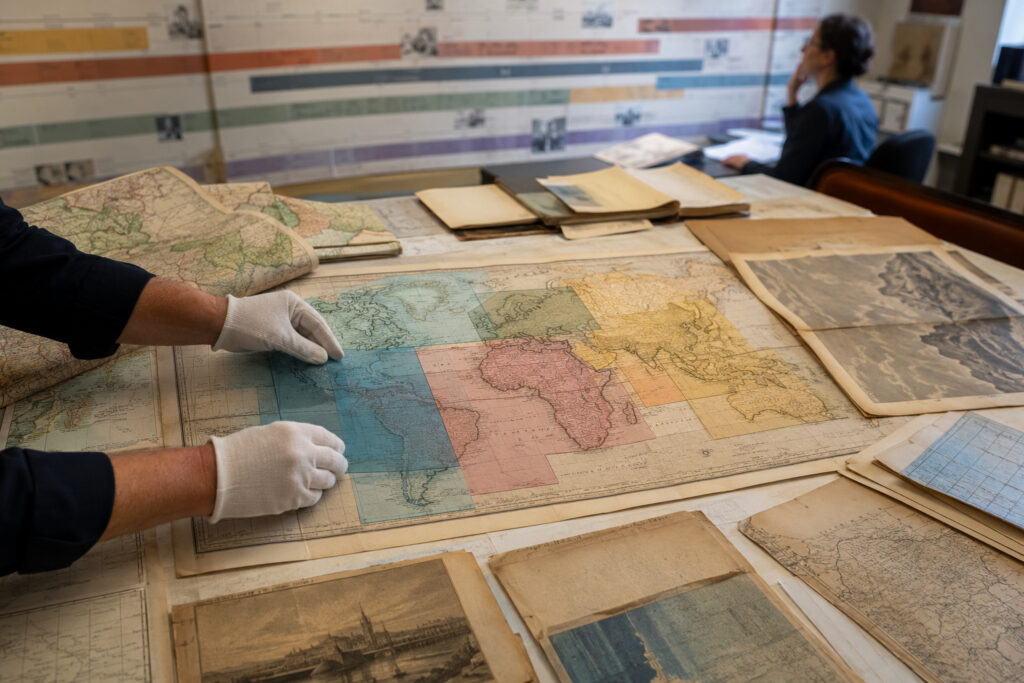
When explaining layered eras to students or the public, visual tools and narratives work well: timelines that show overlapping bands, maps indicating regional differences, and case studies centered on particular communities. Language matters; avoid implying a single universal timeline when multiple ones exist. Emphasize examples that illustrate how different scales produce different historical meanings and outcomes. Clear communication reduces misinterpretation and highlights complexity without overwhelming audiences.
Engage users with comparative questions and tangible examples to make layered periodizations accessible. Good outreach links abstract frameworks to everyday historical experience.
Conclusion
Treat historical eras as overlapping, scale-sensitive frameworks that reveal rather than conceal complexity.
Adopt explicit methods for choosing boundaries and be transparent about analytical goals.
Communicate layered timelines through visuals and grounded examples to make periodization meaningful.