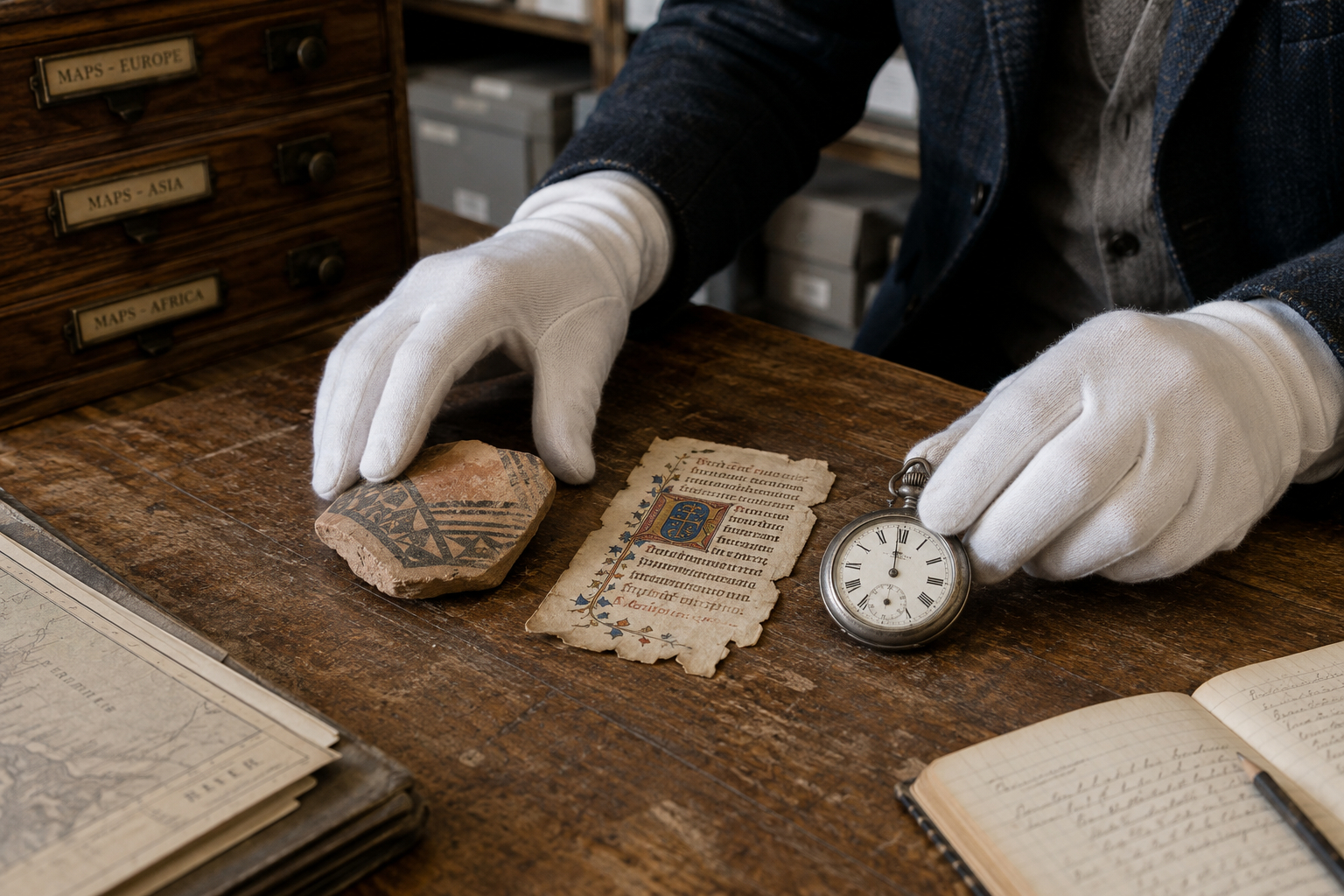
Historians often organize the past into distinct eras to make sense of change and continuity across time.
But many developments run in parallel, producing overlapping timelines that matter for different groups and themes.
Seeing eras as concurrent frameworks helps reveal how economic, cultural, and environmental histories intersect.
This approach encourages nuance without sacrificing clarity in broad narratives.
Defining Parallel Eras
Parallel eras are sets of periodizations that operate simultaneously across different spheres of human activity.
A political revolution may define one era while artistic movements and ecological transformations mark others at the same time.
Recognizing these layered timeframes prevents misleading teleologies that treat a single storyline as universal.
It also foregrounds the multiplicity of experiences across regions, classes, and institutions.
Establishing parallel eras begins with asking which phenomena deserve period labels and why.
Criteria can include scale, duration, causal coherence, and the perspectives of the people affected.
Methods for Reading Coexisting Timelines
Analytic tools for handling parallel eras combine comparative chronology with thematic depth and contextual sensitivity.
Researchers map timelines visually and narratively, noting points of overlap, divergence, and mutual influence.
They also prioritize sources that illuminate local rhythms and material conditions often missed by single-track periodization.
- Cross-referencing archival series to align political events with social practices.
- Using environmental proxies to track long-term ecological eras alongside short-term crises.
- Applying microhistorical case studies to reveal lived experience within broader timelines.
These methods help historians build richer accounts that respect complexity while remaining communicable to readers.
They also support interdisciplinary conversations by translating terms and measures across fields.
Implications for Teaching and Public History
Adopting parallel eras reshapes curricula and exhibits by presenting multiple threads rather than a single, linear march of progress.
Educators can design modules that juxtapose technological change with cultural practices and ecological data to show simultaneity.
Museums and digital platforms can use layered timelines and interactive tools to let audiences explore coexisting narratives.
This approach encourages critical thinking and empathy, allowing learners to see how different communities experienced the same dates differently.
It also equips the public to interpret current events with an appreciation for overlapping historical forces.
Conclusion
Parallel eras invite a more textured vision of the past that balances coherence with plurality.
By tracing simultaneous timelines historians can better account for uneven change and diverse experiences.
This perspective enriches scholarship, teaching, and public understanding of history.