Regions are built as much by daily habits as by formal boundaries.
Paths trodden by people, goods, and stories tie places into enduring patterns.
This piece traces how mundane practices accumulate into regional memory over generations.
It shows how material traces, institutions, and mobility create durable senses of place.
It emphasizes ordinary actions as sources of historical continuity and change.
Everyday Practices as Regional Glue
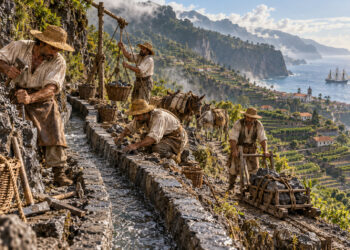
Everyday routines—markets, commutes, and seasonal work—stitch together disparate settlements into recognizable regions. These practices create repeated interactions that produce shared expectations and informal rules about movement and exchange. Over time, the repetition of small acts generates reputations for places and habitual routes that newcomers learn. Such glue is often invisible in official records but visible in oral histories and the built environment. Listening to local stories often reveals the mechanisms behind those routines.
Recognizing routines helps historians read continuity where maps show change. It shifts attention from formal institutions to lived experience. Fieldwork that records everyday speech and practice is crucial.
Material Traces and Mobility
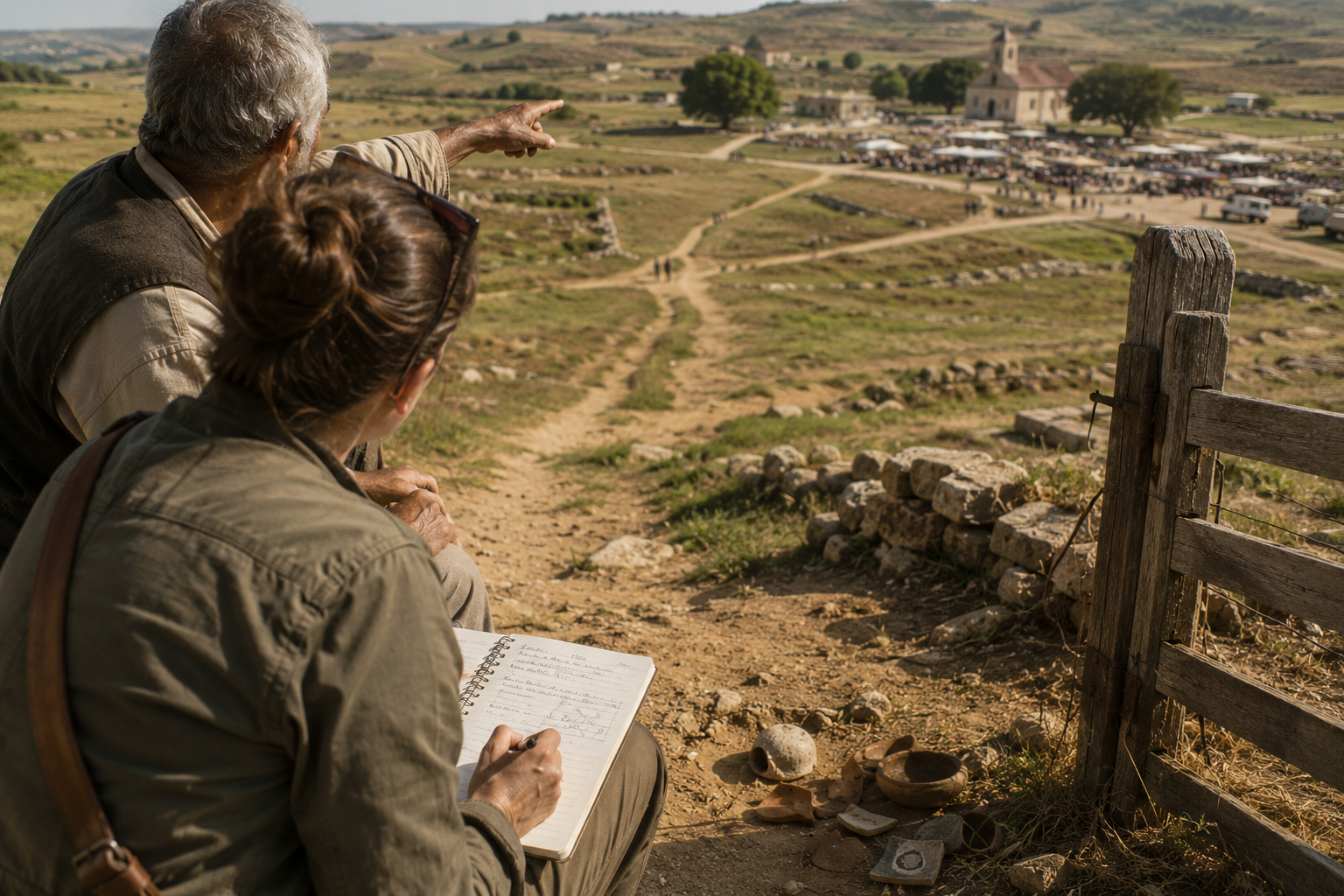
Objects left in fields, trade goods, road surfaces, and architectural styles reveal networks of movement and contact. Material traces record asymmetries of wealth and power while also preserving evidence of everyday connectivity. Examining pottery shards, tool marks, and shop ledgers can show how goods and techniques flowed across landscapes. Mobility patterns—seasonal migration, market days, pilgrimage routes—leave layered material footprints that define regional circulation. These material records often survive when written sources do not, offering alternative chronologies.
Material culture thus acts as a durable record of daily life and exchange. It helps reconstruct a region’s economic and social geography without relying only on official borders. Archaeological and archival collaboration strengthens regional reconstructions.
Institutions, Rituals, and Collective Memory
Small institutions—local courts, guilds, schools, and meeting houses—mediate interactions and embed norms across generations. Rituals tied to harvests, fairs, and commemorations reinforce communal calendars and create shared narratives about place. These mediated practices are where memory becomes institutionalized and transmitted to new cohorts. Together, rituals and institutions create frameworks that give coherence to otherwise scattered practices. Such institutions shape both memory and everyday governance in ways that outlast individuals.
Studying these structures clarifies how collective memory is produced and maintained. They are as important to regional formation as trade routes or linguistic patterns. Comparative studies can show which institutional forms best sustain regional cohesion.
Conclusion
Understanding regions means tracing small, repeated actions across time.
Attention to routines, objects, and institutions reveals how place identities accumulate.
That perspective invites more granular research and richer narratives of regional formation.