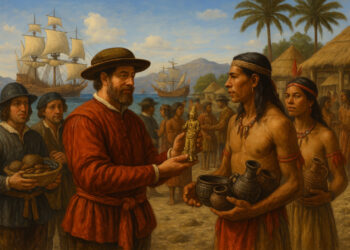

The Era of Exploration marked one of the most transformative chapters in global history, reshaping continents, cultures, and economies. During this period, nations expanded their horizons beyond familiar borders, driven by curiosity, ambition, and the pursuit of new opportunities. These explorations set the foundations for future trade, scientific discovery, and political influence, ultimately shaping the modern world in profound and lasting ways.
A World Expands Through Curiosity and Ambition
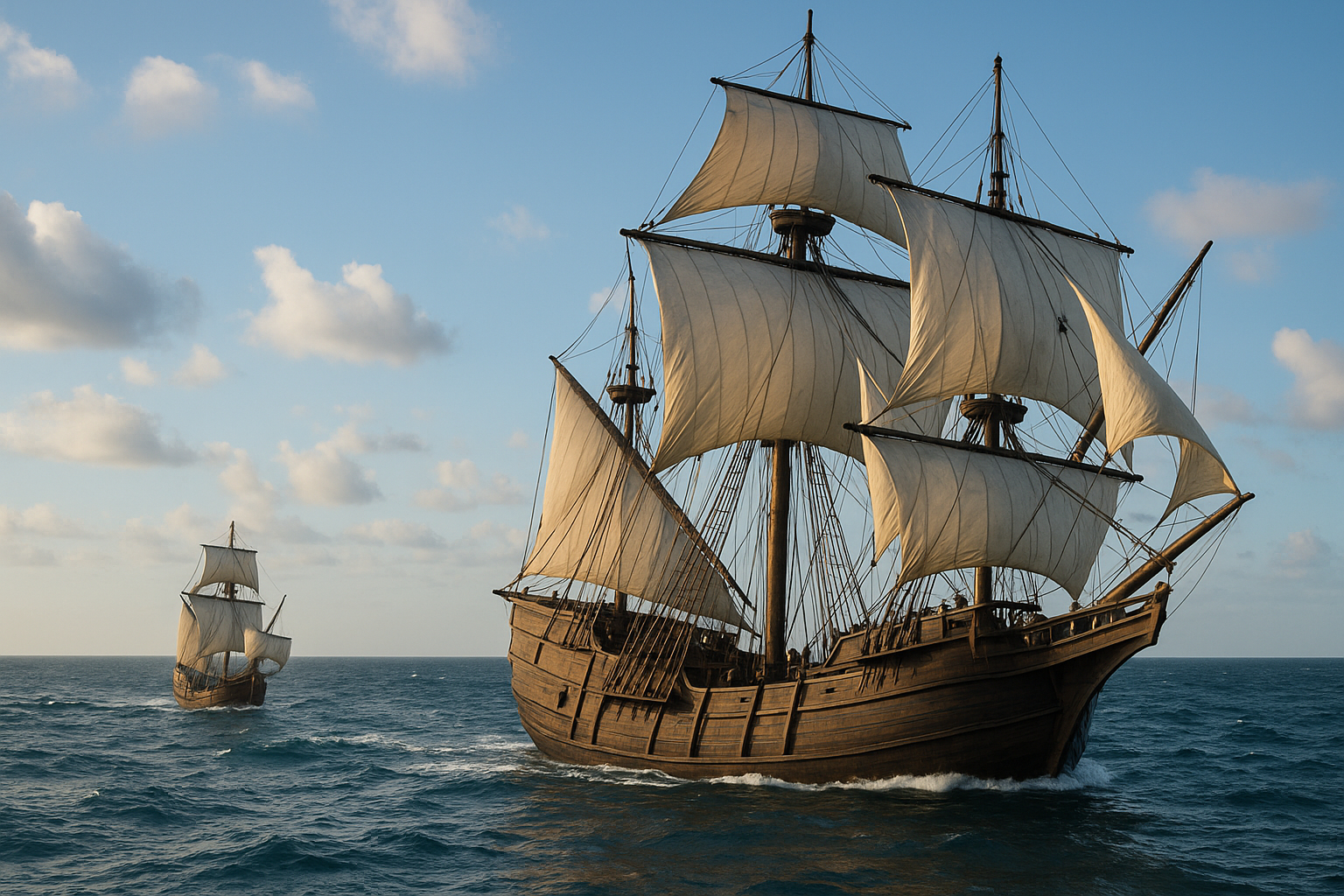
The Age of Exploration began with navigators seeking faster routes to distant lands. Improvements in shipbuilding, navigation tools, and mapmaking encouraged explorers to venture farther across oceans. These journeys unlocked new geographic knowledge and sparked connections between continents that had previously developed in isolation. Curiosity and ambition combined to create a wave of discovery that changed how civilizations viewed the world.
The Rise of Global Trade Networks
As explorers reached new territories, nations began establishing trade routes that connected distant markets. Spices, precious metals, textiles, and other goods flowed across continents, transforming local economies. These networks created unprecedented cultural exchange, introducing new foods, technologies, and ideas to societies worldwide. The global marketplace we know today has deep roots in these early trading relationships.
Empire-Building and Cultural Impact
Alongside exploration came the rapid expansion of empires seeking wealth, resources, and influence. European powers established colonies across Africa, Asia, and the Americas, reshaping political boundaries and cultural identities. While this expansion brought technological progress and global exchange, it also introduced conflict, displacement, and lasting social changes. The complex legacy of empire-building continues to influence cultural and political landscapes around the world.
Innovation Driven by Discovery
Exploration accelerated advancements in science, technology, and navigation. New knowledge about geography, climate, and natural resources inspired further innovation. Improved instruments such as the compass and astrolabe empowered explorers to travel greater distances with more accuracy. These innovations laid the foundation for modern navigation, scientific research, and global transportation systems.
Conclusion
The Era of Exploration and Empire-Building was a defining moment that reshaped the world through discovery, trade, and cultural exchange. While its legacy includes both achievements and challenges, its impact on global connections remains undeniable. The spirit of exploration from this era continues to inspire curiosity, innovation, and a deeper understanding of the world.